Antioxidant Skincare Benefits, Ingredients & Usage Tips

Step into any skincare aisle in the US, and it’s hard to miss the word “antioxidants.” Serums, creams, masks—even sunscreens boast about them. Honestly, it’s not just clever marketing. There’s actual science behind why antioxidant skincare is everywhere these days.
Still, most people grab these products without really knowing how they work or how to get the most out of them. And that’s a shame, because when you use antioxidants right, they take your skin health up a notch—blocking environmental stress, dialing back visible aging, and helping your skin look fresher. So let’s break it down in straightforward terms.
Antioxidant Skincare And Why Your Skin Needs It
Your skin deals with way more stress than you realize. Pollution, sunlight, blue light from all those screens, and even lousy sleep—these pile up and cause oxidative stress.
What oxidative stress does to your skin
Think of it like tiny bullies—called free radicals—created by things like sun exposure and bad air. They mess with your healthy skin cells, and over time, you end up with:
- Fine lines
- Wrinkles
- Uneven tone
- Dullness
- Sagging skin
It doesn’t hit overnight. It creeps up slowly, until one day your skin just looks sort of tired.
How antioxidant skincare helps
They’re like the skin’s own little defenders, neutralizing those free radicals before they can cause trouble. They’ll:
- Shield your skin from the everyday stuff that wears it out
- Support collagen (the stuff that keeps your skin bouncy)
- Smooth out texture and brighten dull spots
That’s why dermatologists tell people to use antioxidants early—long before wrinkles and dark spots show up.
Also Read: Waterproof Foundation Guide: Benefits, Types & How to Use
Key Antioxidant Ingredients You Should Know
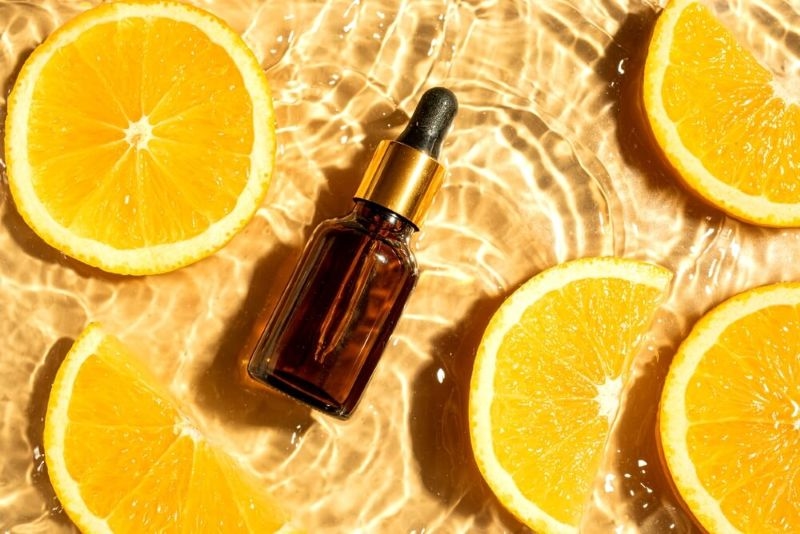
Not all antioxidants work the same way. Some are stronger, some fit certain skin types, and some work best together. Here are the superstar ingredients:
Vitamin C and its role in vitamin C skincare
Probably the most famous antioxidant—and for good reason. Vitamin C brightens your skin, fades dark spots, and helps make more collagen. If you’ve ever put on a vitamin C serum and noticed a healthy glow, you’re not imagining things.
Basically, it:
- Fades hyperpigmentation
- Boosts radiance
- Protects against UV damage (but still, don’t skip sunscreen)
The right vitamin C serum can show visible results in just a few weeks.
Vitamin E and ferulic acid
These two usually team up with vitamin C. Vitamin E moisturizes and strengthens your skin’s shield, while ferulic acid stabilizes other antioxidants so they work better. When you see all three in one product, that’s a good sign.
Niacinamide and green tea extract
Not every antioxidant is about brightening. Niacinamide calms redness and smooths out texture. Green tea extract soothes and protects, especially for sensitive or breakout-prone skin.
How To Use Antioxidant Serum The Right Way
Shopping for the right serum is just step one. Using it correctly makes all the difference—honestly, this is where people often stumble.
When to apply antioxidant serum
Timing matters. Most dermatologists say to put your antioxidant serum on in the morning, since you’re about to face the worst environmental stress.
A good routine:
- Cleanse
- Apply antioxidant serum
- Moisturize
- Finish with sunscreen
Simple, but super effective for daily protection.
How much product is enough
Don’t overdo it. A few drops will cover your whole face. More isn’t better—it can actually irritate your skin. Start small, let your skin get used to it.
Common mistakes to avoid
The best products won’t work if you use them incorrectly. Watch out for:
- Mixing too many strong ingredients at once
- Skipping sunscreen after vitamin C
- Using expired products (yep, it happens a lot more than you’d think)
- Consistency beats intensity every time.
Don't Miss: Hydrating vs Moisturizing: Key Skincare Differences
Antioxidants and Anti-Aging Skincare Benefits
Aging is natural, period. But you do have a say in how your skin ages. That’s where antioxidants really earn their keep.
How antioxidants slow visible aging
They won’t freeze time, but they help slow down aging; you can see:
- Boosting collagen
- Softening fine lines
- Protecting against sun damage
- Making skin feel firmer
It’s basically maintenance. You’re not reversing the clock, but you’re easing the wear-and-tear.
Long-term skin health benefits
People focus on looks, but antioxidants also help your skin stay strong and healthy underneath:
- Builds up your skin barrier
- Reduces inflammation
- Evens out the tone
It’s quiet at first, but after a few months, the changes get obvious.
Choosing The Best Antioxidant Products For Your Skin
Walk into any US beauty store, and the choices can feel overwhelming. So many labels. So many claims. Let’s simplify it.
What to look for in a product
A good antioxidant product should have:
- Stable formulations (especially for vitamin C)
- Airtight or dark packaging to prevent oxidation
- A clear skincare ingredients list
These details matter more than fancy branding.
Matching products to your skin type
Different skin types respond differently.
Here’s a quick guide:
- Oily skin: lightweight serums with niacinamide
- Dry skin: creams with vitamin E and hydrating ingredients
- Sensitive skin: gentler antioxidants like green tea extract
And here’s the interesting part. You don’t need a complicated routine. One well-formulated antioxidant serum can do a lot.
Are expensive products always better
Not necessarily. Some drugstore brands in the US offer excellent formulations at lower prices. What matters is the ingredient quality and stability, not just the label. So yes, you can find effective options without overspending.
Suggested Reading: Anti-Aging Skincare Routine Women Can Trust in 2026
Conclusion
Antioxidant skincare isn’t just a passing trend. It’s a practical, science-backed way to keep your skin fresh and healthy. Whether you want to fight dullness or tackle aging, antioxidants deliver steady results.
Stick to a simple routine, grab a solid antioxidant serum, and be patient. You don’t need a shelf full of products—just a few that actually suit your skin. When you find the right balance, your skin shows it.
FAQs
Can antioxidant skincare replace sunscreen?
No, it can’t. Antioxidants help reduce damage from environmental stress, but they don’t block UV rays. Sunscreen is still essential every day, even if you’re using vitamin C skincare products.
How long does it take to see results from antioxidant serum?
Most people start noticing subtle changes within 3 to 4 weeks. Brighter skin and improved texture appear first, while deeper benefits like reduced fine lines take a bit longer.
Can I use antioxidant products with retinol?
Yes, but timing matters. Antioxidants like vitamin C are usually used in the morning, while retinol is better suited for nighttime. This separation helps avoid irritation and improves effectiveness.
Are natural antioxidants better than synthetic ones?
Not always. Both natural and lab-formulated antioxidants can be effective. What matters more is how stable the ingredient is and how well it’s formulated in the product.
This content was created by AI