Why is Hypochlorous Acid Trending in Skin Care Products?

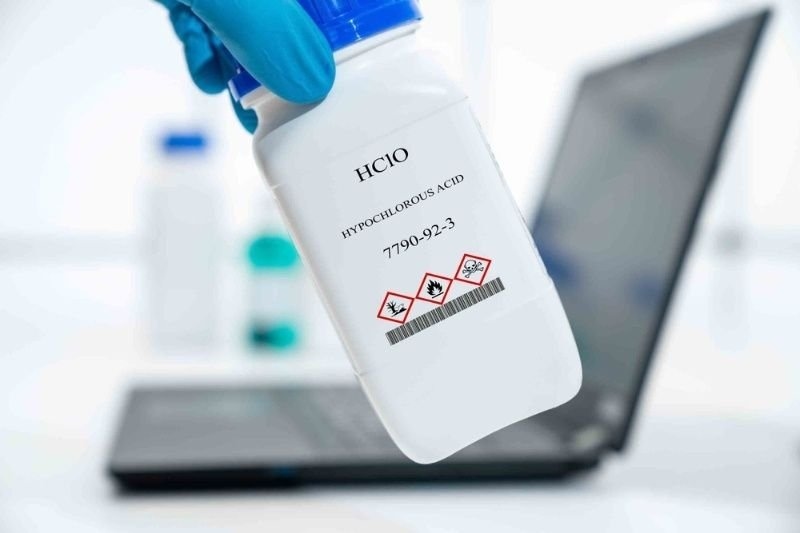
Key Takeaway
- Identify if you’re primarily having problems with breakouts, redness, or hypersensitivity before deciding if hypochlorous acid’s for you.
- Opt for a product specifically developed as the perfect mist or cleanser.
- Remember to spray (or dab) it on bare skin for ultimate skin benefit.
- Avoid formulas that unnecessarily add fragrances or alcohol that could have the opposite, unpleasant effect on your face’s integrity.
- Start with once or twice a day and observe over two weeks to adjust for whether your skin tolerates, is ambivalent toward, or shows benefits to it.
If your skin suddenly starts freaking out—itchy, red, or breaking out over products that used to work just fine—you’re definitely not alone. Lately, hypochlorous acid keeps popping up in skin care conversations. People like it because it’s gentle, works well, and your body actually produces it on its own.
Here’s the science: according to experts at places like the Cleveland Clinic and the U.S. National Library of Medicine, hypochlorous acid is a molecule your white blood cells make to fight bacteria and help heal cuts.
That’s why dermatologists are talking about it more and more, especially for anyone struggling with sensitive or acne-prone skin. Here's the whole explanation about why hypochlorous acid exists, what hypochlorous acid in skin care is, why it actually has this impressive purpose on skin, which kinds work best, and which you should avoid.
What is Hypochlorous Acid in Skin Care?
Despite the science-y name, it’s just a weak acid made when you run electricity through saltwater—a process called electrolysis. Don’t confuse it with bleach. Yes, they sound similar, but they’re totally different.
In skin care, the stuff is super dilute. Its job is to cut down on bacteria and other unwanted guests on your skin—without causing chaos if your skin is easily irritated. Doctors often recommend it:
- For acne
- Sensitive Skin types
- People with rosacea
- After certain skin treatments
- For little cuts and minor flare-ups
Since your body already makes this acid to protect you, a lot of folks handle it better than harsh cleansers or old-school antibacterials.
Hypochlorous Acid Uses for Skin
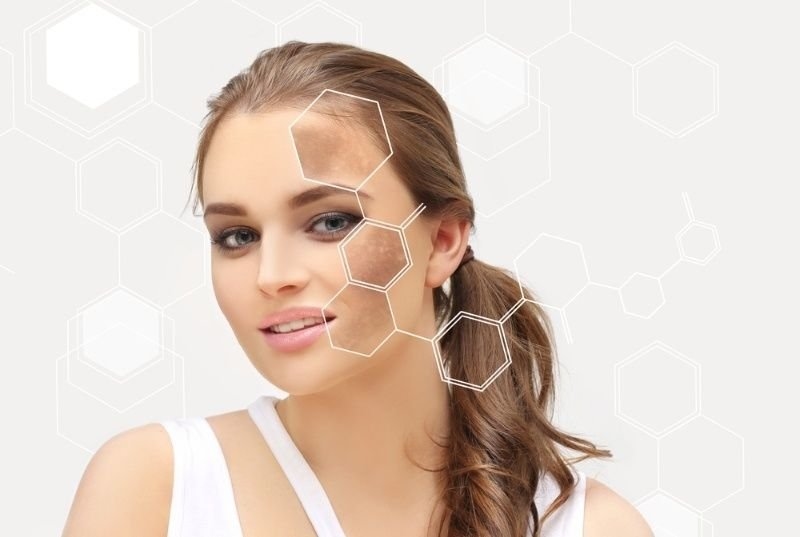
Well, hypochlorous acid is kind of a multitasker:
For acne:
It helps lower acne-causing bacteria but isn’t a cure-all. If you use it as part of a routine, it keeps breakouts in check.
For redness and irritation:
This ingredient in products works beautifully for people with sensitive skin and previous treatments. People notice it calms flare-ups after working out, shaving, or long mask-wearing days.
For sweaty situations:
A quick spritz post-gym helps until you can actually wash your face. It also helps in sweaty conditions.
After procedures:
Clinics often use it instead of harsh sanitizers post-peel or microneedling because it’s less irritating.
Try This: Hyaluronic Acid Skincare Guide: Benefits, Uses & Tips
How to Use Hypochlorous Acid Correctly?
Here’s an easy plan:
1. Clean your face with something gentle, dry off, and make sure your skin is fresh for the acid.
2. Apply. Spray a thin layer—once or twice daily is enough to start.
3. Let it air dry for maybe a minute before layering on serums or moisturizer. That way, you don’t water it down.
4. Follow with a good moisturizer, since hypochlorous acid won’t replace the hydration your skin needs.
Safety of Hypochlorous Acid
Now, about safety—this is where hypochlorous acid really shines. Studies show products made for skin are safe, non-toxic, and don’t trigger irritation for most people.
Here’s why they’re considered gentle:
- Your immune system already produces it.
- It’s used in super low concentrations, usually 0.01% or less.
- No common irritants like alcohol or perfumes.
Some people might feel slight dryness or tightness or extra sensitivity if they’re using several strong products at once. If you have a more serious skin condition, it’s smart to check with your dermatologist first.
Who Should Try Hypochlorous Acid?
It’s a great option if you:
- Break out often
- Have sensitive/reactive skin
- Wear makeup or masks most of the day
- Work out a lot
- Want a gentle but effective way to freshen up your skin
But don’t expect miracles. Hypochlorous acid won’t replace prescription acne meds, erase deep scars, beat fungal infections (unless it’s made for that), or magically rewind wrinkles. Think of it as a supporting player—not the star of your whole routine.
Essential Reads: Best Collagen Supplement For Sagging Skin In 2026
Bottom line
Hypochlorous acid has gained popularity for good reasons—it cleans, fights bacteria, and soothes without making things worse. Once you know what it really does, how and when to use it, and how safe it is for daily routines, you can decide if it fits with your goals. It’s especially handy if you have sensitive or breakout-prone skin, since harsh treatments usually just make things worse.
Consistency matters more than piling on products. If you stick with simple routines, supportive ingredients like hypochlorous acid can make a real difference. Ready to simplify your skin care? Opt for gentle, science-backed products. Go slow with new stuff and focus on forming habits—because small steps add up to long-term results.
FAQs
Can Hypochlorous Acid Be Used Around the Eyes?
Most sprays are gentle enough for the eye area, like for lash care or irritation. Just don’t spray it right in your eyes, and read the instructions. If you have an eye condition, check with your eye doctor first.
Is Hypochlorous Acid Suitable for Teenagers?
Absolutely. Teens with mild acne, oily skin, or irritation from sports can all benefit. It’s milder than a lot of typical acne treatments and works best when paired with basics like a gentle cleanser, moisturizer, and sunscreen.
Can You Use Hypochlorous Acid With Vitamin C?
Usually, yes. Apply them at different times if you have sensitive skin—maybe use hypochlorous acid after cleansing in the morning, then add vitamin C once your skin dries. This helps avoid irritation.
Does Hypochlorous Acid Help With Body Acne?
Yes, it can help cut down surface bacteria and irritation on common breakout spots like your back or shoulders—especially if you can’t shower right after exercise. But if your body acne is really stubborn, you’ll still want to see a dermatologist for a full plan.
How Should Hypochlorous Acid Products Be Stored?
Keep it cool and dry, out of direct sun or heat. Seal the bottle tight and check expiration dates—freshness keeps it working right. That’s it. With a little know-how and some patience, hypochlorous acid might just be the gentle upgrade your skin needs.
This content was created by AI