Which is Better: Retinol vs Vitamin C for Your Skin?

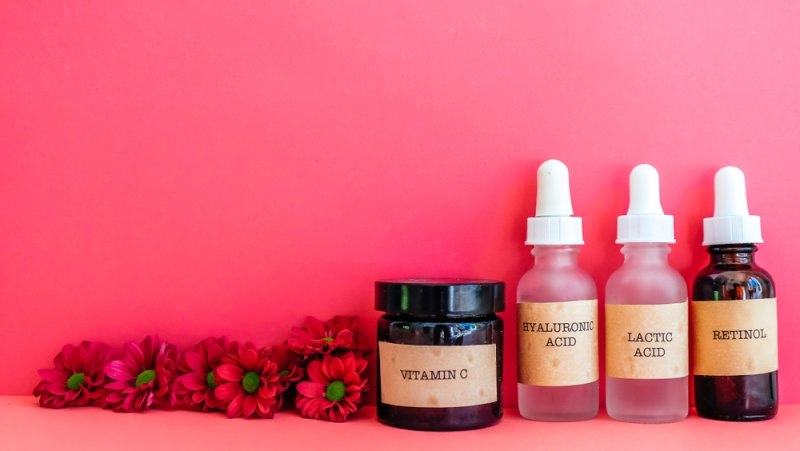
Quick Takeaways
- Vitamin C shields your skin from daily environmental damage while fading stubborn dark spots during your morning routine.
- Retinol accelerates cellular turnover at night to smooth fine lines, boost collagen production, and improve overall texture.
- Using both ingredients strategically maximizes anti-aging benefits without causing unnecessary skin irritation or redness.
- Applying vitamin C in the morning creates a protective barrier against harmful ultraviolet rays and urban pollution.
- Layering these potent actives at separate times of day ensures optimal skin barrier health and radiant results.
Standing in the skincare aisle can feel overwhelming with dozens of glowing bottles promising eternal youth. Choosing between retinol vs vitamin C leaves many beauty enthusiasts feeling puzzled about which active serum truly deserves a spot in their daily regimen. You deserve a clear, stress-free path to achieving healthy, radiant skin without wasting money on formulas that clash.
According to clinical research from the American Academy of Dermatology, topically applied antioxidants like vitamin C reduce free radical damage by up to 50%. Meanwhile, dermatological studies show that consistent retinol use increases epidermal thickness and collagen production within twelve weeks of regular application. Knowing how these powerhouse ingredients work allows you to address specific skin concerns with complete confidence.
In this comprehensive guide, we will explore which is better: retinol or vitamin C, break down retinol vs. vitamin C benefits, compare retinol vs. vitamin C for face care, and explain how to target retinol vs. vitamin C for dark spots, retinol vs. vitamin C for wrinkles, retinol vs. vitamin C for acne, and retinol vs. vitamin C for anti-aging. We will also answer essential questions like can I use retinol and vitamin C at the same time?" and "Should I use retinol or vitamin C first?" to help you decide whether you need retinol or vitamin C for your skin type.
What is Retinol, and How Does it Work?
Retinol is a pure derivative of vitamin A that works deep within the dermal layers. It penetrates beneath the surface layer to encourage cellular repair and promote healthier skin structure.
Dermatologists consider retinol the gold standard for renewing skin texture. It boosts protein synthesis, supports natural elasticity, and keeps pores clear from deep-seated impurities.
How Does Retinol Transform Skin Over Time?
Retinol speeds up cell turnover, shedding old dead cells to reveal fresh skin beneath. This constant renewal smooths rough patches and reduces visible signs of aging.
With consistent long-term application, retinol stimulates collagen production deep inside the dermis. This plumps fine lines, tightens sagging areas, and restores youthful firmness to the face.
What is Vitamin C?
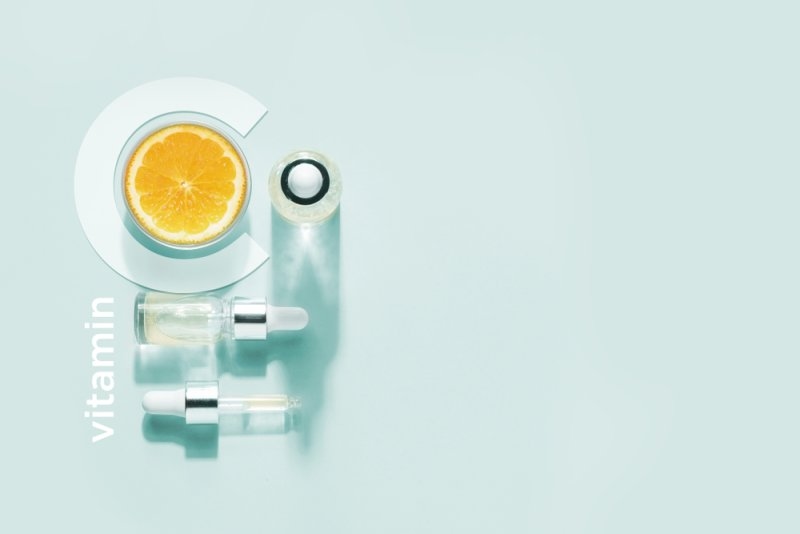
Vitamin C is a potent water-soluble antioxidant that neutralizes free radicals caused by sun exposure and urban pollution. It builds a protective shield across your complexion throughout the day.
What are its Main Skin Benefits?
Here is the list of vitamin C benefits:
- Regular application of vitamin C fortifies your natural moisture barrier.
- It calms environmental inflammation, repairs daily stress, and improves overall skin health.
How Does Vitamin C Brighten Your Complexion?
Vitamin C inhibits excessive melanin production by blocking the tyrosinase enzyme responsible for dark patches. This action gradually fades hyperpigmentation and sun spots.
By balancing melanin production across the face, vitamin C creates an even skin tone. It transforms dull, tired skin into a radiant, luminous complexion with a natural glow.
Retinol vs Vitamin C for Skin: Key Differences Explained
Understanding the core mechanics of retinol vs vitamin C for skin health makes choosing the right serum simple. Here is a clear breakdown comparing both active ingredients:
| Feature | Retinol | Vitamin C |
| Primary Role | Cell turnover and collagen building | Antioxidant protection and brightening |
| Best Time to Apply | Nighttime routine | Morning routine |
| Main Target Concern | Fine lines, deep wrinkles, and texture | Dark spots, dullness, and uneven tone |
| Mechanism of Action | Accelerates surface exfoliation and renewal | Inhibits tyrosinase and neutralizes free radicals |
| Sun Sensitivity | Increases sensitivity to UV rays | Protects cells against UV damage |
Retinol vs Vitamin C for Anti-Aging and Wrinkles
Both ingredients offer incredible youth-preserving qualities, but they combat aging through different pathways.
Retinol vs Vitamin C for Wrinkles
When evaluating retinol vs. vitamin C for wrinkles, retinol takes the crown for deep line reduction. It actively repairs structural collagen loss deep within the dermis. Vitamin C complements this process by preventing further environmental breakdown of existing collagen fibers.
Retinol vs Vitamin C for Anti-Aging
For comprehensive retinol vs. vitamin C for anti-aging defense, combining both yields superior results. Vitamin C prevents photoaging during daylight hours, while retinol repairs nightly damage. Together, they maintain skin elasticity and youthful volume over time.
Retinol vs Vitamin C for Dark Spots and Acne
Targeting specific skin concerns requires choosing the active ingredient best suited for the underlying issue.
Retinol vs Vitamin C for Dark Spots
Comparing retinol vs. vitamin C for dark spots highlights vitamin C as the primary brightening champion. It directly blocks the tyrosinase enzyme responsible for dark patch creation. Retinol aids this process by sloughing off hyperpigmented surface cells faster.
Retinol vs Vitamin C for Acne
When comparing retinol vs. vitamin C for acne, retinol provides superior clearing power. It clears dead skin cells from inside pore walls, preventing comedones and inflamed blemishes. Vitamin C helps fade post-acne red marks and soothes localized inflammation.
What are the Top 3 Vitamin C Serum Recommendations?
Selecting a high-quality vitamin C formula ensures maximum stability and bright results without skin irritation.
1. SkinCeuticals CE Ferulic
It neutralizes harmful free radicals caused by environmental stressors like pollution and UV radiation while visibly reducing fine lines, wrinkles, and loss of firmness.
- Estimated Price: $182 USD
- Where Can You Find It: Authorized dermatologists, skin clinics, and official online stores
- Type of Skin Should Use It: Normal, dry, and aging skin types needing high-potency antioxidant protection
- Active Ingredients: 15% pure L-ascorbic acid, 1% alpha-tocopherol (Vitamin E), and 0.5% ferulic acid
2. Paula's Choice C15 Super Booster
It targets dullness, hyperpigmentation, uneven skin tone, and fine lines while supporting collagen production and shielding the skin from environmental stressors.
- Estimated Price: $55 USD
- Where Can You Find It: Major beauty retailers, department stores, and direct brand websites
- Type of Skin Should Use It: Combination, oily, and sensitive skin seeking a lightweight serum
- Active Ingredients: 15% Vitamin C, Vitamin E, Ferulic acid, and Hyaluronic acid
3. CeraVe Skin Renewing Vitamin C Serum
Unlike many traditional vitamin C serums, it integrates three essential ceramides (1, 3, and 6-II), hyaluronic acid, and vitamin B5 to simultaneously strengthen the skin's moisture barrier and deliver up to 24 hours of hydration without clogging pores.
- Estimated Price: $25 USD
- Where Can You Find Them: Local pharmacies, drugstores, superstores, and major online marketplaces
- Type of Skin Should Use It: Sensitive, dry, and beginner skin types wanting gentle hydration
- Active Ingredients: 10% Pure Vitamin C (L-ascorbic acid), 3 Essential Ceramides, and Hyaluronic Acid
What are the Top 3 Retinol Serum Recommendations?
Finding the right retinol product helps you build tolerance while achieving noticeable cell renewal and smoothing.
1. Sunday Riley A+ High Dose Retinoid Serum
It is designed to smooth fine lines, firm skin, and clear pores with less irritation than prescription options. Enriched with soothing and hydrating ingredients like CoQ10, Hawaiian white honey, cactus extract, and ginger, the gentle formula is well-tolerated by most skin types, including beginners.
- Estimated Price: $85 USD
- Where Can You Find It: Luxury beauty boutiques, department stores, and official online storefronts
- Type of Skin to Use It: Experienced retinol users, oily, and mature skin types
- Active Ingredients: 6.5% retinoid blend, botanical retinol alternative, and Hawaiian white honey
2. La Roche-Posay Redermic R Retinol Serum
It works by boosting surface cell turnover and collagen production, and it is typically combined with soothing ingredients like thermal spring water and glycerin to minimize irritation. Because retinol can increase sun sensitivity, it is generally recommended for evening use alongside daily SPF protection.
- Estimated Price: $48 USD
- Where Can You Find Them: Pharmacies, skincare clinics, and verified online beauty retailers
- Type of Skin Should Use It: Sensitive skin, reactive skin, and first-time retinol users
- Active Ingredients: Pure Retinol, Progressive Release Retinol, and Neurosensine
3. The Ordinary Retinol 0.5% in Squalane
It is a water-free, intermediate-strength serum designed to target fine lines, wrinkles, and uneven skin texture. Infused with nourishing squalane to help cushion the skin and combat dryness typically caused by retinoids, it is cruelty-free.
- Estimated Price: $10 USD
- Where Can You Find Them: Beauty supply stores, department stores, and direct online outlets
- Type of Skin Should Use It: Dry, normal, and budget-conscious users seeking simple formulas
- Active Ingredients: 0.5% pure retinol and a plant-derived squalane oil base
Can I Use Retinol and Vitamin C at the Same Time?
Mixing these potent active ingredients directly in the same application step often causes irritation, flaking, and redness. Many people wonder, can I use retinol and vitamin C at the same time without damaging their moisture barrier? The safest approach is splitting them between your morning and evening routines. Apply vitamin C every morning to protect your face, and reserve retinol for nighttime renewal.
If you prefer using them in the same evening routine, timing matters significantly. Users often ask, Should I use retinol or vitamin C first? Apply vitamin C first on clean, dry skin due to its lower pH requirement. Wait twenty minutes for complete absorption before applying a pea-sized amount of retinol, followed by a rich moisturizer.
Must Try: Wrinkles: Causes and Treatment Tips You Need to Know
Conclusion
Building an effective skincare routine does not require choosing just one superstar ingredient. Throughout this guide, we explored how vitamin C protects against daytime damage while retinol drives deep cellular repair overnight. We examined their unique impacts on fine lines, hyperpigmentation, active breakouts, and long-term skin firmness.
Using these ingredients at separate times of day maximizes benefits without disrupting your natural moisture barrier. Consistent care paired with daily broad-spectrum sun protection ensures your skin stays smooth, bright, and resilient. Taking proactive steps today yields visible confidence for years to come. Are you ready to elevate your daily beauty regimen and achieve a glowing complexion? Take the next step today by exploring our curated beauty guides, discovering expert-recommended formulations, and unlocking personalized routine tips designed to elevate your skin health effortlessly!
Are you ready to transform your daily skincare routine and unlock your ultimate healthy glow? Explore our collection of dermatologist-approved guides today to find the perfect formula match for your unique skin goals!
FAQs
What is the Ideal Concentration of Vitamin C for Beginners?
Beginners should start with a ten percent L-ascorbic acid concentration to avoid stinging or temporary skin redness. As tolerance builds over several weeks, you can gradually increase to fifteen or twenty percent for maximum brightening effects.
How Should You Store Serums to Prevent Oxidation and Spoiling?
Store vitamin C and retinol products in cool, dark cabinets away from direct sunlight and bathroom humidity. Keeping bottle caps tightly sealed prevents air exposure, preserving active ingredient potency and extending product shelf life significantly.
Are Synthetic Actives Safer Than Plant-Based Retinol Alternatives?
Synthetic retinol undergoes strict pharmaceutical testing to guarantee precise strength and clinical efficacy for skin repair. Plant alternatives like bakuchiol offer gentle hydration for sensitive skin, but traditional retinol delivers faster, proven anti-aging results.
Why is Daily Sunscreen Mandatory When Using Retinol Serums?
Retinol increases cell turnover, exposing fresh skin cells that are heightened to solar damage and sunburns. Applying broad-spectrum sunscreen with SPF thirty or higher every morning prevents UV rays from reversing your skincare progress.
How Long Does it Take to See Visible Skincare Results?
Vitamin C brightens dull complexions and improves radiance within two to four weeks of consistent morning application. Retinol requires consistent use for eight to twelve weeks to show visible smoothing of fine lines and improved texture.
This content was created by AI