Which is Better: Lipstick vs Lip Gloss for Everyday Wear?

Quick Takeaway
- Comparing lipstick vs. lip gloss comes down to balancing bold color payoff against sheer, reflective shine.
- Traditional lipsticks provide high pigment density, crisp lip definition, and superior resistance to fading throughout the workday.
- Lip gloss formulas deliver instant moisture, a fuller pout appearance, and fast touch-ups without needing a mirror.
- Evaluating finish options reveals matte and satin lipstick textures contrast sharply with high-shine, glassy gloss finishes.
- Layering a sheer hydrating gloss over a long-wearing matte lipstick combines rich color intensity with comfortable moisture.
Standing in front of a crowded beauty aisle while deciding between a bold bullet tube and a shiny wand applicator can feel surprisingly overwhelming. Weighing lipstick vs. lip gloss allows you to tailor your daily makeup routine to your exact style preferences, comfort expectations, and schedule demands.
According to global cosmetics market analysis from Grand View Research, lip products remain a dominant force in personal care, with consumer trends shifting equally toward long-lasting matte pigments and nourishing hybrid lip oils.
Every beauty lover has experienced the frustration of picking a product that either dries out their lips by noon or disappears after a single sip of coffee. Finding your ideal match requires understanding how formulas differ in coverage, texture, and staying power. In this detailed beauty guide, we will analyze key formula distinctions, compare pros and cons, explore finish variations, and answer common questions about everyday wearability.
What is Lipstick?
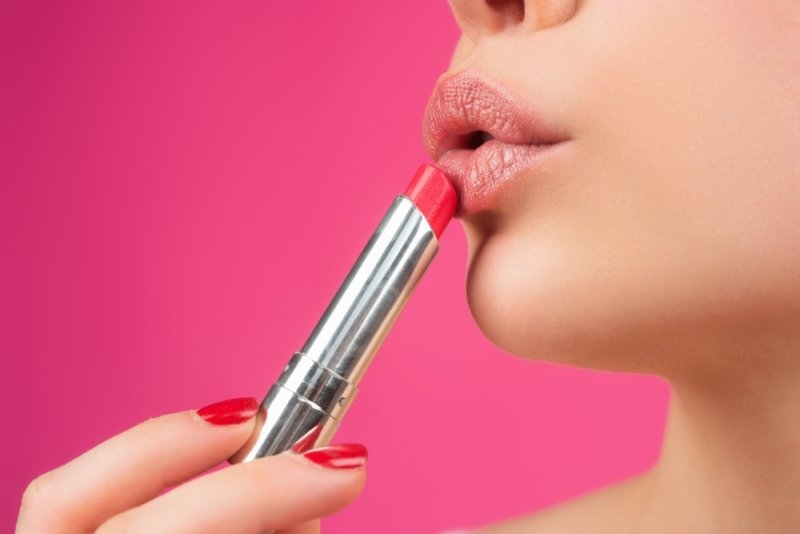
A lipstick is a classic cosmetic product formulated with waxes, oils, structure-building emollients, and concentrated color pigments. It is designed to coat the lips with rich color and can come in solid bullets, liquid formats, or precise pencil sticks.
Formulated to alter or enhance natural lip shades, lipstick provides structured coverage that ranges from sheer satin tints to completely opaque matte finishes. It acts as an anchor for dramatic or professional makeup looks.
What is Lip Gloss?
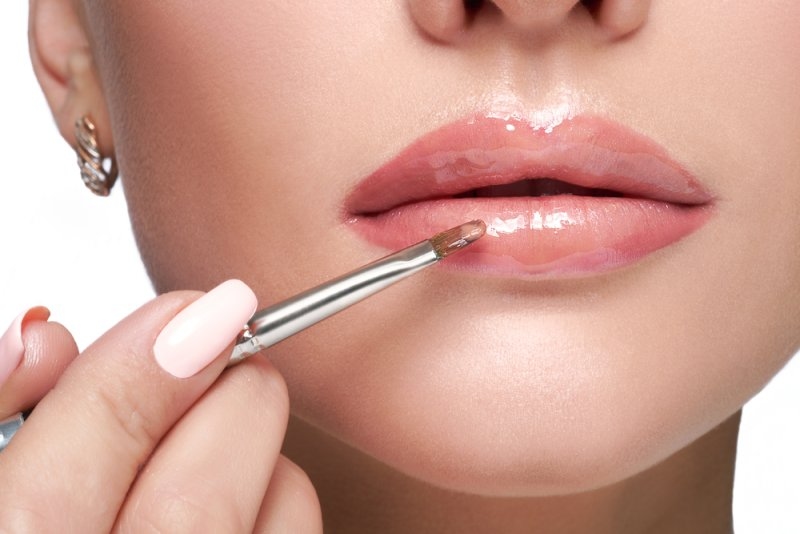
A lip gloss is a fluid or semi-liquid beauty product crafted primarily to add noticeable shine, subtle tint, and reflective radiance to the lips. It comes packaged in tubes or vials with soft wand applicators.
Unlike solid lip products, lip gloss features a lighter, oil-based base that highlights lip texture. It creates a luminous, wet-look finish that makes lips appear naturally plumper while providing a light layer of conditioning moisture.
Try This: Discovering The 10 Best Nude Lipsticks For A Perfect Pout
What is the Difference Between Lipstick and Lip Gloss?
Understanding what is the difference between lipstick and lip gloss begins with analyzing their underlying chemical formulations and primary decorative functions.
Lipstick consists primarily of natural waxes, oils, and concentrated color pigments molded into solid or liquid forms. This structure allows it to deliver opaque coverage that shapes and defines the lips precisely. On the other hand, lip gloss relies heavily on fluid oils, polymers, and light-reflecting emollients. It provides a sheer wash of color accompanied by a wet, reflective shine that makes lips look plumper naturally.
| Feature Comparison | Classic Lipstick | Luminous Lip Gloss |
| Primary Base Material | Structured waxes, heavy oils, and dense pigments | Liquid polymers, plant oils, and light emollients |
| Color Density | Opaque, full-coverage color payoff | Sheer to translucent tint |
| Finish Options | Matte, satin, velvet, cream, and metallic | High shine, glassy, subtle shimmer, and wet look |
| Application Style | Precise lining requiring mirror precision | Fast, easy wand swipes anywhere |
What are the Key Lipstick Benefits and Formulas?
Choosing a classic bullet or liquid formula offers distinct advantages for structured makeup aesthetics.
1. Intense Color Payoff and Coverage
Primary lipstick benefits center around rich, opaque lipstick vs. lip gloss pigmentation. A single swipe delivers vibrant color capable of completely transforming your look or balancing dramatic eye makeup.
2. Defined Shapes and Crisp Lines
Lipsticks allow for precise application, especially when paired with a matching lip liner. You can clean up edges, correct asymmetry, and create a sophisticated, tailored mouth shape for formal settings.
3. Extended Wear Time and Smudge Resistance
Formulated with long-lasting setting agents, high-performance lipsticks offer superior lipstick vs lip gloss longevity. They resist feathering and transfer, keeping your lip color intact through long work presentations and meals.
4. Versatile Texture Options
Lipsticks provide an extensive range of lipstick vs lip gloss finish options. Whether you prefer a velvet matte, classic cream, or luminous satin texture, you can customize your makeup style easily.
What are the Key Lip Gloss Benefits and Hydration?
Opting for a modern gloss wand brings effortless comfort and youthful radiance to your routine.
1. Instant Moisture and Nourishment
Evaluating which is more hydrating, lipstick or lip gloss, shows that glosses win on immediate comfort. Packed with hyaluronic acid, jojoba oil, and vitamin E, core lip gloss benefits include conditioning dry, chapped lips instantly.
2. Volumizing Effect Without Injections
The reflective nature of a glassy finish bounces light off the center of your lips. This optical illusion creates a noticeably plumper, fuller appearance without requiring invasive cosmetic procedures.
3. Effortless Application and Touchups
Lip gloss requires minimal precision to apply beautifully. You can sweep it across your lips quickly without needing a mirror, making it perfect for on-the-go touchups throughout a busy day.
4. Softening Fine Lip Lines
The thick, reflective coating of a nourishing gloss smooths over natural lip texture and vertical lines. It creates a glass-like finish that makes lips look youthful, fresh, and supple.
Comparing Lipstick vs. Lip Gloss Finishes and Longevity
Analyzing lipstick vs. lip gloss differences across performance categories helps clarify which product suits specific occasions.
| Beauty Attribute | Lipstick Profile | Lip Gloss Profile |
| Texture Range | Matte, satin, velvet, sheer, and cream | High shine, shimmer, glassy, and lip oil |
| Pigmentation Level | High to full opaque color payoff | Sheer to medium buildable tint |
| Wear Time | 4 to 8 hours depending on formula | 1 to 3 hours requiring frequent reapplication |
| Application Feel | Structured, velvety, or powdery dry | Smooth, cushiony, or slightly tacky |
What are the Lipstick vs Lip Gloss Pros and Cons?
Reviewing lipstick vs. lip gloss pros and cons highlights the functional trade-offs involved with each choice.
Lipstick Advantages and Disadvantages
Lipstick excels in staying power, offering hours of continuous wear through meetings and meals. However, matte options can accentuate dry patches if lips are not properly exfoliated beforehand.
Lip Gloss Advantages and Disadvantages
Lip gloss shines in convenience, allowing quick, mirror-free touch-ups anywhere. Its main drawback is a sticky texture that can catch stray hair strands on windy days.
Try This: Discover the Best Lipstick Shades for Every Occasion
Which Is Better, Lipstick or Lip Gloss for Everyday Wear?
When asking which is better lipstick or lip gloss or which is better for everyday wear, the answer depends entirely on your daily routine.
If your weekday involves long presentations, formal client meetings, or minimal time for touch-ups, a long-wearing satin or matte lipstick keeps you looking polished. Conversely, if you prioritize quick morning routines, natural look aesthetics, or running errands, a hydrating gloss offers effortless beauty without hassle.
Conclusion
Understanding the dynamic between lipstick vs. lip gloss empowers you to curate a versatile makeup collection that fits every mood and occasion. Throughout this guide, we defined core formula differences, examined pigment density, analyzed finish options, and evaluated wear time across both categories.
Lipstick provides bold color, sharp definition, and reliable staying power for professional settings. Meanwhile, lip gloss delivers nourishing moisture, easy touch-ups, and a youthful, plump finish for casual days. Combining both products in your beauty bag ensures you always have the perfect option ready to elevate your style.
Are you ready to discover your next holy-grail lip product and refine your daily beauty routine? Explore expert cosmetic reviews and curated beauty insights to build your dream makeup collection today!
FAQs
Can you wear lipstick and lip gloss together effectively?
Yes, layering lip gloss over lipstick is a popular technique used by professional makeup artists. Applying a matte lipstick first establishes a bold, long-lasting color foundation. Dabbing a clear or shimmery gloss in the center of your lips adds multi-dimensional shine while keeping your lips feeling comfortable and hydrated all day.
How do you stop lip gloss from feeling sticky?
To reduce lip gloss stickiness, apply a tiny pea-sized drop to the center of your bottom lip and press your lips together gently rather than slathering multiple heavy layers. Choosing modern lip oil hybrids formulated with non-greasy plant oils also provides high shine without the tacky feel of traditional glosses.
What ingredients should you avoid in daily lip products?
When shopping for everyday lip products, avoid formulas containing synthetic fragrances, heavy parabens, or drying alcohols like menthol and camphor. While cooling agents feel refreshing initially, they can irritate delicate lip tissue over time, causing chronic dryness that forces you to reapply product continuously throughout the day.
How do you prevent lipstick from bleeding into fine lines?
Preventing lipstick from bleeding or feathering requires prepping your lips with a gentle exfoliant and hydrating balm. Applying a clear or shade-matched lip liner around your natural lip border creates an invisible barrier that locks pigment in place, preventing color from migrating into small lines around your mouth.
Does lip gloss expire faster than bullet lipstick?
Yes, lip gloss typically expires faster than traditional bullet lipstick due to its liquid formulation and applicator wand design. Inserting the wand back into the tube introduces air, moisture, and bacteria, giving gloss a shelf life of roughly twelve months, whereas solid wax-based lipsticks can last up to two years.
This content was created by AI