How Should You Choose the Best Makeup Brushes Guide?

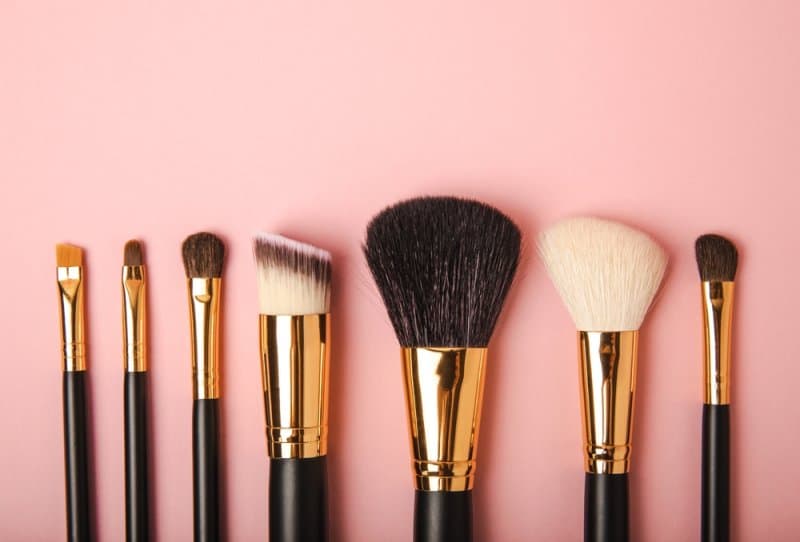
Quick Takeaways
- Choosing the right beauty tools transforms liquid foundation and powder application into a seamless routine.
- Consumer beauty survey data reveals that over seventy percent of makeup lovers struggle with streaky blending.
- Synthetic fibers work best with liquid cream formulas, while natural bristles grab dry powders effortlessly.
- Cleaning your tools regularly prevents skin breakouts and extends the lifespan of your beauty collection.
- Investing in a core set of multi-use brushes delivers professional cosmetic results without overspending.
Standing in front of a beauty counter filled with dozens of unfamiliar tools can leave anyone feeling confused and overwhelmed. Unlocking the secrets of an expert makeup brushes guide instantly transforms your daily morning routine from frustrating guesswork into pure creative joy. Industry beauty research reports indicate that sixty-eight percent of consumers achieve smoother coverage simply by upgrading their application tools. When high-quality bristles sweep across your skin, blending liquids and powders feels effortless, natural, and empowering.
Mastering your tools empowers you to create flawless looks for every occasion with complete confidence. It elevates your favorite cosmetic products by ensuring seamless coverage and perfect blending every single time.
In this comprehensive beauty handbook, we detail different types of makeup brushes, explain makeup brushes and their uses, share tips on makeup brushes for beginners, compare synthetic vs natural makeup brushes, and highlight essential makeup brushes for your vanity.
What are the Different Types of Makeup Brushes and Their Uses?
Exploring the wide variety of tools helps beauty lovers understand how each brush shape enhances specific facial features. Using specialized brushes ensures even product distribution without harsh lines or patchy spots.
Knowing what makeup brushes are needed for a full face of makeup simplifies your vanity organization. From dense foundation tools to fluffy eyeshadow blenders, matching bristles to formulas creates flawless finishes.
Must Try: Eyeshadow Guide: Tips, Techniques & Trends for Beginner
Face Makeup Brushes Guide: Building Your Core Collection
Mastering face product application requires selecting tools designed for specific product textures like liquids, creams, and powders.
- Foundation Brush: Dense flat top or kabuki buffing tools blend liquid and cream foundations evenly into the skin without absorbing excess product into the bristles.
- Concealer Brush: Tapered synthetic tools allow precise spot coverage around delicate under-eye areas, red spots, and small facial blemishes.
- Powder Brush: Large fluffy dome heads sweep loose or pressed setting powder across the face to absorb excess oil smoothly without disturbing underlying coverage.
- Blush Brush: Soft, medium-sized angled or rounded cheek tools fit the natural contours of your cheekbones, distributing blush powders and creams with soft precision.
- Contour Brush: Angled dense brushes sculpt hollows of cheeks, jawlines, and temples to create soft, natural shadows and defined facial dimensions.
- Highlighter Brush: Delicate fan brushes or small tapered fluffy heads dust luminous powders lightly across high points of cheekbones, brow bones, and nose bridges.
- Bronzer Brush: Wide, fluffy, domed brushes deposit warm, sun-kissed powders broadly across the forehead, cheeks, and jawline for a natural glow.
Eye Makeup Brushes for Beginners and Enthusiasts
Creating captivating eye looks depends on using smaller, specialized tools designed for detail work and soft blending.
- Flat Shader Brush: Packs powder or cream eyeshadow pigment directly onto the eyelid for maximum color payoff and minimal fallout.
- Fluffy Crease Blending Brush: Soft dome-shaped bristles blend harsh lines into eye creases, seamlessly merging transition shades together.
- Precision Smudger Brush: Small, short, dense bristles smudge eyeliner or eyeshadow along lower lash lines to create dramatic smoky eye effects.
- Angled Eyeliner Brush: Fine, firm, sharp bristles draw precise gel or powder eyeliner wings and fill in delicate eyebrow hair strokes.
- Pencil Brush: Compact tapered-tip bristles place concentrated color onto outer V corners and inner eye tear ducts accurately.
Synthetic vs Natural Makeup Brushes: How to Choose the Right Option?
Understanding what is the difference between natural and synthetic makeup brushes helps you select ideal bristles for your cosmetics.
| Feature Comparison | Synthetic Makeup Brushes | Natural Hair Makeup Brushes |
| Material Source | Smooth, man-made nylon or polyester fibers | Natural animal hair fibers like goat or sable |
| Best Product Pairing | Liquid foundations, cream concealers, gels | Dry powders, loose pigments, bronzers |
| Cleaning & Durability | Easy to wash, dries fast, highly durable | Requires gentle shampooing and slow air drying |
| Hypoallergenic Trait | 100% cruelty-free and hypoallergenic | May trigger allergies in sensitive skin types |
Learning how to choose the right makeup brushes for different products prevents waste while maximizing cosmetic color payoff.
How Often Should You Clean Your Makeup Brushes for Healthy Skin?
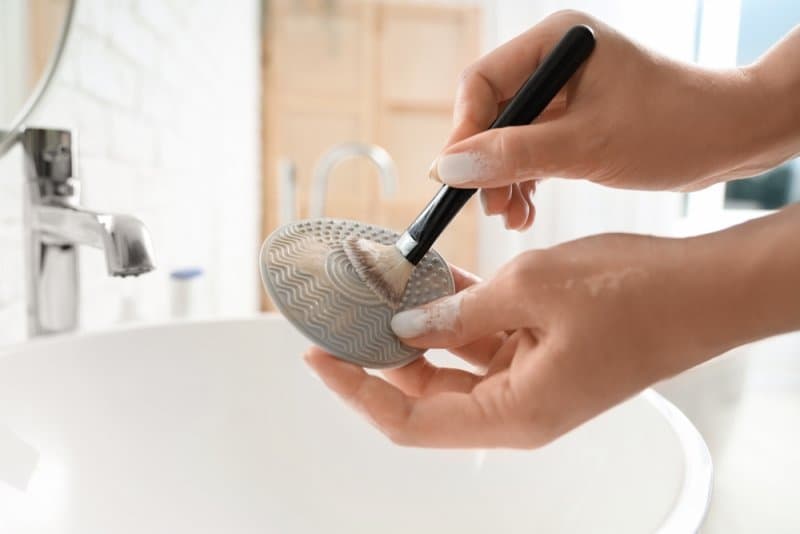
Asking how often should you clean your makeup brushes is vital for maintaining clear skin and protecting soft bristle fibers.
Dermatologists recommend washing liquid foundation and concealer tools once a week to prevent bacterial growth. Eye tools and powder brushes should be deep cleaned every two weeks using gentle brush shampoo. Regular cleansing removes trapped oils, dead skin cells, and old makeup residue effectively.
Try This: Contour Face Makeup Tips - Contouring 5 Different Nose Shapes
Selecting the Best Essential Makeup Brushes for Everyday Beauty
Building a personal vanity collection does not require buying expensive fifty-piece sets that sit unused in drawers. Focus on acquiring five to six high-quality essential makeup brushes that cover foundation, powder, blush, eyeshadow packing, and crease blending. Selecting versatile tools delivers maximum value while streamlining your daily beauty routine.
Conclusion
Navigating the world of beauty tools becomes simple when you understand how different bristle shapes and hair types function. Throughout this detailed guide, we explored various brush categories, highlighted core facial and eye application techniques, and compared synthetic fibers against natural hair options. We also outlined proper hygiene schedules, reviewed essential beginner sets, and explained how to match specific tools to liquid or powder cosmetics.
Investing in high-performance beauty tools ensures your favorite cosmetics apply smoothly, blend seamlessly, and last all day. Developing proper brush care habits protects your skin health while preserving your bristles for years of reliable use.
To explore top-rated cosmetic tools, discover expert beauty tips, and upgrade your personal brush collection today, visit our lifestyle magazine to unleash your inner artist.
FAQs
What is the best way to store brushes to keep bristles intact?
Store your beauty tools upright in a dry container or cup with bristles facing upward to maintain their natural shape. When traveling, use protective brush guards or structured travel cases to prevent fibers from bending, fraying, or trapping moisture, which can cause bristle shedding over time.
How do you stop hair shedding with new beauty tools?
Prevent bristle shedding by avoiding hot water during washing, as high heat melts the internal glue holding fibers inside the metal ferrule. Additionally, dry tools are flat or angled upside down on a towel so water never seeps downward into the wooden handle base where glue resides.
Can you use the same tool for cream and powder blush?
Using the same tool for cream and powder formulas is not recommended because lingering cream oils cause powder pigments to clump on bristles. Dedicated synthetic tools work best for liquid creams, while separate fluffy natural or synthetic brushes deliver smooth, airbrushed powder blush application.
Why does liquid foundation look streaky during application?
Liquid foundation appears streaky when using flat paddle brushes with stiff fibers or applying product onto dry, unmoisturized skin. Switching to a dense, round buffing tool and using gentle circular motions over well-hydrated skin ensures seamless, streak-free coverage every single time.
What are dual-fiber stippling tools used for in makeup?
Dual-fiber stippling tools feature a mixture of long synthetic fibers and shorter base bristles designed to apply liquid products sheerly. They excel at layering liquid highlighters, lightweight tinted moisturizers, and cream blushes onto the skin for a soft, natural, photo-ready finish.
This content was created by AI