What is Gothic Fashion, and How Has it Evolved in 2026?


Key Takeaway
- Gothic fashion isn’t just a dress code. It’s a whole culture and vibe.
- Gothic fashion has been shaped by Victorian influences, punk, and the goth scene of the late ’70s and ’80s.
- There are several styles: traditional, Victorian, romantic, and Gothic Lolita fashion, and each has its own twist.
- To really nail Gothic style, don’t stop at clothing—think makeup, hair, boots, jewelry, and attitude.
- Mix historic influences with your personality and adapt it for everyday wear.
Gothic clothing isn't purely about wearing black. It’s more about a mood, a sense of drama, and the freedom to dress differently. It’s a look for anyone who wants to stand out and express something deeper. Over time, people have pulled from all sorts of influences—Victorian mourning, punk rebellion, and even Japanese street styles. If you dig into its history, you find it’s a patchwork of music, art, literature, and attitude.
The Museum at FIT maps out how Gothic style grew from old Gothic novels all the way to modern runways and street scenes. Fashion historian Catherine Spooner explains modern goth as a blend of punk, Victorian looks, music, and a DIY spirit. But what made this dark, dramatic style stick around for so long?
This guide digs into all of it: what gothic fashion really means, where it came from, how it evolved, the main types, and the designers who pulled it from underground clubs to high fashion runways.
What is Gothic Fashion?
Gothic fashion is all about bold moods—dark aesthetics, drama, alternative culture, and historical references. Sure, black is common, but it’s not mandatory.
You’ll see lace, velvet, leather, corsets, fishnets, chunky boots, silver jewelry, dramatic gothic makeup, and flowing shapes. But it’s the way everything combines that matters.
Sometimes it’s romantic but rebellious, elegant yet intimidating, vintage but modern. That kind of flexibility makes it last.
Gothic Fashion History: Where Did it Begin?
Gothic fashion has a really old history—even pre-goth.
Victorian Influence
The clothes worn in mourning during the Victorian period. They mostly included a black dress, veil, lace, and corset, which actually carried the motifs of sorrow, mystery, and drama—these themes are prevalent in today's Goth style.
Gothic literature—such as the genre of Gothic buildings, tormented love, and supernatural elements—served to inspire a new generation's imagination.
It's no accident that modern Gothic fashion borrows from past drama and then twists it into something new.
Punk and Post-Punk: The Real Roots
Goth really took shape in late 1970s and early ’80s Britain. Its DNA is close to punk: ripped clothes, leather, fishnets, wild hair, odd accessories—all reworked to be darker and more theatrical.
The Batcave nightclub in London became the goth scene’s beating heart in 1982. Siouxsie Sioux, Dave Vanian, Bauhaus—they helped define the visual style.
The goth look was meant to stand apart from mainstream fashion.
How Did Gothic-Style Fashion Change in the 1990s and 2000s?
Goth didn’t stay stuck in place. Through the ’80s, it pulled in influences from metal, rockabilly, glam, and other alternative scenes. By the ’90s and 2000s, goth elements started showing up in mainstream retail and high fashion.
Alexander McQueen’s dramatic, macabre runway collections are a classic example. Rick Owens and Rodarte added their spin, and luxury labels blurred the line between goth and mainstream style.
What are the Main Types of Gothic Fashion?
There’s no single uniform. Branches grew in all directions:
Traditional Goth Fashion
Rooted in the ’80s scene. Black clothes, fishnets, leather, band tees, heavy makeup, big hair, silver accessories. The vibe is raw and theatrical.
Victorian Gothic Fashion
Inspired by 19th-century looks. Corsets, lace, high collars, velvet, gloves, ornate jewelry, and dramatic sleeves. More elegant and romantic than trad goth.
Gothic Lolita Fashion
A Japanese twist, mixing doll-like Lolita silhouettes with gothic colors and details. Bell skirts, bows, lace, fitted bodices, knee socks, fancy accessories. It spread worldwide thanks to manga and street fashion.
Romantic Goth Fashion
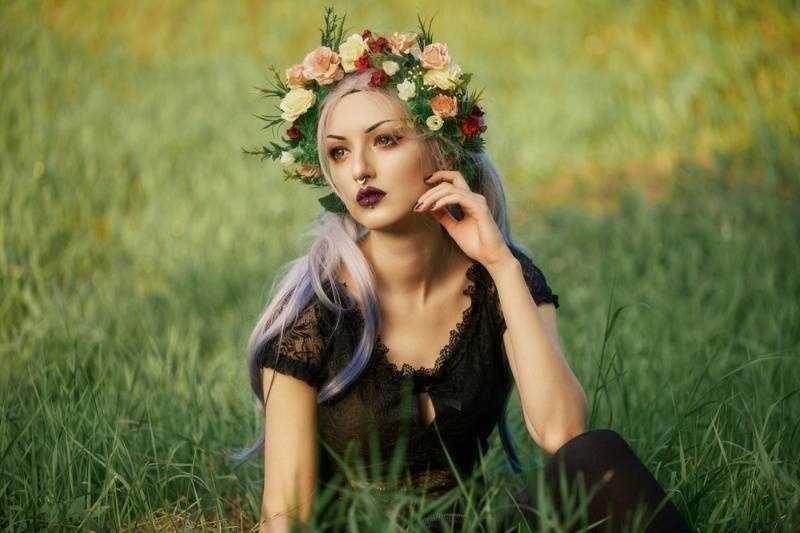
Less punk, more old-school beauty and fantasy. Flowing fabrics, lace, velvet, corsets, and antique-inspired jewelry. It’s a softer, dreamy side of goth.
Who are the Influential Gothic Fashion Designers?
Gothic style keeps creeping into high fashion. Here are some renowned and influential gothic fashion designers:
- Alexander McQueen's shows often channel death, beauty, history, and drama.
- Rick Owens is famous for sculptural shapes and moody colors.
- Rodarte plays with romantic gothic themes.
These designers prove you don’t have to copy goth exactly—reinterpret it.
How Can You Wear Gothic Women's Fashion Today?
You don’t need to go full costume to bring gothic vibes into your look.
Start small: Initiate with a black lace blouse with trousers, a maxi skirt with boots, silver jewelry with a monochrome outfit, or a corset-style top under a blazer.
Layer textures: leather, lace, velvet, mesh, and metal—for depth without overcomplicating things. The trick: balance.
Why Does Gothic Fashion Still Matter?
Goth fashion sticks around because it keeps changing. It moved from underground clubs to runways, social media, shops, movies, and street style worldwide. At the core, it’s about individuality—deciding what beauty means to you.
That’s probably why goth, born in a 20th-century alternative scene, refuses to fade out.
Conclusion
Gothic fashion has a wild history. It starts with mourning clothes, Gothic novels, and moody romanticism, then runs headlong into punk and post-punk culture. From there, it splintered—traditional goth, Victorian, romantic, Gothic Lolita fashion, and all sorts of modern versions.
Designers like Alexander McQueen and Rick Owens took goth ideas straight onto the runway. But honestly, the real magic of goth fashion isn’t about a specific piece. It’s about the freedom to play and experiment. You don’t have to wear all black to get the look. Try new textures, shapes, accessories, or makeup—whatever feels real to you. Whether you lean Victorian, punk, or streetwear, there’s space to make it yours.
For more inspiration, check out WomenWire.com for style ideas. Always dress for the version of yourself you want to see—not the one others expect.
Frequently Asked Questions
Is Gothic Fashion Only for People in the Goth Subculture?
Nope. Anybody can work Gothic pieces into their wardrobe. Black lace, boots, silver jewelry, velvet, and dramatic shapes—they blend into all sorts of styles. The aesthetic adapts, not just for goths.
Can Gothic Fashion be Colorful?
Definitely. Black is classic, but goth style now includes burgundy, purple, deep green, navy, white, pastels, and more. Pastel goth mixes light colors with goth details, proving the palette is pretty open.
What Fabrics are Commonly Used in Gothic Fashion?
Favorites are velvet, lace, leather, mesh, chiffon, satin, and cotton. Velvet adds richness; lace is delicate; leather and mesh bring an edgy touch. Layering these textures gives more drama than just relying on color.
Is Gothic Fashion Expensive to Build?
Not always. Early goth scenes were about DIY, thrift shops, customizing old pieces, and mixing what you already had. Start with basics, add statement jewelry or boots, and build up as your style evolves.
Can Gothic Fashion Work for Everyday Wear?
Absolutely. Everyday goth looks best when drama meets simple staples—like a black blazer, dark jeans, ankle boots, silver rings, and lace tops. Adjust the intensity for your workplace or comfort level—make it fit your life.
This content was created by AI