Ovarian Remnant Syndrome: Causes, Symptoms & Prevention

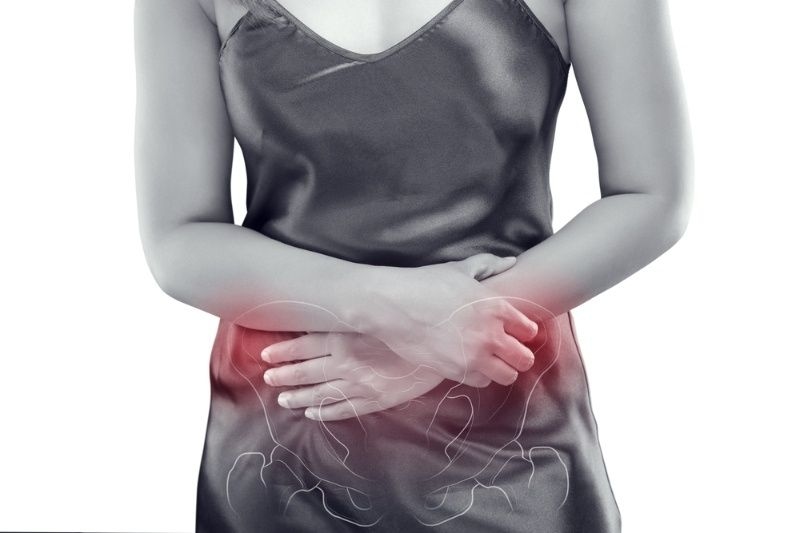
Having an oophorectomy is usually a choice that people make to stop feeling chronic pain. For some women, the problems they wanted to get rid of come back soon after the surgery. This happens because of something called Remnant Syndrome or ORS. What happens is that a small piece of the ovary is accidentally left inside the area.
This little piece of the ovary is still there. Can react to hormones, which can cause a lot of discomfort. In this article, we will talk about what ovarian remnant syndrome is, how rare it is, what the symptoms are, what kind of problems it can cause, and how to prevent ovarian remnant syndrome from happening.
What is Ovarian Remnant Syndrome?
Ovarian remnant syndrome is a problem that can happen after surgery. It occurs when some ovarian tissue is left behind after the doctor takes out one or both ovaries. Ovarian remnant syndrome is a deal because even a tiny piece of ovarian remnant syndrome tissue can start to work on its own. This leftover ovarian remnant syndrome tissue can even get its blood supply. The Ovarian Remnant Syndrome tissue can make hormones. Develop cysts. Due to this, some women also get irregular periods, and if this random period continues for a long time, it requires a doctor's consultation. Sometimes, the ovarian remnant syndrome tissue will even try to release an egg.
There are several factors contributing to this surgical oversight:
- Surgical Adhesions: Previous surgeries or infections make tissue stick together. This scar tissue sticks the ovary to the wall.
- Endometriosis: It makes attachments. These attachments make it hard for a surgeon to see where the ovary starts and ends.
- Anatomic Distortion: Long-term inflammation can move organs. This movement hides parts of the tissue. The ovary gets hidden because of this. Inflammation changes where things are, in the pelvis.
How Rare is Ovarian Remnant Syndrome?
Ovarian remnant syndrome is not something that happens every day. It is a known risk when you have pelvic surgery. How often ovarian remnant syndrome happens usually depends on how complicated the patients' medical histories are. For a woman who has never had any inflammation, the chance of getting remnant syndrome is really very low.
The following scenarios increase the frequency of this condition:
- History of Endometriosis: This is a risk factor for endometriosis. Most cases of remnant syndrome (ORS) happen in women who have had severe endometriosis. Endometriosis plays a major role in ovarian remnants.
- Pelvic Inflammatory Disease: Past infections can cause adhesions. These adhesions can trap pieces of the ovary.
- Laparoscopic Challenges: Minimally invasive surgery is sometimes used. It can make it hard to find ovarian remnants. Open surgery can make it easier to spot them.
Ovarian Remnant Syndrome Symptoms
The main sign of remnant syndrome is when the pelvic pain comes back after an oophorectomy. This happens because the tissue is still alive and working. So the symptoms usually happen at the time, as a regular period does. Moreover, one should also take genuine care of their menstrual cycle.
Common symptoms that women should keep an eye on include:
Cyclical Pelvic Pain
This is the common symptom people report. The pain can be constant. Come and go at certain times. It happens because the leftover tissue gets swollen or tries to release an egg into a space where it cannot reach the uterus. The pain is usually caused by this swelling or the tissue trying to release an egg.
Pelvic Mass and Pressure
As the remnant grows, it can form a lump. This lump can press on important systems. That can cause pain when you have sex or make it hard to go to the bathroom. The remnant pressing on the systems can also lead to problems with bowel movements. It can make sex uncomfortable. Bowel movements are painful.
Absence of Menopausal Symptoms
Normally, when both ovaries are removed, menopause starts right away. If a woman does not have flashes or night sweats without taking hormone replacement, it could mean that a small part of the ovary is still making estrogen.
Is Ovarian Remnant Syndrome Dangerous?
ORS is usually not cancerous. That does not mean we should ignore it. The problem with ORS is that it can get in the way of how organs in the pelvic area work. If we do not treat the tissue, it can cause health problems that last a long time, and that is a concern with ORS. The health risks of ORS can be serious if we do not take care of it. It is even more important to use correct and hygienic period products to avoid an infection.
Potential complications include the following:
- Ureteral Obstruction: A cyst that forms can press on the ureter, which is the tube that carries urine to the bladder. This can cause damage to the kidneys.
- Endometriosis Growth: If someone had surgery to remove endometriosis, a remnant can still provide the estrogen that the disease needs to keep growing.
- Malignancy Risk: There is a chance that any ovarian tissue that is left in the body can turn into cancer over time
How to Prevent Ovarian Remnant Syndrome?
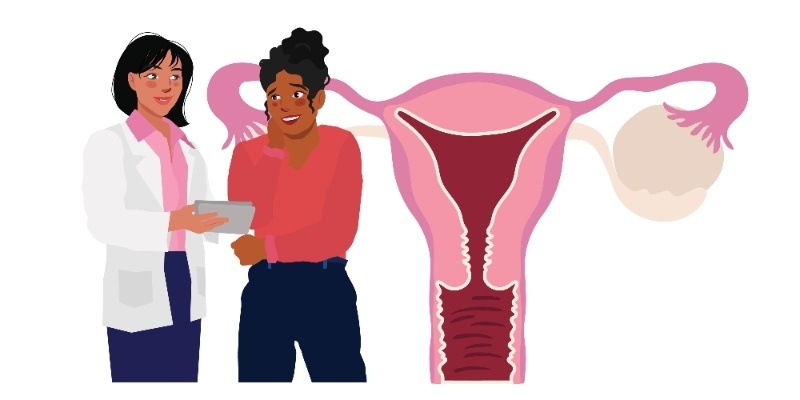
The doctors and nurses who do the operation are the ones who have to make sure everything is done correctly to prevent any problems. The surgeons have to be very careful, especially when they are operating on people who have a lot of scars and are more likely to have complications.
Effective prevention strategies include:
- Expert Surgeon Selection: When it comes to pelvic cases, choosing a surgeon with a lot of experience in this area can really make a difference and lower the risks.
- Ureteral Stents: Before the surgery, the surgeon may put in stents to clearly see where the ureters are, which makes it safer to remove tissue.
- Peritoneal Stripping: For cases that are considered risky, the surgeon might decide to remove the lining of the pelvis where the ovary was attached. This is done to make sure no cells are left behind.
Conclusion
Ovarian remnant syndrome is a condition to deal with. It is not common. It can cause a lot of pain and emotional problems for women. To get help, you need to know what the symptoms are like, such as feeling pain that comes and goes and not having the changes that happen when you go through menopause.
When you see doctors who specialize in this and use the imaging tools, they can remove the leftover tissue safely. If you get the treatment for ovarian remnant syndrome, women can finally feel better and not have to deal with ongoing pelvic pain and hormone problems.
FAQs
Can Ovarian Remnant Syndrome Cause A Positive Pregnancy Test?
Ovarian remnant syndrome is not going to cause a pregnancy test. This is because ovarian remnant syndrome does not make the chorionic gonadotropin hormone that you need to have a positive test result. The tissue that is left over from remnant syndrome can make estrogen and progesterone. These can make you feel like you are pregnant, like your breasts are tender. Ovarian remnant syndrome cannot make the special hormone that pregnancy tests are looking for.
Does the use of HRT Affect the Diagnosis of this Syndrome?
Hormone replacement therapy can make it harder to diagnose remnant syndrome. This is because it masks the body’s natural hormone signals. Doctors usually ask patients to stop hormone replacement therapy for a while. This is to check if follicle-stimulating hormone levels stay low. If they do, it means an ovarian remnant is making its estrogen. If patients keep taking hormone replacement therapy during testing, the results may not be clear. This can delay surgery to treat remnant syndrome.
Can A Remnant Be Treated With Medication Instead Of Surgery?
While medications like GnRH agonists can temporarily shrink the remnant tissue and suppress hormone production to alleviate pain, they are generally not a permanent cure. Most experts recommend surgical excision as the definitive treatment for ovarian remnant syndrome, as symptoms usually return once the medication is stopped, and the risk of future complications like cysts remains.
This content was created by AI