What are the Magnesium Benefits for Women in 2026?

Quick Takeaways
- Magnesium is a powerhouse—fueling over 300 crucial processes in a woman’s body every day.
- The reality? Nearly 70% of women aren’t getting enough through their diet.
- Magnesium glycinate stands out for its great absorption without any stomach issues.
- If you load up on seeds, nuts, and leafy greens, you’ll naturally boost your energy at a cellular level.
- Stick with it, and you’ll ease premenstrual cramps and calm those perimenopause mood swings, too.
You’d think a full eight hours of sleep would leave you refreshed, but for a lot of women, it just doesn’t. There’s that tired feeling, maybe brutal muscle cramps before your period, or a wave of anxiety over nothing. Today’s life is exhausting. Women juggle work, families, and a million worries—it’s no wonder stress runs high. The sneaky cause behind feeling wiped out or moody? It might just be a simple mineral deficiency.
According to the National Institutes of Health (NIH), around 68% of adults don’t hit their daily magnesium goal. Women feel it even more, thanks to hormone swings, pregnancy, and menopause.
In this guide, I’ll break down why magnesium matters so much, what foods pack the biggest punch, how it helps with cramps and menopause, and how to pick the supplement that actually works for you.
What are the Main Magnesium Benefits for Women?
Think of magnesium as your body’s battery pack. It keeps your heart beating evenly, your nerves signaling properly, and your bones strong. If you’re running on empty, your body has to work overtime just to keep up. Here are the top magnesium benefits for women:
1. Balancing Hormones and Energy
Magnesium helps keep cortisol—the stress hormone—in check. When cortisol levels are balanced, so are estrogen and progesterone. Plus, magnesium helps your body turn meals into energy.
2. Better Sleep and Less Anxiety
Magnesium chills your nervous system by working with GABA, the neurotransmitter that slows down overly busy thoughts. With enough magnesium, you fall asleep faster and actually stay asleep.
3. Easing Hormonal Migraines
It cuts back those brain chemical changes and blood vessel spasms that kick off monthly headaches, making them less frequent and less intense.
4. Boosting Insulin Sensitivity
Helps your body move sugar from your blood into cells—crucial for women with PCOS—and it evens out energy and cravings.
5. Supporting a Healthy Pregnancy
Adequate magnesium lowers preeclampsia risk, eases leg cramps, helps fetal growth, and keeps uterine contractions steady for a full-term delivery.
6. Protecting Your Heart
Magnesium relaxes artery walls and keeps heart rhythms even, especially important as women age—good arteries mean a strong heart.
7. Relieving Constipation
It keeps the muscles in your gut hydrated and moving, making bowel movements easy without harsh laxatives.
Must Try: Premature Menopause: Causes, Symptoms, and Treatments
Why Does Magnesium Help with Period Cramps?
Bad cramps can stop you in your tracks, but the right nutrients can ease the pain—no medication needed, like magnesium benefits for women.
It all comes down to muscle relaxation. Prostaglandins—the hormones behind period pain—make your uterus contract. Magnesium for period cramps steps in, opposing calcium, and relaxes those muscles so you aren’t doubled over in pain.
Magnesium also helps control water balance, cutting down bloating and breast tenderness that hit before your period.
Why Magnesium Glycinate is a Winner for Women?
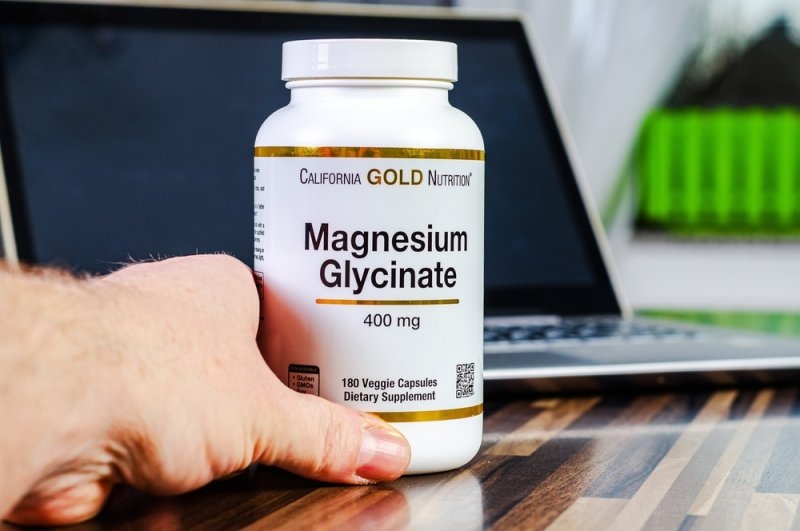
Not all magnesium is created equal. It is unnecessary to debate the benefits of magnesium glycinate for women. Magnesium glycinate pairs magnesium with glycine (an amino acid), and your body soaks it right up—it’s way more absorbable than cheaper forms like magnesium oxide.
Even better, it’s gentle on your gut and unlikely to cause any stomach drama, while the glycine itself helps you wind down mentally, making it perfect before bed.
Does Magnesium Help with Menopause and Perimenopause?
The hormonal rollercoaster in midlife brings hot flashes, brain fog, and weaker bones. Magnesium for menopause offers critical support, both physically and emotionally.
Building Bone Strength
An estrogen drop means your risk of osteoporosis skyrockets. Magnesium makes sure calcium goes into your bones—not your arteries. Research shows postmenopausal women with higher magnesium have stronger hips and spines.
Smoothing Mood Swings and Hot Flashes
Magnesium stabilizes brain chemicals and calms your central nervous system, making mood swings less intense and taming hot flashes.
What Are the Best Magnesium-Rich Foods for Women?
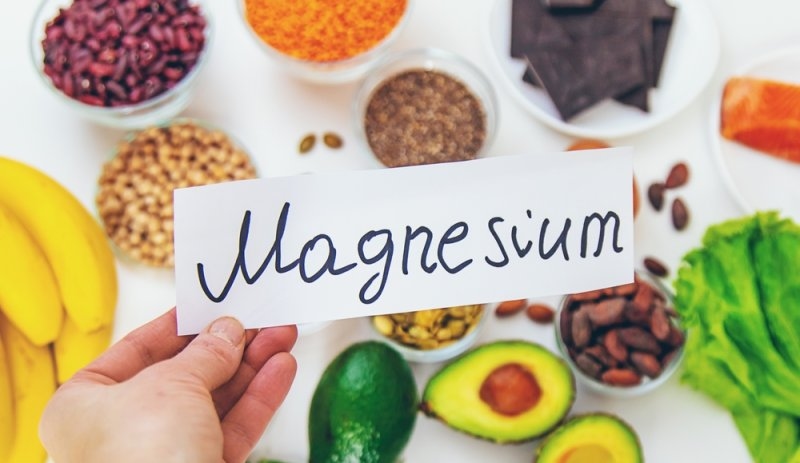
You can start right at the grocery store with magnesium-rich foods for women. Here’s where to focus:
- Pumpkin seeds—just a quarter cup gives you almost 40% of your daily need.
- Spinach and other cooked leafy greens—they’re fast-absorbing and packed with minerals.
- Dark chocolate (look for 70%+ cocoa)—treat yourself to magnesium plus antioxidants.
- Almonds and cashews—snack on these for steady, lasting energy.
- Black beans and other legumes—good for digestion and replenishing depleted stores.
Conclusion
Health isn’t about big, overwhelming changes. It’s small, daily actions that add up. Magnesium shapes your energy, mood, bones, and more. It relaxes cramps, steadies mood swings, protects your heart, and supports healthy insulin and migraines. Food comes first, but magnesium glycinate is a gentle, potent backup.
Looking after yourself doesn’t have to be complicated. Feed your body what it truly needs, and you’ll feel real, lasting energy and clarity. You deserve to wake up sharp and strong every single day.
Ready to feel steady and pain-free again? Start by making magnesium part of your daily routine. Notice the small signs your body gives you, adjust as you go, and let yourself enjoy what real wellness feels like.
FAQs
What are the Most Recommended Daily Magnesium for Women?
Most adult women need 310–320 mg of magnesium daily—food and supplements combined. If you’re pregnant, aim for at least 350 mg to support your baby’s growth and your own health. Always check with your healthcare provider so you know your body’s exact needs.
How Do You Know If You’re Low on Magnesium?
Early red flags include constant muscle twitching, eye spasms, random fatigue, loss of appetite, and feeling mildly sick to your stomach. Maybe you get more headaches, toss and turn at night, or feel extra irritable. Blood tests aren’t always reliable, so pay close attention to how your body feels—it usually tells you first.
What is the Best Time of Day to Take Magnesium?
Timing depends on your supplement and your goals. Magnesium glycinate works wonders if you take it 30–60 minutes before bed—it’ll relax your muscles and help you drift off. If you take magnesium with meals earlier in the day, it smooths digestion and keeps your energy steadier, with no risk of dragging you down during daylight hours.
Can You Overdo Magnesium?
You can eat all the magnesium-rich foods you want—your body’s great at flushing out extra. But too much from supplements can cause diarrhea, stomach cramps, or low blood pressure. Generally, keep supplement doses under 350 mg daily, unless your doctor suggests more.
How Long Until You Feel Magnesium Working?
Some women notice better sleep or less anxiety in just a few days. But undoing a bigger deficiency or changing stubborn issues (like cramps or weak bones) usually takes 4–12 weeks of consistent effort. Give your body some time—it rewards consistency with real improvement.
This content was created by AI