Empowering Women's Lifestyle Tips for a More Balanced Life


Key Takeaways
- Empowering women's lifestyle tips can center on concrete practices like proper sleep, activity, diet, boundaries, and supportive structures instead of perfection.
- Healthy self-care should be sustainable by being realistic about actual time constraints, energy levels, obligations, and phases in life.
- Systems that include regular walks, planned meals, screen-free time, and community involvement can enable consistent healthy decisions.
Women are often expected to perform at full speed while carrying invisible mental, emotional, and practical loads. Empowering women's lifestyle tips are most useful when they help you sleep better, think clearer, set boundaries, and care for your body without turning life into another impossible project.
This guide is for women who want grounded wellness, not perfection. You’ll find practical routines, real-life examples, and self-care advice you can adjust for work, caregiving, study, relationships, health changes, and personal ambition.
Wellness Advice for Women That Fits Real Life
A strong wellness routine starts with the basics that affect mood, hormones, appetite, and focus: sleep, movement, food, sunlight, and connection. The CDC recommends at least 150 minutes of moderate activity weekly, but that can be split into 10-minute walks, short strength sessions, or active errands.
Use a “minimum baseline” instead of an all-or-nothing plan. On a hard day, that may mean drinking two full bottles of water, eating one protein-rich meal, and taking a 12-minute walk after lunch; on a better day, you can add stretching, meal prep, or a longer workout.
Healthy Living for Women with Flexible Routines
The most realistic form of healthy living for women leaves room for menstrual cycles, busy weeks, travel, and caregiving. Track patterns for one month: sleep hours, energy dips, cravings, workouts, and stress triggers. That simple record helps you plan demanding tasks for higher-energy days and reduce guilt on slower ones.
Daily Self-Care That Protects Your Energy
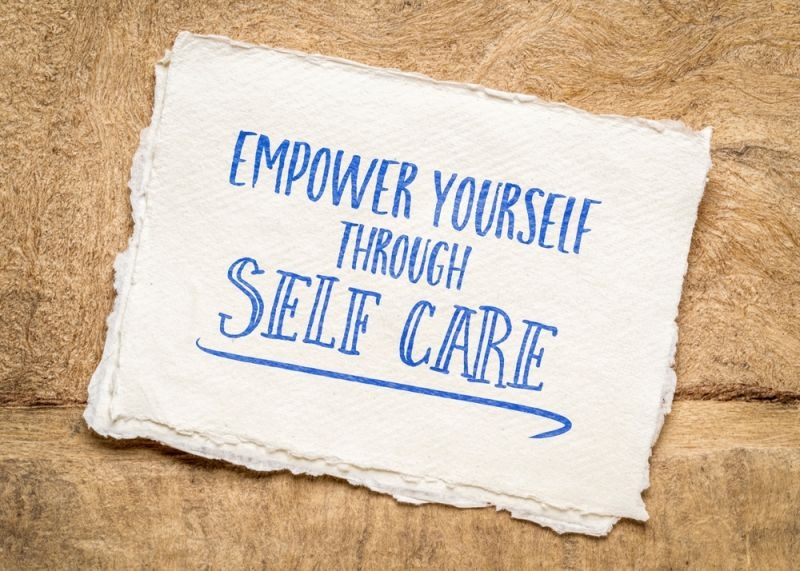
Self-care is not only baths, candles, or quiet mornings, though those can help. It’s also paying bills on time, booking screenings, saying no before resentment builds, and making your home easier to function in at 7 p.m. when you’re tired.
Try a weekly 30-minute reset every Sunday or Monday. Choose three non-negotiables for the week, such as two workouts, one grocery run, and one evening with no social plans. Keep the list short enough that success feels possible.
Self-Care Tips for Women With Packed Schedules
Useful self-care tips for women should reduce pressure, not create another checklist. Pair care with habits you already have: stretch while coffee brews, breathe slowly during a commute, prep tomorrow’s breakfast while dinner cooks, or put your phone outside the bedroom 20 minutes before sleep.
Inspiring Stories for Women's Lifestyle Choices
Real change rarely begins with a dramatic announcement. For example, a 42-year-old manager might start by blocking lunch on her calendar three days a week, then use that time to walk, eat without her laptop, or call her mother.
Another example: a single mother studying at night stopped aiming for two-hour study blocks. She used 25-minute sessions after her child slept, three nights a week, and passed a certification exam after four months. Inspiring stories for women's lifestyle become powerful when they show small choices repeated under real constraints.
What Real Change Often Looks Like
Progress often looks boring from the outside. It may be a woman leaving a group chat that drains her, asking a partner to handle school forms, returning to therapy, or saving $20 a week in a private account. That is women's empowerment through lifestyle in practical form: more agency, fewer apologies, and better support.
Build Supportive Systems Around Your Goals
Motivation rises and falls, so your environment has to carry some of the weight. Put walking shoes by the door, keep high-protein snacks in your bag, schedule annual checkups before your calendar fills, and set app limits during your most distracted hours.
Healthy living for women also depends on social design. Tell one trusted person what you’re working on, whether it’s sleep, exercise, finances, confidence, or another personal goal. A specific request works better than a vague hope: “Please text me Tuesday night to ask if I booked the appointment.”
Small Systems That Remove Daily Friction
Use this simple planning table to connect common goals with low-effort systems. The aim is not to control every minute; it’s to make the better choice easier when you’re busy, emotional, or tired.
| Goal | Low-friction system | Time needed |
| Eat steadier meals | Cook one protein twice weekly and reuse it in bowls, wraps, or salads | 30 minutes |
| Move more | Schedule three 15-minute walks after meals | 45 minutes weekly |
| Protect mental space | Set one phone-free hour before bed | 7 hours weekly |
| Stay connected | Send two voice notes instead of scrolling during breaks | 10 minutes |
Good systems should feel almost too small at the start. After two steady weeks, you can increase the effort by 10 to 20 percent, such as adding five minutes to walks or preparing one extra meal. Wellness advice for women works best when it respects energy, money, time, and culture.
Must Read: Financial Independence for Women With Everyday Strategies
Bottom Line: Empowering Women's Lifestyle Tips That Last
Empowering women's lifestyle tips should help you build a life that feels healthier, calmer, and more self-directed without demanding perfection. The strongest routines are repeatable, personal, and honest about your season of life.
Start with one body habit, one boundary, and one support system this week. Self-care tips for women, steady wellness practices, and real examples all point to the same lesson: lifestyle change lasts when it gives you more energy than it takes. That is women's empowerment through lifestyle at its most useful.
Frequently Asked Questions
How can I start improving my lifestyle without feeling overwhelmed?
Start with one habit that affects your whole day, such as sleep, breakfast, or a short walk. Keep it small for two weeks before adding anything else. A realistic start builds confidence faster than a dramatic plan that collapses by Thursday.
What is the best self-care habit for busy women?
Protecting sleep is often the highest-return habit because it affects mood, hunger, focus, and patience. Set a steady bedtime target, reduce phone use before bed, and prepare tomorrow’s essentials earlier. Even 30 extra minutes of rest can change the next day.
How do I stay consistent when my schedule changes often?
Create a flexible version of each habit: full, medium, and minimum. A full workout may be 45 minutes, a medium one 20 minutes, and a minimum one five minutes of stretching. This keeps the identity of the habit alive during unpredictable weeks.
Can lifestyle changes really support women’s confidence?
Yes, because confidence often grows from repeated proof that you can trust yourself. Keeping promises around health, money, boundaries, and rest builds self-respect. Small actions may look ordinary, but they gradually change how you speak, choose, and recover.
How can women find time for self-care amidst all their commitments?
Think of self-care not as a reward for completing other things but as an essential routine. Begin by taking smaller steps like walking for five minutes, having a quiet meal, sleeping early, or disconnecting from your devices for 10 minutes.
This content was created by AI