What Causes Irregular Periods, and How Can You Treat Them?

Quick Takeaways
- Irregular periods occur when cycle length varies widely or flow changes drastically.
- Hormonal shifts during perimenopause or after stopping birth control alter cycle timing.
- High stress levels release cortisol, which directly disrupts reproductive hormone cycles.
- Identifying underlying causes like polycystic ovary syndrome guides targeted treatment.
- Maintaining balanced nutrition and healthy exercise routines supports menstrual regularity.
Experiencing irregular periods can cause immediate concern, especially when your monthly cycle suddenly shifts without warning. According to clinical data published by the Cleveland Clinic, abnormal menstruation affects up to thirty percent of individuals of reproductive age worldwide. Watching your cycle fluctuate brings emotional stress, whether you are trying to conceive or simply managing daily wellness.
Tracking unexpected symptoms or dealing with delayed cycles often leaves you feeling disconnected from your body. You deserve clear, compassionate answers to regain confidence in your reproductive health.
In this comprehensive guide, we explore primary irregular period causes, review key irregular period symptoms, examine how lifestyle choices influence cycles, and detail safe steps to bring balance back to your monthly routine.
What are irregular periods?
Understanding baseline menstrual health helps you identify when your cycle deviates from normal parameters.
A typical menstrual cycle lasts between twenty-one and thirty-five days, with bleeding lasting two to seven days. Periods are considered irregular if the time between cycles changes constantly, bleeding becomes unusually heavy or light, or cycles stop entirely for several months.
What are Irregular Periods' symptoms?
Paying close attention to physical signals allows you to detect subtle body shifts early. Common irregular period symptoms include:
- Unpredictable Cycle Lengths: Cycles that arrive earlier than twenty-one days or later than thirty-five days apart.
- Missed or Skipped Periods: Absence of menstruation for one or more consecutive months without pregnancy.
- Drastic Changes in Flow: Experiencing abnormally heavy bleeding that requires changing products every hour, or extremely light spotting.
- Unexpected Intermenstrual Bleeding: Spotting or light bleeding occurring between your normal monthly cycles.
- Severe Pelvic Cramping and Pain: Discomfort that is significantly more intense than typical menstrual cramps.
- Bleeding Lasting Longer Than Normal: Menstrual flow extending beyond seven consecutive days.
What Causes Irregular Periods?
Identifying specific triggers behind abnormal periods makes finding targeted solutions much easier.
Stress and Daily Lifestyle Pressure
When asked if stress can cause irregular periods, the short answer is yes. High emotional or physical stress triggers the release of cortisol. Excess cortisol interferes with the hypothalamus, the brain region regulating reproductive hormones like estrogen and progesterone.
Irregular Periods and Hormonal Imbalance
Conditions such as polycystic ovary syndrome, thyroid disorders, and hyperprolactinemia alter natural hormone levels. These conditions disrupt ovulation, causing delayed, unpredictable, or absent cycles.
Transitioning Off Contraception
Experiencing irregular periods after stopping birth control is extremely common. Your ovaries need time to resume synthetic-free hormone production, often requiring three to six months for cycles to stabilize naturally.
Perimenopausal Reproductive Shifts
Having irregular periods during perimenopause is a natural transition for individuals in their late thirties or nineties. Fluctuating estrogen levels lead to unpredictable cycle intervals before menstruation stops completely.
Can Irregular Periods Affect Pregnancy and Fertility?
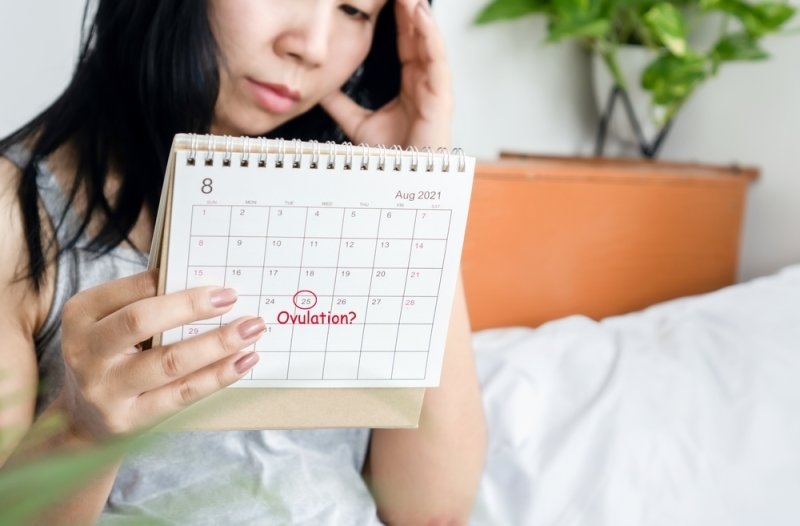
Unpredictable cycles directly impact reproductive planning by making ovulation timing difficult to anticipate.
Irregular ovulation reduces the number of fertile windows available each year. Furthermore, underlying issues causing cycle variations, such as hormonal imbalances or thyroid dysfunction, may impair egg quality or uterine lining readiness. Working closely with healthcare providers helps address these underlying factors to improve fertility outcomes.
Must Try: Best Sanitary Products—Tampons, Menstrual Cups, Sanitary Pads
How to Regulate Irregular Periods Naturally and Medically?
Restoring predictable cycle patterns requires a balanced combination of healthy daily habits and professional care.
- Manage Stress Through Mindfulness: Incorporate yoga, meditation, and adequate sleep to lower cortisol levels and support hormonal stability.
- Maintain Balanced Nutrition: Consume whole foods rich in iron, healthy fats, and essential vitamins to nourish endocrine organs.
- Engage in Moderate Exercise: Avoid extreme overtraining, which can stop ovulation, and choose sustainable workouts like walking, swimming, or cycling.
- Consult Healthcare Professionals: Dentists, gynecologists, and primary care providers can prescribe hormone therapy or address underlying conditions effectively.
When Should You Consult a Healthcare Professional?
Knowing when to seek medical evaluation prevents minor hormonal imbalances from developing into larger health issues.
Schedule an appointment if your period suddenly stops for more than ninety days, if bleeding lasts longer than seven consecutive days, or if you soak through pads hourly. Furthermore, consult your doctor if you experience severe pain, fever, or unusual discharge alongside cycle disruptions.
Conclusion
Taking proactive steps to understand and care for your reproductive system empowers you to make informed wellness choices. Throughout this guide, we defined how cycle variations manifest, examined major irregular period causes such as stress and hormonal shifts, and discussed how conditions like polycystic ovary syndrome impact overall health.
We also covered practical lifestyle adjustments and medical avenues to help restore natural balance safely. By prioritizing stress management, balanced nutrition, and professional guidance, you cultivate long-term vitality and bodily harmony.
Navigating your personal health journey becomes seamless when you have access to trusted, empathetic lifestyle resources. Elevating your daily wellness routine with insightful guidance, expert health advice, and supportive community stories helps you stay informed through every life stage. Discover uplifting women's health insights, holistic lifestyle strategies, and empowering wellness updates today at Women Wire.
FAQs
Can Extreme Weight Changes Disrupt Menstrual Regularity?
Rapid weight loss or significant weight gain disrupts hormone production dramatically. Low body fat levels reduce estrogen production, causing periods to stop entirely. Conversely, excessive fat tissue produces extra estrogen, leading to heavy, unpredictable bleeding patterns.
How Does Polycystic Ovary Syndrome Impact Ovulation?
Polycystic ovary syndrome creates an excess of androgen hormones, which prevents ovarian follicles from maturing and releasing eggs regularly. This lack of ovulation leads to lengthened, unpredictable cycles, missed periods, and potential fertility challenges.
Can Sleep Deprivation Disrupt Reproductive Hormones?
Inconsistent sleep schedules disrupt your circadian rhythm, which directly regulates hormone secretion. Poor sleep quality increases stress hormones and alters luteinizing hormone levels, causing irregular ovulation and cycle delays.
Are Heavy Blood Clots Normal During Abnormal Periods?
Passing small blood clots occasionally is considered normal, but frequent large clots indicate unusually heavy bleeding. Heavy flow with large clots warrants medical evaluation to check for uterine fibroids, polyps, or hormonal imbalances.
Does Drinking Herbal Tea Help Regulate Cycles?
Certain herbal teas like ginger, chamomile, and cinnamon may help soothe uterine cramping and promote blood circulation. While herbal remedies offer mild comfort, they should complement professional medical advice when treating persistent cycle disruptions.
This content was created by AI