What is Adenomyosis, and How is it Treated in Women?

Quick Takeaways
- Adenomyosis is a noncancerous gynecological condition where endometrial tissue grows into the muscular wall of the uterus.
- Clinical studies show that up to one in five women suffer from this condition during their reproductive years.
- Chronic pelvic pain, severe cramping, and heavy menstrual bleeding serve as primary warning indicators for affected individuals.
- Advanced imaging like pelvic MRI and specialized transvaginal ultrasound allows physicians to deliver an accurate diagnosis.
- Treatment plans range from hormonal therapies and uterine artery embolization to definitive surgical interventions like hysterectomy.
Living with persistent pelvic pain can feel exhausting, isolating, and deeply overwhelming. Many women suffer in silence for years while believing that debilitating cramps are simply a normal part of their monthly cycle. However, research published in medical journals indicates that Adenomyosis affects roughly 20% of women globally. This common yet underdiagnosed condition causes the lining of the uterus to grow directly into its muscular outer wall, leading to an enlarged and tender uterus.
When misplaced endometrial tissue behaves normally during each menstrual cycle, it thickens, breaks down, and bleeds inside the muscle. This internal bleeding triggers painful inflammation, severe pressure, and heavy flow.
In this guide, we break down what causes this condition, compare focal and diffuse forms, explain diagnostic steps, evaluate fertility impacts, and review proven management solutions.
What is Adenomyosis?
Adenomyosis occurs when the tissue that normally lines the uterine cavity, known as the endometrium, burrows deep into the muscular wall, called the myometrium. The displaced tissue continues to respond to hormonal fluctuations throughout each menstrual cycle. Consequently, the uterine muscle thickens and swells, often doubling or tripling in size over time.
While the condition remains noncancerous, its impact on daily life can be profound. Women often experience localized tenderness, severe pressure in the lower abdomen, and chronic pelvic discomfort that worsens during menstruation.
What Causes Adenomyosis in Women?
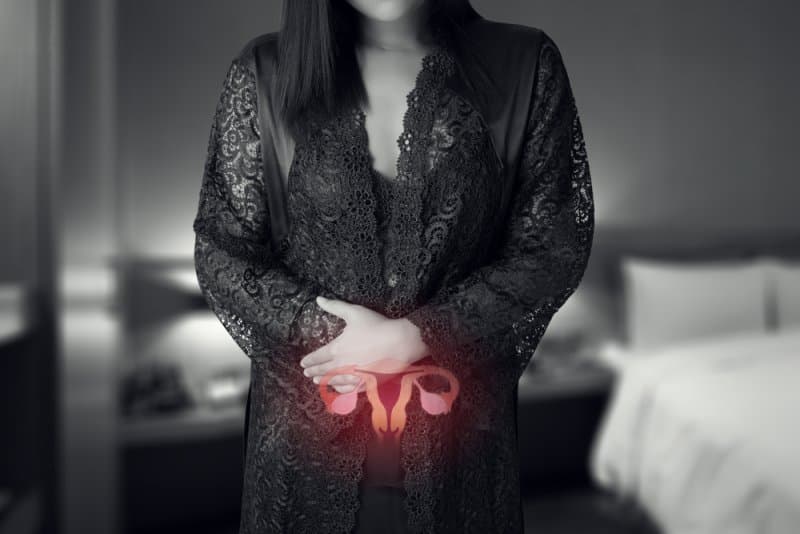
Healthcare experts continue to study the exact mechanisms behind what causes adenomyosis. Current medical theories point to several key physiological triggers and mechanisms that disrupt normal uterine boundaries.
Endometrial Tissue Invasion
The primary theory suggests that endometrial cells directly invade the surrounding myometrial muscle layers. This occurs when the junctional zone between the lining and the muscular wall becomes weakened or disrupted.
Uterine Inflammation From Surgery or Childbirth
Uterine incisions and trauma from surgical procedures can disrupt the boundary between the endometrium and myometrium. Common triggers include:
- Cesarean deliveries (C-sections)
- Surgical removal of uterine fibroids (myomectomy)
- Dilation and curettage (D&C) procedures
- Childbirth-related uterine stretching and inflammation
Developmental Origin
Another medical theory proposes that endometrial tissue deposits form within the uterine muscle during fetal development. These microscopic tissue rests remain dormant until puberty, when rising hormone levels stimulate them to grow and bleed.
Stem Cell Origin
Recent scientific research suggests that adult stem cells residing in the uterine bone marrow or muscle wall may transform into endometrial-like tissue, giving rise to localized adenomyosis lesions.
Hormonal and Immune Factors
Elevated estrogen levels play a crucial role in driving tissue proliferation. Additionally, local uterine inflammation, altered immune responses, and elevated prostaglandins stimulate tissue growth and worsen chronic pelvic pain.
Try This: Empowering Women's Wellness Guide to Better Well-Being
What are the Key Symptoms of Adenomyosis in Women?
Recognizing early symptoms of adenomyosis in women helps patients seek timely medical intervention before severe pain impairs daily activity.
Adenomyosis Symptoms to Watch For
- Chronic pelvic pain that radiates toward the lower back and thighs.
- Severe pelvic cramping that intensifies during monthly menstruation.
- Painful sexual intercourse, known medically as dyspareunia.
- Abdominal bloating, pressure, and a feeling of heaviness in the lower belly.
Adenomyosis and Heavy Menstrual Bleeding
A major hallmark of this condition involves Adenomyosis and heavy menstrual bleeding. Women often experience prolonged periods that last longer than seven days, along with passing large blood clots. Over time, excessive blood loss can cause iron deficiency anemia, leading to fatigue, dizziness, and shortness of breath.
What is the Difference Between Focal and Diffuse Adenomyosis?
Radiologists classify the condition into two distinct structural patterns depending on how the tissue distributes throughout the uterus. Understanding the difference between focal and diffuse adenomyosis helps doctors select the most effective treatment approach.
- Focal Form: Displaced tissue forms localized nodes called adenomyomas within a specific area of the uterine muscle wall.
- Diffuse Form: Endometrial tissue spreads widely throughout the entire muscular wall, causing uniform enlargement across the uterus.
Can Adenomyosis Affect Fertility and Pregnancy Outcomes?
Women planning a family frequently ask, can adenomyosis affect fertility and pregnancy? Medical research indicates that chronic inflammation and uterine wall thickening can interfere with embryo implantation.
Additionally, altered muscular contractions inside the swollen uterus may increase the risk of early pregnancy loss, preterm labor, or fetal growth restriction. Fortunately, tailored hormonal treatments and reproductive technologies like IVF help many women conceive successfully.
How is Adenomyosis Diagnosed and Treated?
Obtaining an accurate diagnosis requires a comprehensive evaluation by an experienced gynecologist. Modern imaging technologies have made noninvasive diagnosis highly accurate.
Diagnostic Evaluation Methods
- Pelvic Ultrasound: Transvaginal ultrasound allows doctors to examine the thickness of the uterine wall and identify tissue changes.
- Pelvic MRI: Magnetic resonance imaging provides high-resolution pictures that clearly differentiate between fibroids and localized tissue deposits.
Treatment Options for Pain Relief
Medical options for Adenomyosis diagnosis and treatment depend heavily on symptom severity, age, and future family planning goals.
- Hormonal Therapies: Progestin-releasing IUDs, birth control pills, and GnRH agonists suppress estrogen production to shrink endometrial tissue and reduce heavy bleeding.
- Uterine Artery Embolization: Radiologists block the blood supply to the affected uterine tissues, causing them to shrink without surgery.
- Hysterectomy: Surgical removal of the uterus provides a definitive cure for women who have completed childbearing and experience intractable pain.
Must Try: Things To Consider Before You Plan Your Pregnancy
Conclusion
Navigating a gynecological condition can feel overwhelming, but clear medical insights empower you to take charge of your body. Throughout this article, we examined how misplaced tissue invades the uterine muscle wall, giving rise to intense pelvic pressure and severe cramping. We covered the primary triggers behind the condition, highlighted the structural differences between focal and diffuse tissue growth, and discussed how swollen uterine muscles impact reproductive outcomes. Furthermore, we reviewed modern diagnostic imaging tools alongside hormonal and surgical relief options.
Living with chronic menstrual pain is not something you simply have to endure. Accurate diagnosis and personalized care plans can significantly restore your energy, comfort, and daily quality of life.
If you experience unusually heavy periods or severe pelvic discomfort, schedule an appointment with a dedicated healthcare professional today to evaluate your options and find lasting relief.
FAQs
Can exercise help reduce adenomyosis symptoms?
Engaging in regular low-impact exercise like walking, swimming, or yoga stimulates blood circulation throughout the pelvic region. Physical movement releases endorphins, which act as natural pain relievers. Regular activity also helps lower systemic inflammation and balance estrogen levels, offering natural support alongside your medical treatment plan.
Does adenomyosis go away naturally after menopause?
Because this condition depends heavily on circulating estrogen levels, symptoms typically subside naturally after menopause. When a woman stops menstruating and estrogen production drops significantly, the misplaced endometrial tissue shrinks and stops bleeding. As a result, chronic pelvic pain and pressure usually fade completely over time.
How does adenomyosis differ from endometriosis?
While both conditions involve misplaced endometrial tissue, they occur in completely different anatomical locations. In adenomyosis, the tissue grows directly into the muscular wall of the uterus itself. In endometriosis, the tissue grows outside the uterus, attaching to ovaries, fallopian tubes, and pelvic lining tissues.
Can diet changes help manage inflammation from this condition?
Adopting an anti-inflammatory diet rich in leafy greens, omega-3 fatty acids, berries, and whole grains can help lower pain levels. Reducing your intake of processed foods, refined sugars, red meat, and alcohol minimizes inflammatory responses, helping ease monthly cramping and pelvic swelling.
Are there non-hormonal pain medications available for daily management?
Nonsteroidal anti-inflammatory drugs, such as ibuprofen or naproxen sodium, offer effective non-hormonal relief. Taking these medications a day or two before your period begins reduces prostaglandin production in the uterus, directly lessening muscular cramping and curbing excessive menstrual bleeding during your cycle.
This content was created by AI