What Is Micromodal Fabric and How Is It Made Today?

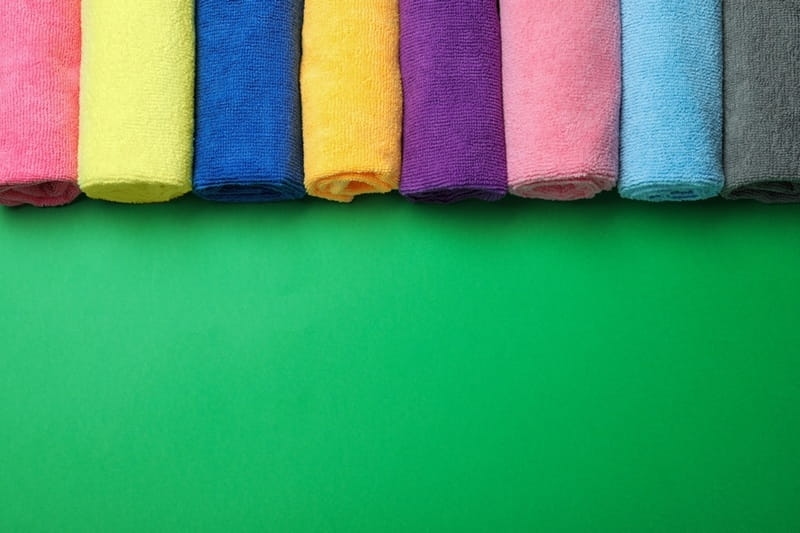
Soft clothes have a way of changing your mood. You pull on a T-shirt, and suddenly the day feels easier. That feeling is often tied to fabric choice, and micromodal fabric has quietly become one of those materials people fall in love with without realizing why. This blog breaks down what is micromodal, how it is made today, why it feels so good on skin, and where it fits into the bigger conversation around sustainable fabrics. Along the way, we will compare modal vs micromodal, talk about comfort, and explain why this soft, breathable fabric keeps showing up in underwear drawers, loungewear racks, and even luxury basics.
Micromodal Fabric Explained From The Ground Up
Micromodal fabric has earned its reputation through feel first, science second. Still, understanding its roots helps explain the hype.
What Is Micromodal And Why People Love It
So, what is micromodal exactly? It is a refined version of modal, a fiber made from beechwood pulp. Micromodal fibers are spun even finer than standard modal fibers. Think of the difference between regular flour and superfine pastry flour. Same source, different texture.
Because the fibers are thinner, the fabric drapes better, feels smoother, and sits gently on the skin. That is why micromodal fabric often shows up in underwear, sleepwear, base layers, and baby clothing. People describe it as silky but not slippery, cozy but not heavy. Honestly, that balance is hard to find.
Where Micromodal Fits In Modern Wardrobes
Micromodal fabric is not flashy. It does not scream for attention. Instead, it quietly replaces fabrics people used to tolerate. Cotton tees get swapped for micromodal ones. Stiff pajamas turn into soft, breathable fabric that you want to wear all weekend.
In the US market, brands focused on comfort-driven fashion, think MeUndies, Tommy John, or premium athleisure labels, lean heavily on micromodal blends. Comfort sells, especially when people spend more time at home or want clothes that move easily from couch to errands.
Read More: Top 5 Fabrics for Women’s Sleep Attire: Which One Is For You
How Micromodal Fabric Is Made Today
The making of micromodal fabric blends natural origins with modern engineering. It sounds technical, but the idea is pretty straightforward.
From Beech Trees To Fiber
Micromodal fabric starts with responsibly grown beech trees. These trees grow quickly and need less water than many cotton crops. The wood is chipped and turned into pulp. That pulp becomes the raw material for fiber production.
Here’s the thing. Not all plant-based fabrics are equal. The quality of micromodal fabric depends heavily on how carefully this step is managed. Leading producers use closed-loop systems that recover most of the solvents used during processing. That matters for sustainability, which we will circle back to soon.
Spinning Finer Fibers For Extra Softness
Once the pulp is processed, it is spun into fibers. This is where micromodal separates itself from standard modal. The fibers are made thinner, smoother, and more consistent. Finer fibers mean more surface area, which translates to better moisture control and a softer hand feel.
It is a bit like combing hair more carefully. The end result just feels better.
Modern Production And Quality Control
Today’s micromodal fabric production uses precise controls to ensure fiber strength despite the thinness. That strength is why micromodal holds up well to washing and stretching, especially when blended with a touch of elastane.
Manufacturers test for pilling, color retention, and shrinkage. For consumers, this means clothes that stay soft wash after wash. You know that favorite shirt you reach for again and again? That is usually not an accident.
Micromodal Fabric Benefits You Can Actually Feel
Fabric benefits often sound abstract until you wear them. Micromodal fabric benefits show up fast.
A Soft Breathable Fabric For Daily Comfort
Micromodal fabric is often described as a soft, breathable fabric, and that is not marketing fluff. The fine fibers allow air to move while also absorbing moisture efficiently. Sweat gets pulled away from the skin instead of sitting there.
This makes micromodal popular for underwear, active lounge pieces, and sleepwear. In warmer US climates, think Texas summers or humid East Coast days, breathability is not optional. It is survival.
Skin Friendly And Gentle
People with sensitive skin often gravitate toward micromodal fabric without knowing why it works. The smooth fiber surface reduces friction, which means less irritation. No scratchiness. No stiff seams digging in.
Parents notice this quickly with baby clothes. Adults notice it when they switch underwear brands and suddenly stop adjusting all day.
Durability Without Stiffness
Soft fabrics sometimes fall apart fast. Micromodal does not. Despite its delicate feel, it resists pilling better than many cotton knits. Colors stay vibrant. The fabric keeps its shape.
There is a mild contradiction here. Thin fibers sound fragile, yet the fabric lasts. That is the engineering part doing its job.
Don't miss: Avoid Sweat Patches: Know about the 6 Best and Worst Fabric for Summers
Modal Vs Micromodal: A Comparison That Matters
The modal vs micromodal conversation comes up often, especially for shoppers trying to justify the price difference.
Feel And Performance Differences
Modal is already softer than cotton. Micromodal takes that softness further. The difference is noticeable when you touch both side by side. Micromodal feels smoother, lighter, and more fluid.
When Modal Is Enough And When Micromodal Wins
Modal works well for casual tees, dresses, and blends where durability and cost balance out. Micromodal shines in garments where comfort is the main event. Underwear. Sleepwear. Base layers.
Micromodal Fabric And Sustainable Fabrics
Sustainability questions come up quickly with any semi-synthetic fabric. Fair enough.
How Micromodal Fits Sustainability Goals
Micromodal fabric often aligns well with sustainable fabrics when produced responsibly. Beech trees regenerate naturally and require less land and water than cotton. Closed-loop processing reduces chemical waste.
The Trade Off Conversation
Here’s the honest part. Micromodal is processed, not raw. Purists may prefer organic cotton or linen. But compared to many synthetic fabrics, micromodal offers a solid middle ground. Comfort, longevity, and lower environmental strain per wear.
Also Read: Unveiling the Unexpected Perks of Ditching Your Bra
Conclusion
Micromodal fabric is not a trend-chasing material. It is a response to how people actually live. Soft, breathable, durable, and thoughtfully made, it answers the quiet demand for comfort without compromise. From understanding what micromodal is to seeing how it is produced today, the story comes back to one thing. Clothes should feel good to wear. Micromodal simply delivers on that promise, one soft layer at a time.
FAQs
Is micromodal fabric better than cotton?
Micromodal fabric is softer and more breathable than most cotton. Cotton still works well, but micromodal often feels cooler and smoother on skin.
Does micromodal fabric shrink after washing?
Micromodal resists shrinkage better than many natural fabrics. Washing in cold water helps maintain its shape longer.
Is micromodal fabric good for sensitive skin?
Yes. Its smooth fibers reduce friction, making it a popular choice for people with sensitive or easily irritated skin.
Is micromodal considered eco-friendly?
Micromodal can be part of sustainable fabrics when produced responsibly. Look for brands that use certified sourcing and closed-loop processes.
This content was created by AI