How Serious is Postpartum Psychosis Among Women After Birth?


Key Takeaways
- Watch for signs like unusual thoughts, confusion, hallucinations, or extreme behavior after childbirth—these aren’t just bad days; they’re emergencies.
- If you even suspect postpartum psychosis, don’t leave the mother alone with the baby.
- If there are hallucinations, delusions, agitation, or any thoughts of harming herself or the baby, get emergency medical care right away.
- It's important to know the difference between postpartum depression and psychosis.
- Psychosis means losing touch with reality and always needs urgent help.
- Postpartum psychosis can be treated. With quick medical care and the right support, most women recover fully.
Postpartum psychosis is one of the most urgent mental health situations that can happen after giving birth. Sure, lots of new moms go through mood swings or exhaustion, and some deal with postpartum depression, but psychosis is on a different level. It's a sudden, severe break from reality, and it needs immediate care.
It’s not common—about 1 to 2 out of every 1,000 births, based on Cleveland Clinic numbers. Still, it can hit fast. When it does, it puts both mom and baby at risk if nobody acts quickly.
Since it’s rare, families usually don’t recognize the early warning signs. That’s why knowing what postpartum psychosis is, what it looks like, why it happens, and how long it lasts can really help families get fast treatment and improve the chances of recovery.
What is Postpartum Psychosis?
Postpartum psychosis is a rare but serious psychiatric condition after childbirth. The main thing? The woman loses touch with reality. Your loved ones might see/hear things that aren't really there, might develop peculiar ideas, get confused with words, or experience radical shifts in moods and personalities.
This isn’t like the “baby blues,” which fade in a week or two. Postpartum psychosis is a crisis. Without treatment, it can lead to dangerous actions, including self-harm or harming the baby.
Postpartum Psychosis Symptoms
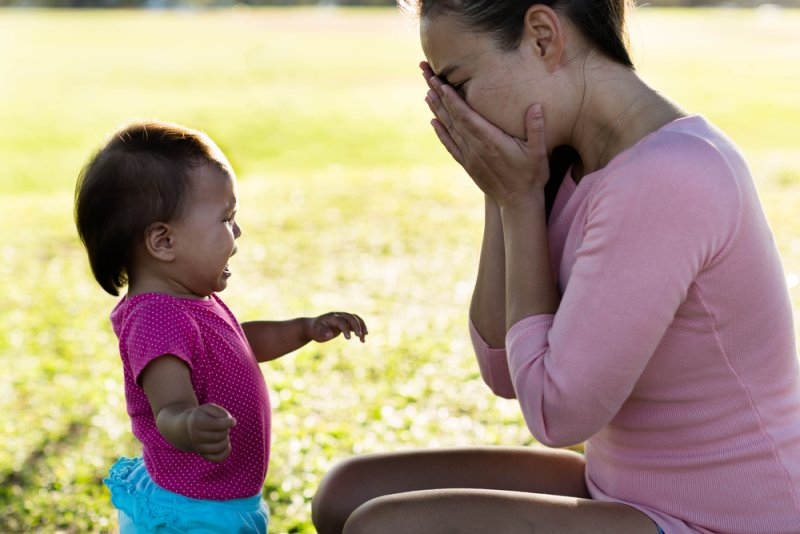
Spotting the signs early can actually save lives.
Early Signs
Symptoms can come on quickly and may include:
- Can’t sleep, even when totally exhausted
- Extreme restlessness or agitation
- Wild mood swings
- Confusion or feeling out of it
- Trouble focusing or thinking clearly
- Odd suspicions
Severe Symptoms
If things get worse, these signs show up:
- Hearing voices or seeing things that aren’t real
- Strong false beliefs (delusions)
- Thinking the baby is in danger when there’s no threat
- Feeling totally disconnected from reality
- Rambling or switching topics mid-sentence
- Thoughts of suicide or hurting the baby
If you notice hallucinations, delusions, or talk about suicide or harming the baby, treat it like a medical emergency.
Postpartum Depression vs. Psychosis
People mix these up, but they’re really different.
| Feature | Postpartum Depression | Postpartum Psychosis |
| Mood | Persistent Sadness | Break from Reality |
| Energy and Outlook | Exhaustion and Hopelessness | Severe Confusion |
| Emotional Symptoms | Anxiety and Frequent Crying | Hallucinations or Delusions |
| Awareness | Usually Knows These Feelings Are Not Normal | Often Does Not Realize Anything Is Wrong |
| Treatment Needed | Professional Care | Emergency Treatment as Quickly as Possible |
A mother with depression feels overwhelmed but knows she’s struggling. Under psychosis, you lose sight of reality, which makes it much more dangerous.
What Causes Postpartum Psychosis?
Postpartum Psychosis is something that the experts are still piecing together, but a few things might play a part:
Postnatal hormones:
Levels drop drastically after delivery because your hormones of estrogen and progesterone are high. For some, this shift triggers changes in the brain.
Bipolar disorder:
The biggest risk is having a personal or family history of bipolar disorder. Lots of women with postpartum psychosis have—or later get—a bipolar diagnosis.
Sleep deprivation:
Being extremely sleep-deprived messes with mood and can spark psychosis in those at risk. So, sleep well.
Previous postpartum psychosis:
If a woman’s had it before, she's much more likely to have it again after another birth.
How Long Does Postpartum Psychosis Last?
For the most part, the symptoms will appear between a few days and two weeks following delivery.
With quick treatment, the worst symptoms can get better in 2 to 12 weeks.
Full recovery usually takes months, and regular follow-up with a psychiatrist helps keep things on track.
The sooner treatment starts, the better the outcome.
Try This: What Every New Mom Should Know About Postpartum Hot Flashes
Treatment of Postpartum Psychosis
Since this is a true emergency, most women need to be hospitalized—at least at first.
Medications:
- Antipsychotics (to stop hallucinations and delusions)
- Mood stabilizers if there’s bipolar disorder
- Sometimes antidepressants, depending on the overall picture
Hospital care also means the following:
- Round-the-clock monitoring
- Keeping everyone safe
- Restoring sleep
- Tweaking meds quickly
- Support from mental health pros
Family Support
Families are crucial. They can:
- Get help fast—even before things get worse
- Give clear information to doctors
- Take care of the baby while mom recovers
- Offer steady, judgment-free support
What to Do if You Suspect Postpartum Psychosis
Here’s how to act, without hesitation:
- Keep everyone safe. Never leave the mother alone with the baby if she’s hallucinating, delusional, badly confused, or talking about suicide.
- Call 911 or emergency services right away. You can also get her to the ER or call her healthcare provider.
- Stay calm. Don’t get caught up debating her reality. Just reassure her and focus on getting help immediately.
Can Women Recover Fully?
Yes—they can, and they do, especially with fast, good treatment. Most go back to healthy parenting and daily life. Treatment often consists of:
- Psychiatry services on an outpatient basis
- Psychiatry treatment
- Medication management
- Sleep Support Services
- Care coordination
- Support from the community
- Counseling
- Monitoring during subsequent pregnancies
The earlier the treatment occurs, the more successful the result will be.
Conclusion
Postpartum psychosis is rare, but it's a real emergency that demands immediate help. When you know what it looks like, you’re ready to act fast and get the right help. This isn’t just exhaustion—it’s a psychiatric crisis. Hallucinations, delusions, total confusion, and violent mood changes mean you step in now, not later.
Researchers are still sorting out causes, but what works is early treatment—hospitalization, the right meds, strong psychiatric support, and a safety net at home. Many women get completely better. Knowing what to expect during the recovery phase helps, too, since some symptoms linger for months even after the worst is over.
If you need more support and information, WomenWire.com has resources for new mothers and families—everything from mental health guidance to practical tips.
If You Notice These Symptoms, Act Immediately
Confusion, hallucinations, delusions, or thoughts of self-harm after birth are medical emergencies. Don’t brush them off or “wait and see.” Call for help right away. Fast action protects both mother and baby and gives the best shot at full recovery.
FAQs
Can Postpartum Psychosis Develop After a Miscarriage or Stillbirth?
Yes. While it’s most often after birth, women can develop postpartum psychosis after miscarriage, stillbirth, or even pregnancy termination. The big hormonal swings and emotional stress are major triggers.
Is Postpartum Psychosis More Common After a First Pregnancy?
Research says yes—it’s most likely after the first pregnancy, especially in women with a history of bipolar disorder or mood issues. Still, it’s possible after later pregnancies too.
Can Breastfeeding Continue During Treatment for Postpartum Psychosis?
Sometimes, but it depends on the medication. Some antipsychotic and mood-stabilizing drugs can end up in breast milk, so doctors have to weigh the risks and benefits and decide what’s safest for both mom and baby.
Does Stress Alone Cause Postpartum Psychosis?
No, not in itself. It can be exaggerated by stress and sleep deprivation, but other causes such as hormonal changes and inherited predispositions/other psychiatric conditions are primarily to blame.
What is the Difference Between the Baby Blues and Postpartum Psychosis?
The baby blues are mild—mood swings, tears, and extra sensitivity—and usually get better in a couple of weeks. Postpartum psychosis means hallucinations, delusions, confusion, and losing touch with reality. It’s an emergency that needs immediate medical treatment.
This content was created by AI