Collagen For Skin: What Works, What’s Hype, And What To Do

Collagen is one of those skincare words that shows up everywhere. On serum bottles. On supplement jars. In every “glass skin” video. And honestly, it can get confusing fast. Is collagen something the skin absorbs? Does drinking it help? Why does everyone suddenly talk about collagen like it is a magic spell?
Here is the grounded truth: collagen matters. It plays a major role in how skin looks and feels. But not every collagen claim is equal, and not every product works the way people assume.
This guide breaks down what collagen does, why it declines, and what habits and products can support healthier-looking skin without turning skincare into a part-time job.
Collagen For Skin And Why It Matters
Collagen for skin is basically the scaffolding that helps skin stay firm, smooth, and resilient. It is a structural protein found throughout the body, but in the skin, it supports elasticity and strength. When collagen levels are healthy, skin tends to look plumper and bounce back more easily.
Over time, collagen naturally decreases. That process starts earlier than most people think, and it’s influenced by lifestyle too. Sun exposure, smoking, high stress, poor sleep, and overly aggressive skincare can all speed up how quickly collagen breaks down.
So when someone notices fine lines, dullness, or a “tired” look even after decent sleep, collagen loss might be part of the picture. Not the whole picture, but part of it.
What Causes Collagen To Break Down Faster
Aging is the obvious factor. But it is not the only one.
The biggest collagen troublemakers are:
- UV exposure, which damages collagen fibers over time
- Smoking, which reduces oxygen supply and increases breakdown
- High sugar diets, which can contribute to glycation that affects skin structure
- Chronic stress, which can disrupt skin repair mechanisms
- Poor sleep, which reduces recovery time
The good news is that some of these are changeable. Not perfectly. Not overnight. But enough to make a visible difference over months.
How To Increase Collagen With Habits That Actually Help
People ask how to increase collagen like it is a single trick. It is more like a set of small choices that build on each other.
Start with the non-negotiables:
- Daily sunscreen. If someone does only one thing for collagen, it should be this.
- Adequate protein. Collagen is a protein, and the body needs amino acids to build it.
- Vitamin C intake. It plays a role in collagen synthesis.
- Better sleep. Skin does a lot of repair work at night.
Then add the helpful extras:
- Strength training or regular movement, which supports overall tissue health
- Hydration, because dehydrated skin looks flatter and rougher
- Stress reduction, even in small doses like a daily walk or ten minutes off screens
None of this is glamorous. It is the boring stuff. The stuff that works.
Skincare Ingredients That Support Collagen
Collagen itself is a large molecule, so when it is applied topically, it usually functions more like a hydrator or skin-conditioning ingredient rather than rebuilding deep collagen structures. That does not make it useless. It can still help the skin feel smoother and more comfortable.
But if someone wants a routine that supports collagen production, the star ingredients tend to be:
- Retinoids, which support skin renewal and collagen stimulation
- Vitamin C, which supports collagen formation and brightening
- Peptides, which can support skin firmness and texture
- Niacinamide, which supports barrier health and tone
- Sunscreen, again, because protection is collagen support
This is where skincare becomes strategic. Instead of chasing every trend, the focus stays on a few proven pillars.
Choosing The Best Collagen Face Serum Without Getting Played
The phrase best collagen face serum is everywhere, but shoppers should read between the lines. Many “collagen serums” are basically hydrating serums with collagen included for marketing appeal. That can still be fine, especially if the formula feels good and supports the skin barrier.
But for results that look like smoother texture and firmer appearance, it helps to look for formulas that include:
- Peptides, especially signal peptides
- Vitamin C or stable vitamin C derivatives
- Hydrating ingredients like hyaluronic acid or glycerin
- Barrier-supporting ingredients like ceramides or panthenol
A practical tip: if a serum claims instant lifting in five minutes, take that with caution. Some products can temporarily tighten or smooth, but true collagen support takes time.
Also, people with sensitive skin should start slow. Patch test. Use a product every other day at first. Skin does not love being shocked.
On a Similar Note: Minimalist Lifestyle Principles That Simplify Daily Living
Collagen Supplements And The Realistic Expectation
Supplements are a hot topic, and it is easy to find strong opinions. Some people swear by collagen peptides. Others call it a waste.
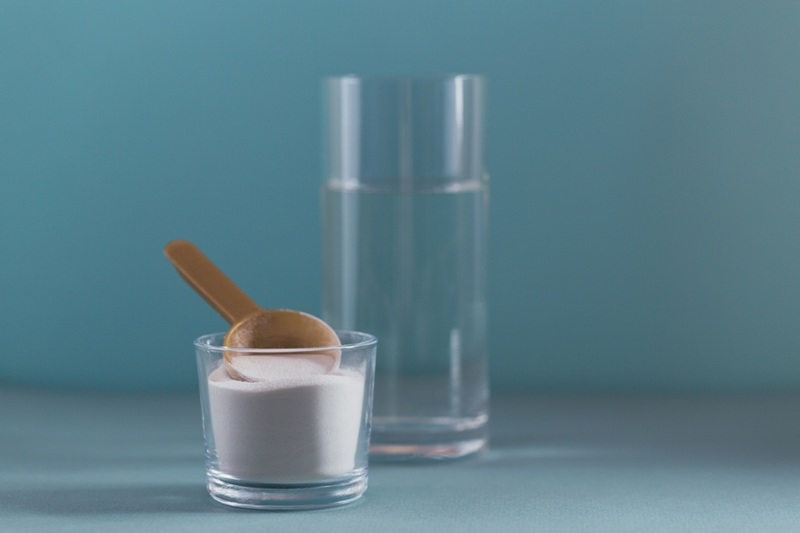
Here is the balanced view: collagen supplements may support skin hydration and elasticity for some people, especially when taken consistently. But results vary. They are not guaranteed. And they are not a substitute for sunscreen or a solid routine.
If someone tries collagen supplements, it helps to:
- Choose reputable brands with collagen peptides
- Take it daily for at least 8 to 12 weeks before judging
- Pair it with vitamin C and adequate protein intake
- Keep expectations realistic
In other words, supplements can be a supportive tool, not the foundation.
The Benefits Of Collagen For Skin That People Actually Notice
The benefits of collagen for skin often show up as subtle changes rather than dramatic transformations. People may notice their skin looks a bit more plump, fine lines look softer, and overall texture feels smoother. Some notice better hydration and less “crepey” look in certain areas.
It is also worth mentioning that collagen support is often connected to barrier health. When the skin barrier is strong, skin looks calmer, more even-toned, and less reactive. And because skincare is rarely one-factor, the biggest “collagen glow” often comes from a combo: sun protection, hydration, and a few targeted actives.
A Simple Collagen-Friendly Routine For Most Skin Types
A routine does not need to be complicated. A realistic, low-drama routine might look like this:
Morning:
- Gentle cleanser or water rinse
- Vitamin C serum or niacinamide
- Moisturizer
- Sunscreen
Night:
- Gentle cleanser
- Retinoid or peptide serum
- Moisturizer
This is also where people asking how to increase collagen often go wrong. They stack too many actives and irritate their skin, which creates inflammation and slows progress. Calm, consistent routines tend to win.
Lifestyle Moves That Help Skin Look Better Faster
If someone wants visible improvements, these lifestyle choices help a lot:
- Daily sunscreen on face, neck, and hands
- Balanced meals with protein and colorful produce
- Sleep consistency more than “sleep perfection”
- Fewer cigarettes, less alcohol, less late-night stress scrolling
- Regular movement
It is not exciting advice. But it is the advice that actually changes skin quality over time.
Mistakes People Make When Chasing Collagen Results
Here are the common traps:
- Skipping sunscreen while buying expensive serums
- Over-exfoliating and damaging the barrier
- Expecting results in one week
- Buying the strongest retinoid immediately and getting irritated
- Confusing hydration with collagen rebuilding
If skin gets red, flaky, or stings, that is a sign to slow down. Healthy skin builds collagen better than irritated skin. Period.
Read More: What is Microneedling for Face & How It Actually Works?
Conclusion: Where Collagen Fits In The Bigger Skincare Picture
Collagen is important, but it is not the only goal. Skin needs hydration, barrier support, and protection from damage. Once those are in place, collagen-supporting habits and actives work better.
And yes, a good best collagen face serum can be part of that. But it should support the routine, not replace it.
The long game is usually the best game. Most people do not want “perfect.” They want skin that looks rested, feels smooth, and holds up well through stress, weather, and time. That is achievable.
FAQs
How Long Does It Take To See Collagen Results
Most people notice changes in skin texture and firmness after 8 to 12 weeks of consistent sunscreen use and collagen-supporting skincare habits.
Can Collagen Serum Really Build Collagen In Skin
Topical collagen mainly hydrates and conditions the skin. Ingredients like retinoids, vitamin C, and peptides are more directly linked to supporting collagen production.
What Is The Best Way To Increase Collagen Naturally
Daily sunscreen, enough protein, vitamin C, good sleep, and a gentle routine with collagen-supporting actives are the most reliable natural approaches.
This content was created by AI