Causes and Treatments for Chronic Fatigue Syndrome in Women


Feeling tired after a long week is normal. Being exhausted all the time, even after sleep, is not normal. Many women push through fatigue for months, sometimes years, thinking stress, work, parenting, or age is behind it. Yet something deeper may be going on. Chronic fatigue can slowly change daily life — work feels harder, simple tasks stretch out, and focus slips.
For some women, the problem turns into something much more stubborn and disruptive. In this blog, we will talk about causes, symptoms, risk factors, treatment options, and ways of managing chronic fatigue syndrome in women.
Understanding Chronic Fatigue Syndrome in Women
Chronic fatigue syndrome in women is a long-term condition marked by severe exhaustion that does not improve with rest. Sleep may happen, yet the body still feels drained. Some women describe it as carrying invisible weight all day. Heavy. Constant.
The condition is also called myalgic encephalomyelitis or ME/CFS. It affects women more often than men, particularly between their 30s and 50s, though younger women may experience it too.
What is Chronic Fatigue Syndrome, and Why Does it Feel Different?
Many people ask, what is chronic fatigue syndrome exactly? It is more than tiredness. Much more.
This condition drags people down with relentless fatigue—mind and body—lasting six months or more. It doesn't come alone, either. There are other symptoms, and they really mess with daily life. Some women fight just to get through work. Others feel wiped out by something as simple as grocery shopping.
Common signs may include:
- Persistent tiredness that rest does not fix. Energy feels low from morning to night, even after sleeping enough. Some days improve a little, and the next day, crashes happen again.
- Brain fog or poor focus. Forgetting words, struggling to process thoughts, losing concentration during simple tasks — this often frustrates women trying to manage work or family life.
- Muscle pain, headaches, dizziness, plus sleep that feels unrefreshing. A person sleeps eight hours but wakes up feeling as if no rest happened at all.
A key symptom is post-exertional malaise.
Don't Miss: Cryotherapy Facial for Skin Rejuvenation: Benefits & Cost
Common Causes Behind Chronic Fatigue Syndrome
Doctors aren’t on the same page about what causes all this. That muddle makes it tough to diagnose. Instead of one clear culprit, it’s a tangle of factors that overlap and pile up.
Hormonal and Immune-Related Factors in Women
Hormones make things even trickier, especially for women. They’re hit harder by this illness, and you see it flare up during hormonal shifts—pregnancy, menopause, and even monthly cycles can make everything feel worse.
Researchers also closely examine hormonal and immune factors because some women exhibit immune system irregularities. The body may react differently after infections or long-term inflammation.
Viral Infections and Illness Triggers
Some women notice symptoms beginning after a viral illness. A bad flu. COVID-19. Mononucleosis. Sometimes the body never seems to bounce back fully.
The infection fades, but the fatigue stays. Months pass. The body still feels off.
Signs Women Should Not Ignore
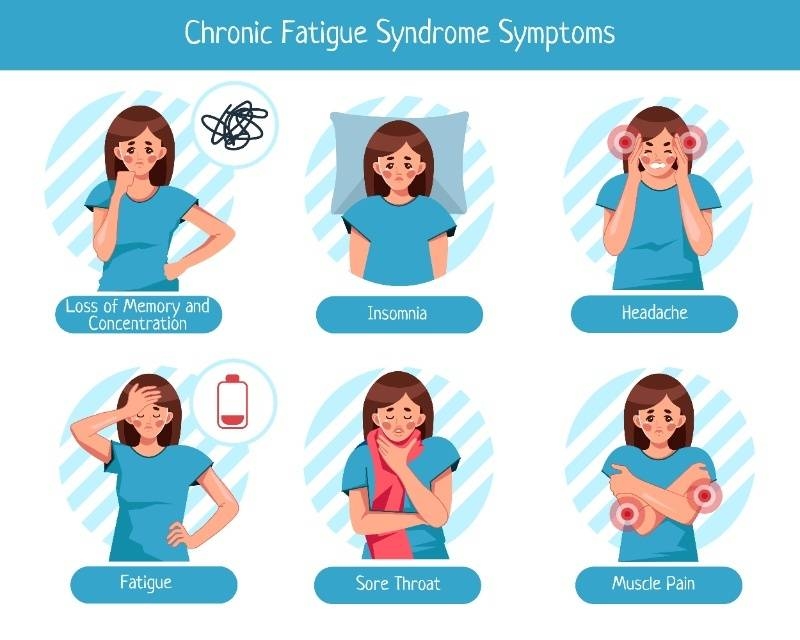
Fatigue really starts to matter when it drags on for months or gets in the way of everyday life.
Some signs to look out for:
When Tiredness Starts Affecting Daily Life
If you’re missing work a lot, can’t keep up with chores, or find yourself needing way more rest than usual, something deeper could be going on. Sometimes women pull back from friends or outings—not because they want to, but because they just don’t have the energy.
Physical Symptoms That Come Along
Besides fatigue, symptoms may include:
- Joint pain without swelling
- Frequent headaches
- Sensitivity to light or noise
- Poor memory and concentration
- Feeling dizzy while standing
The pattern matters. Symptoms often flare up, settle a little, then return again.
Suggested Reading: Understanding PMDD: Symptoms, Diagnosis, Treatment, And More
Chronic Fatigue Syndrome Effective Treatments for Better Recovery
There is no one magic cure. That frustrates many people. Still, symptoms can improve with the right approach.
Medical Support and Symptom Relief
Doctors usually start by checking for things like vitamin deficiencies, thyroid problems, anemia, autoimmune issues, or sleep disorders, since these all show up in similar ways.
Treatment depends on what’s really causing the fatigue. Some women need help with sleep. Others need ways to manage pain or support for handling the emotional toll of long-term health problems.
Small Lifestyle Changes That Actually Help
Tiny changes matter—maybe more than people think.
Try things like:
- Sticking to a regular sleep schedule. Go to bed and get up at the same times each day. It might not fix sleep quality right away, but it helps your body reset.
- Eating well. Focus on protein, whole foods, and staying hydrated. Blood sugar dips can leave you way more wiped out than you expect.
- Dialing things back. Cut down on extra noise, packed schedules, or trying to do a hundred things at once. All of these drain energy.
The trick isn’t a big overhaul—just small, steady adjustments.
Managing Chronic Fatigue Syndrome in Everyday Life
Managing Chronic Fatigue Syndrome usually means adjusting routines instead of fighting the body constantly.
Learning the Habit of Pacing
Pacing means balancing activity with rest before exhaustion hits. Hard skill to learn.
Many women wait until they crash, then recover slowly. A better strategy may involve stopping earlier, breaking tasks into smaller pieces, and spacing out energy-heavy activities.
Building Support Around You
Support matters more than people admit.
Friends, family, workplace flexibility, and support groups can reduce emotional stress. Some women feel isolated because symptoms are invisible. Others think they are exaggerating.
Also Read: Natural Remedies for Dark Circles: 10 Ways to Reduce Them
Conclusion
Living with chronic fatigue syndrome is hard in ways outsiders may not fully understand. The tiredness is not ordinary fatigue, not laziness, not lack of motivation. It can affect work, memory, relationships, confidence — nearly everything. Yet improvement is possible, even if recovery looks uneven. Understanding triggers, watching symptoms, getting medical advice, and making realistic lifestyle changes can make a real difference. Chronic fatigue syndrome in women often needs patience more than quick fixes.
FAQs
Can chronic fatigue syndrome mess with your mental clarity?
Definitely, a lot of women talk about “brain fog”—your mind feels cloudy, you can’t concentrate, and simple things start slipping your memory. You just feel slower.
Is chronic fatigue syndrome basically fibromyalgia?
No. They get mixed up a lot, but they’re not the same thing. Fibromyalgia hits you with constant pain everywhere, while chronic fatigue syndrome is all about deep exhaustion and those sudden crashes that wipe you out.
Can you cure chronic fatigue syndrome just by changing your diet?
No way. Eating healthy helps—gives you a little more energy, calms inflammation, and generally makes you feel better. But there’s no special diet that’ll cure it. It’s about balance and making steady choices, not jumping on trendy fixes.
Do women with chronic fatigue syndrome have to stay in bed all the time?
Actually, that’s not a good idea. Lounging in bed nonstop can make your muscles weaker and slow down recovery. Getting up, moving gently, and paying attention to your limits works better than lying around all day.
This content was created by AI