What is Virtual Makeup Try On Technology & How Does it Work?

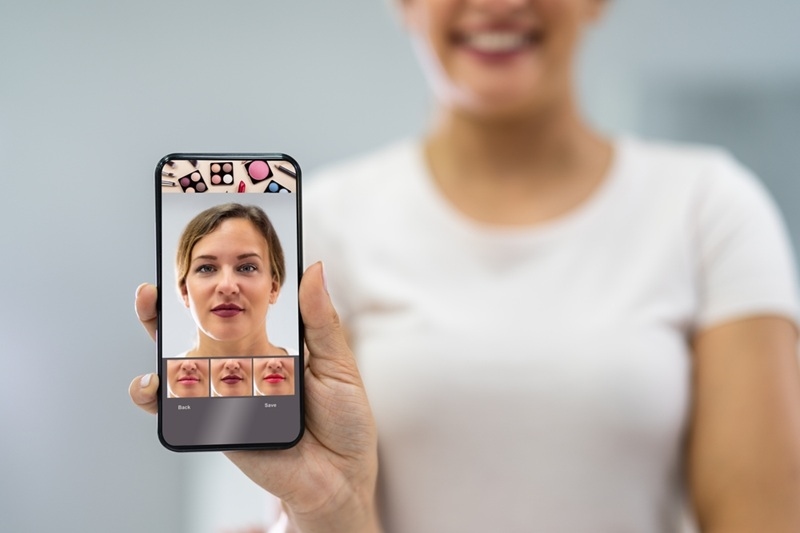
Virtual makeup try on is a smart way to see how makeup looks without applying it to the skin. It uses camera-based technology to place products on the face in real time. The idea is simple, but the experience feels quite close to reality.
This blog will explain how the virtual makeup try on technology works and cover the benefits of using online makeup tools.
Top Pick: Collagen For Skin: What Works, What’s Hype, And What To Do
Understanding the Role of Beauty Apps in Virtual Try-On
Beauty apps have quietly changed how people explore makeup today. Instead of standing under bright store lights and guessing shades, users can now try on looks in a more relaxed setting. It feels easier. Less pressure.
These apps connect directly with the camera and map the face almost instantly. The user does not really notice the process. One second, the face is plain; the next, a full look is applied. That shift happens fast, but it does not feel rushed.
Another thing worth noticing is how these apps adjust to different faces. Not every face is the same, and that matters. The system reads details like skin tone and facial shape, then tries to match products accordingly. It is not always perfect, but it has become quite reliable.
There is also a comfort factor here. People can explore different looks privately. No one is watching, no opinions are being thrown around. Just quiet testing. That alone changes how decisions are made.
Must Read: Best Blue Light Therapy for Acne and Skin Care Results
How Virtual Makeup Try On Technology Works: Step-by-Step
The process behind this experience is more detailed than it appears. It follows a clear structure, even if the user only sees the final result.
1. Face Detection and Positioning
The system begins by identifying the face and marking key points such as lips, eyelids, and cheek areas. These points guide where the makeup will appear, ensuring that it stays in place even when the user moves slightly.
2. Understanding Skin Tone and Surface
After mapping the face, the system reads the skin tone and texture. This step helps in adjusting shades so they do not look flat or unnatural. The goal is to make the makeup blend rather than sit on top.
3. Applying Products in Real Time
Products are applied digitally once everything is set. The interesting part is that this happens live. The user can turn their head or change expressions, and the makeup follows along without breaking alignment.
4. Refining the Final Look
Small adjustments are made to lighting, shadows, and edges. These details may seem minor, but they make a noticeable difference. The result would look artificial and disconnected from the face without them.
Benefits of Using Online Makeup Tools
Online makeup tools have made the entire experience more flexible. They remove a lot of small inconveniences that people often ignore but still feel.
1. Confidence in Choices
Online makeup tools like Face GPT give users a clearer idea of how something will look before they commit to it. This reduces second-guessing. The decision feels more informed, even if it is made quickly.
2. Less Time Spent Exploring
Trying multiple products in a physical setting takes time. Here, everything happens within minutes. A user can go through several looks without feeling tired or overwhelmed.
3. Clean and Contact-Free Experience
There is no need to touch products or use testers that others have used. Everything stays digital, which makes the process feel cleaner and more controlled.
Features to Consider before Choosing Beauty Filters Apps
Not every tool offers the same level of quality. Some feel smooth, others feel slightly off. The difference often comes down to a few important features.
1. Natural Alignment of Makeup
Good beauty filter apps keep makeup in the right place. It should not slide or shift when the user moves. Stability is one of the first things people notice, even if they do not say it out loud.
2. Range of Looks and Shades
Variety matters more than people think. A limited set of options can make the experience feel repetitive. A wider range keeps users engaged and helps them explore more freely.
3. Simple and Clear Interface
If the tool feels confusing, users lose interest quickly. The process should feel direct. Tap, try, switch. That is all it really needs to be.
Tips to Find the Best Digital Makeup Solutions
You can refer to the following list to find the best digital makeup solutions:
1. Focus on Realistic Output
The digital makeup tool used should look natural. If the look is too artificial, users will not trust it. The natural look is important for these tools.
2. Check Performance on Different Devices
Some digital tools may perform well on one device but may lag on another. It is a good idea to use these tools on different devices if you can. The user experience is more important than additional features.
3. Pay Attention to User Experience
Reviews may have information that may not be immediately noticeable. Users will generally talk about things that feel off. This can actually save you time and prevent you from getting frustrated later on.
Conclusion
Virtual makeup try on has made beauty decisions simpler and more comfortable for users. It removes guesswork and allows quick testing without effort. As it continues to improve, it is likely to become a regular part of how people explore and choose makeup in their daily routines.
Frequently Asked Questions
1. What is virtual makeup try on technology?
The virtual makeup try on technology enables users to view how makeup products look on their faces. This is done using a camera. The technology virtually places products on the face in real time. This enables users to explore different styles without physically applying anything or making quick decisions.
2. How accurate are beauty apps for testing makeup?
Beauty apps are very accurate in showing users how makeup products look on their faces. This is especially true when there is sufficient lighting and a good camera. Although beauty apps may not be perfect representations of reality, users can still get a reliable sense of reality. This enables users to feel confident before selecting a product.
3. Why do people use online makeup tools?
The online makeup tools enable users to easily and comfortably try out different styles. This is because users can do so without spending a lot of time or visiting physical stores. This is convenient for users, especially those who prefer to do so in private before making a decision.
This content was created by AI