What Causes Vertigo in Pregnancy and How to Deal With It


Picture this: you roll over in bed at 2 a.m. to grab some water, and the ceiling starts spinning. Your stomach drops, your hands grip the mattress, and for a moment, you have no idea which way is up. If this sounds familiar, you are far from alone. Vertigo catches a lot of pregnant women completely off guard, and for something so common, it does not get nearly enough attention. The good news is that understanding what is actually going on makes it a whole lot easier to deal with.
What Is Vertigo During Pregnancy?
Most people use vertigo and dizziness as if they mean the same thing, but there is a real difference worth knowing. Dizziness in pregnancy tends to feel like lightheadedness, that floaty, almost-going-to-faint sensation that comes and goes. Vertigo is something else entirely. It is that unmistakable spinning feeling, the kind where you are lying flat and the room is still moving. It comes from your vestibular system, the part of your inner ear that keeps your brain informed about balance and orientation. When pregnancy messes with that system, which it very much can, the spinning tends to follow.
Why Your Inner Ear Takes a Hit During Pregnancy
Pregnancy overhauls nearly everything about how your body functions, and your inner ear is not exempt. Blood volume climbs significantly, blood pressure swings up and down, and hormones surge in ways your body has genuinely never experienced before.
Estrogen and progesterone are largely responsible for what happens to your vestibular system. These hormones change the fluid balance inside your inner ear, and that shift alone can throw your sense of balance off. Estrogen also affects the stability of tiny calcium crystals in your ear called otoconia. These crystals help your brain figure out which direction is up. When they loosen and drift where they should not be, a spinning episode can hit without any warning, usually triggered by something as unremarkable as rolling over or tilting your head back.
Blood pressure adds its own complications. When you stand up too fast, your blood pressure sometimes cannot keep pace, and that brief drop cuts blood flow to the brain just enough to cause sudden dizziness. Vitamin D and calcium levels also tend to run low during pregnancy, which makes those inner ear crystals more unstable and raises your chances of developing BPPV.
More to Discover: Ovarian Remnant Syndrome: Causes, Symptoms & Prevention
Vertigo During Pregnancy: Does It Change by Trimester?
This is something a lot of articles gloss over, but it matters. Vertigo during pregnancy does not behave the same way from start to finish.
- The first trimester is typically when it hits hardest. Hormones are peaking, your vestibular system is still adjusting, and roughly 22.7% of women experience some form of vertigo during these early weeks.
- By the second trimester, the spinning may ease up for some women, but balance instability and subtle gait changes tend to become more noticeable as the belly grows and the center of gravity shifts forward.
- In the third trimester, the uterus starts pressing on blood vessels, circulation takes a hit, and fall risk climbs. Around 14.8% of women report balance instability at this stage.
Common Causes of Vertigo in Pregnancy
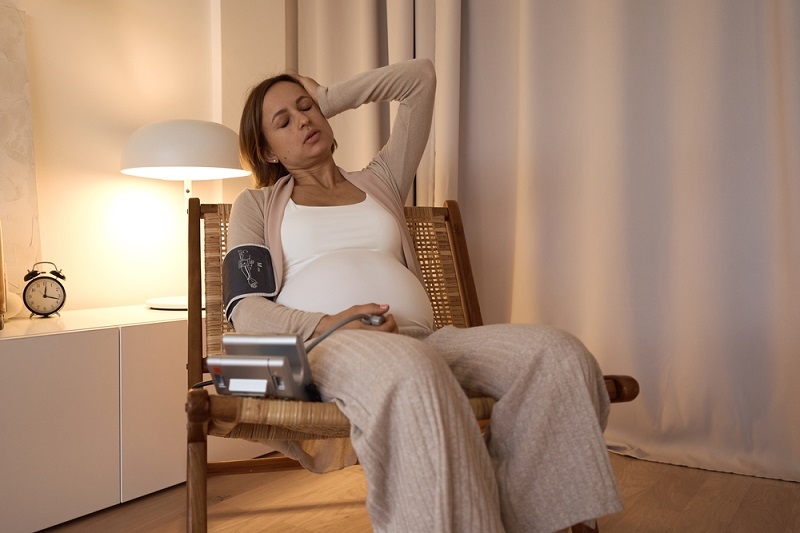
The causes of vertigo in pregnancy are more varied than most people expect. Here is a breakdown of the most common ones:
- BPPV: This is the most frequently diagnosed cause of vertigo during pregnancy. Those inner ear calcium crystals shift out of place, often due to extended bed rest or low Vitamin D and calcium levels, and the result is brief but intense spinning episodes triggered by head movement.
- Meniere's Disease: Women who already have this condition often find it gets worse in early pregnancy. Fluid retention lowers the body's serum osmolality, which triggers more frequent vertigo attacks, along with ear ringing and temporary hearing shifts.
- Vestibular Migraine: Pregnancy hormones are a well-known migraine trigger. When a migraine targets the vestibular system, you get the spinning along with the headache, usually paired with sensitivity to light and sound.
- Anemia: Low iron means less oxygen reaching your brain. The resulting lightheadedness and fatigue can feel a lot like vertigo, and it is easy to confuse the two.
- Dehydration and blood sugar dips: Genuinely common in pregnancy and genuinely overlooked. When you are not eating or drinking enough, dizziness in pregnancy follows almost predictably.
- Postural shifts: Your center of gravity moves forward as your belly grows. Your body is constantly recalibrating for that, and the balance disruption is more significant than most women anticipate.
How to Manage Vertigo in Pregnancy Day to Day
Learning how to manage vertigo in pregnancy rarely requires starting with medication. Most of what works is surprisingly practical.
- Take position changes slowly. Rolling out of bed too fast is one of the most reliable triggers. Sit up first, give yourself a beat, then stand. It sounds minor, but it makes a real difference.
- Stay on top of hydration. Eight to ten glasses of water a day is the target. Dehydration sneaks up on you during pregnancy, and it consistently makes dizziness worse.
- Eat smaller meals throughout the day. Keeping blood sugar stable matters more than most people realize. Pairing a protein with a carb each time you eat goes a long way toward preventing those mid-afternoon dizzy spells.
- Look into vestibular rehabilitation. A physical therapist who specializes in vestibular disorders can walk you through exercises that help retrain your balance system. These are safe during pregnancy and particularly effective when BPPV is the culprit.
- Ask your healthcare provider about the Epley Maneuver. If BPPV is confirmed, this repositioning technique moves the displaced crystals back where they belong. It often resolves symptoms in a single session.
- Check your Vitamin D levels. Low Vitamin D is directly tied to BPPV risk during pregnancy. Supplementing with D3 under your doctor's guidance is often recommended, especially heading into the second and third trimesters.
- Reduce salt and caffeine if Meniere's disease is part of the picture. Managing fluid retention through diet helps keep episodes less frequent.
- Staying on top of your prenatal labs makes a genuine difference here. A platform like DrGPTmd.com analyzes your medical reports using AI and flags nutritional gaps, like low Vitamin D or calcium, that are directly tied to vertigo risk. It is a practical way to catch things early rather than waiting until symptoms are already affecting your day.
- Meclizine is considered relatively safe at low doses during pregnancy when prescribed, but confirm anything with your OB-GYN before taking it.
When to Stop Managing It at Home
Most of the time, vertigo during pregnancy is frustrating but not dangerous. That said, some symptoms need prompt medical attention. Call your provider if spinning episodes come with severe headaches, blurred vision, chest pain, difficulty breathing, or fainting. Together, those symptoms can point to preeclampsia or other conditions that have nothing to do with your inner ear. If vertigo is making it hard to walk safely or is happening multiple times a day, bring that up at your next visit and ask specifically about a vestibular evaluation.
Must Read: Balancing Hormones: Discovering Foods High In Estrogen
Conclusion
Vertigo in pregnancy is one of those symptoms that tends to get dismissed as just another discomfort to push through. But it is worth taking seriously, both for your safety and your quality of life. Most cases have a clear cause, a manageable treatment, and a good outcome with the right support. Pay attention to your body, keep your prenatal team in the loop, and do not wait until symptoms are interfering with your daily routine to ask for help. You and your baby deserve proper care at every stage.
Frequently Asked Questions
Is vertigo a symptom of preeclampsia?
Vertigo by itself is not a defining sign of preeclampsia. But dizziness paired with severe headaches, sudden swelling, or vision changes is worth taking seriously. If those symptoms show up together, contact your healthcare provider right away rather than waiting it out.
Can pregnancy hormones cause vertigo?
Yes, and quite directly. Estrogen and progesterone alter the fluid balance inside your inner ear and affect the stability of the calcium crystals your brain relies on for balance signals. This hormonal disruption is one of the main reasons dizziness in pregnancy is so widespread, particularly during the first trimester.
When should I worry about vertigo during pregnancy?
Start paying closer attention if episodes are getting more frequent, lasting longer, or come with hearing loss, ringing in the ears, vision changes, or fainting. Those patterns suggest something that needs a proper diagnosis rather than home remedies alone.
This content was created by AI