What is Postpartum Thyroiditis, and How Does it Affect Moms?


Quick Takeaways
- Postpartum thyroid inflammation affects roughly five to ten percent of women within the first year after childbirth.
- Most mothers experience an initial overactive hormone phase, followed by an underactive phase, before thyroid function returns to normal.
- Routine blood tests measuring thyroid-stimulating hormone and free thyroxine confirm the diagnosis quickly and accurately.
- Safe medication options allow mothers to manage uncomfortable symptoms while continuing to breastfeed their babies safely.
- Nearly 80% of women regain normal thyroid hormone production within 12 to 18 months after delivery.
Welcoming a newborn brings overwhelming joy, yet extreme fatigue, sudden anxiety, and unexplained weight swings often leave new mothers wondering what is happening inside their bodies. Navigating Postpartum Thyroiditis can feel deeply isolating when everyone around you dismisses your physical exhaustion as ordinary new parent sleep deprivation. According to the American Thyroid Association, this painless thyroid gland inflammation affects five to ten percent of women in the United States during the first year following delivery. Recognizing that your symptoms stem from a treatable hormonal shift rather than personal burnout brings immediate emotional relief.
Understanding how pregnancy impacts your endocrine system empowers you to advocate for proper blood testing at your medical checkups. It ensures you receive timely care so you can feel energetic, balanced, and present for your growing family.
In this medically grounded maternal health guide, we examine postpartum thyroiditis causes, trace postpartum thyroiditis stages, compare postpartum thyroiditis symptoms, explain postpartum thyroiditis diagnosis, and review postpartum thyroiditis treatment, duration, recovery, and breastfeeding safety.
What is Postpartum Thyroiditis After Pregnancy?
Postpartum thyroiditis after pregnancy is a painless inflammation of the butterfly-shaped thyroid gland located at the base of your neck.
During pregnancy, your immune system naturally suppresses itself to protect your developing baby. Once you give birth, your immune response rebounds rapidly. In susceptible women, this sudden immune shift triggers inflammation that damages thyroid cells, causing stored hormones to leak into the bloodstream before hormone production temporarily slows down.
Primary Postpartum Thyroiditis Causes and Risk Factors
Exploring postpartum thyroiditis causes reveals an underlying autoimmune reaction closely related to Hashimoto's thyroiditis.
While doctors cannot always predict who will develop gland inflammation, clinical studies identify several clear risk factors:
- Preexisting Thyroid Antibodies: Women testing positive for anti-thyroid peroxidase antibodies early in pregnancy face a thirty to fifty percent chance of developing postpartum thyroid dysfunction.
- Type 1 Diabetes: Mothers living with Type 1 diabetes experience nearly three times the average rate of postpartum gland inflammation.
- Previous Thyroid History: A personal or family history of autoimmune thyroid disorders significantly elevates maternal risk after delivery.
- Prior Postpartum Episodes: Women who experienced thyroid inflammation after an earlier birth face a seventy percent likelihood of recurrence in future pregnancies.
Understanding Postpartum Thyroiditis Stages and Symptoms
Tracing postpartum thyroiditis stages explains why your physical and emotional symptoms can swing dramatically from one month to the next.
| Clinical Stage | Typical Timeline After Birth | Hormone Activity | Common Postpartum Thyroiditis Symptoms |
| Phase 1: Thyrotoxicosis | 1 to 4 months postpartum | Excess hormone leaks into blood | Racing heartbeat, anxiety, irritability, heat intolerance, weight loss |
| Phase 2: Hypothyroid | 4 to 8 months postpartum | Gland runs out of stored hormone | Deep fatigue, brain fog, dry skin, constipation, weight gain, low mood |
| Phase 3: Recovery | 12 to 18 months postpartum | Gland heals and stabilizes | Gradual return of normal energy, balanced mood, and steady metabolism |
Postpartum Thyroiditis Hyperthyroidism Phase
During the initial overactive phase, damaged thyroid follicles release stored hormones into circulation. Mothers often feel jittery, unusually warm, or anxious or notice unexpected weight loss despite a strong appetite.
Postpartum Thyroiditis Hypothyroidism Phase
Once stored hormones are depleted, the inflamed gland struggles to produce fresh hormones. This underactive phase frequently mimics postpartum depression, causing heavy exhaustion, memory trouble, cold sensitivity, and sluggish digestion.
Try This: How Serious is Postpartum Psychosis Among Women After Birth?
How Doctors Confirm a Postpartum Thyroiditis Diagnosis?
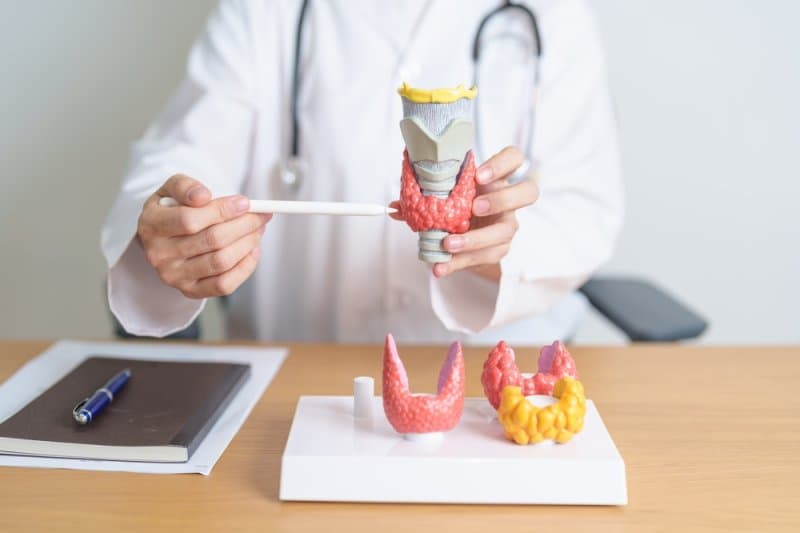
Obtaining an accurate postpartum thyroiditis diagnosis relies on simple laboratory blood panels rather than invasive procedures.
- Thyroid Stimulating Hormone Testing: Your physician measures TSH levels to determine whether your pituitary gland is signaling your thyroid to speed up or slow down.
- Free Thyroxine Evaluation: Measuring free T4 confirms actual circulating thyroid hormone levels inside your bloodstream.
- Antibody Screening: Checking thyroid peroxidase antibodies helps distinguish temporary postpartum inflammation from permanent autoimmune conditions like Graves disease.
Safe Postpartum Thyroiditis Treatment Options
Tailoring postpartum thyroiditis treatment depends entirely on which hormonal phase you are experiencing and how severely symptoms disrupt your daily life.
During the brief overactive phase, standard antithyroid drugs are ineffective because the gland is leaking stored hormone rather than overproducing new hormone. Instead, doctors often prescribe short courses of beta blockers to calm a racing heart and reduce tremors. Once you transition into the underactive phase, daily levothyroxine hormone replacement pills restore normal energy and mood smoothly.
Postpartum Thyroiditis Duration, Recovery, and Breastfeeding
Understanding postpartum thyroiditis duration reassures new mothers that this condition is usually temporary.
For roughly eighty percent of women, full postpartum thyroiditis recovery occurs within twelve to eighteen months after childbirth, allowing doctors to gradually taper off medication. About twenty percent of mothers develop permanent hypothyroidism, requiring ongoing daily hormone support.
Regarding postpartum thyroiditis and breastfeeding, mothers can nurse safely throughout treatment. Low-dose beta blockers like propranolol and standard levothyroxine replacement therapy transfer into breast milk in minimal, clinically safe amounts that protect infant health while keeping maternal milk supply steady.
Must Try: What Every New Mom Should Know About Postpartum Hot Flashes
Conclusion
Recognizing hormonal shifts after childbirth empowers new mothers to seek compassionate, accurate medical care rather than suffering through exhaustion in silence. Throughout this maternal health guide, we explored autoimmune causes behind thyroid inflammation, mapped out the distinct hyperthyroid and hypothyroid stages, and compared overlapping physical and emotional symptoms. We also outlined simple diagnostic blood tests, reviewed safe medication choices for nursing mothers, and highlighted reassuring recovery timelines.
Listening to your body and requesting targeted thyroid blood panels transforms confusing postpartum symptoms into a clear, manageable healing plan. Proper medical guidance helps you reclaim your vitality and enjoy early motherhood with confidence.
To explore trusted women's wellness guides, stay informed about maternal health topics, and empower your postpartum recovery journey today, visit our women's health platform, womenwire.com, to prioritize your well-being.
FAQs
Can postpartum thyroiditis occur after a miscarriage or pregnancy loss?
Yes, postpartum thyroid inflammation can develop following a miscarriage, stillbirth, or terminated pregnancy, typically appearing within two to six months after the loss. Any sudden end to pregnancy triggers the same rapid immune system rebound that initiates thyroid gland inflammation, making hormone testing equally important during emotional and physical recovery.
How can doctors tell the difference between postpartum thyroiditis and Graves disease?
Physicians differentiate postpartum thyroiditis from Graves disease by measuring thyroid-stimulating immunoglobulin antibodies and evaluating clinical symptom timelines. Graves disease causes persistent hormone overproduction driven by stimulating antibodies, whereas postpartum thyroiditis involves temporary hormone leakage without stimulating antibodies and naturally transitions toward normal or underactive hormone levels within several months.
Should women with postpartum thyroiditis follow a specific diet or take iodine supplements?
Women recovering from postpartum thyroiditis should eat a balanced, nutrient-rich diet containing adequate selenium and zinc while avoiding high-dose iodine or kelp supplements. Excess iodine intake can actually worsen autoimmune thyroid inflammation and prolong hormone imbalances, so mothers should always consult their endocrinologist before starting herbal or mineral supplements.
Does untreated postpartum hypothyroidism affect future pregnancies?
Yes, untreated underactive thyroid levels before or during a subsequent pregnancy increase risks of miscarriage, preterm birth, preeclampsia, and impaired fetal brain development. Women with a history of postpartum thyroiditis should have their thyroid-stimulating hormone levels checked before conceiving again and monitored closely throughout every trimester.
When should a new mother ask her doctor for a thyroid blood panel?
A new mother should request a complete thyroid blood panel whenever extreme fatigue, heart palpitations, unexplained anxiety, severe hair shedding, or depressive feelings persist beyond six weeks after childbirth. Early screening is especially vital for women with Type 1 diabetes, family thyroid history, or persistent mood changes that fail to improve with rest.
This content was created by AI