Which Natural Home Remedies for Hyperpigmentation Can Fade Spots?


Quick Takeaways
- Kitchen staples like aloe vera, licorice root, and green tea gently slow excess melanin production without harsh chemical irritation.
- American Academy of Dermatology reports confirm hyperpigmentation affects millions of adults across every skin tone after sun exposure or acne.
- Pairing antioxidant plant extracts with daily broad-spectrum sunscreen prevents existing dark spots from turning deeper in color.
- Consistent topical application over six to twelve weeks yields gradual, even skin brightening while protecting your natural moisture barrier.
- Patch testing new botanical blends behind your ear prevents accidental contact dermatitis on sensitive facial skin.
Looking in the mirror and seeing stubborn dark patches linger months after a breakout or sunny vacation feels deeply discouraging. Turning to Natural Home Remedies for Hyperpigmentation offers a gentle, affordable way to restore balanced radiance without harsh bleaching creams. According to clinical skincare insights from the American Academy of Dermatology and peer-reviewed dermatology journals, post-inflammatory hyperpigmentation and sun spots rank among the top five skin concerns worldwide, particularly affecting medium to deeper skin tones. Nourishing your complexion with proven botanical ingredients helps fade uneven patches safely at home.
Understanding why excess pigment settles in specific areas removes frustration from your daily skincare routine. It empowers you to brighten dull spots patiently while keeping your skin barrier calm and hydrated.
In this comprehensive skincare guide, we break down what causes dark spots on your skin and what are the symptoms of hyperpigmentation, explore natural remedies for hyperpigmentation and home remedies for dark spots on skin, share natural treatments for skin pigmentation and natural ingredients for skin pigmentation, explain how to reduce hyperpigmentation naturally and how to lighten pigmentation marks naturally, cover home remedies for uneven skin tone, natural ways to fade dark spots, and remedies for facial pigmentation, and outline natural skincare for hyperpigmentation habits.
What Causes Dark Spots on Your Skin?
Recognizing why dark patches form helps you select targeted natural treatments for skin pigmentation rather than scrubbing skin aggressively.
- Ultraviolet Sun Exposure: Unprotected exposure to sunlight stimulates specialized skin cells called melanocytes to overproduce melanin, creating sunspots and freckles on exposed areas.
- Post-Inflammatory Acne Marks: Healing pimples, scratches, insect bites, or eczema flare-ups leave behind localized pigment clusters once skin inflammation subsides.
- Hormonal Fluctuations: Pregnancy, oral contraceptives, or endocrine shifts can trigger symmetrical brown or grayish patches known as melasma across the cheeks and forehead.
- Harsh Skincare and Friction: Scrubbing skin with gritty exfoliants or using irritating fragrances damages the moisture barrier and prompts defensive pigment production.
What are the Symptoms of Hyperpigmentation?
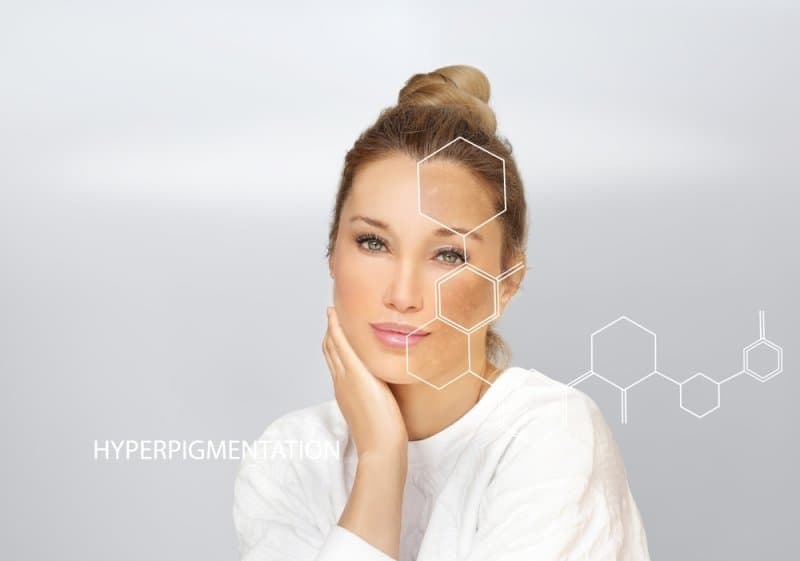
Identifying what are the symptoms of hyperpigmentation helps you distinguish harmless surface discoloration from skin changes that warrant a dermatologist visit.
- Flat Darkened Skin Patches: Smooth, non-raised spots appearing tan, light brown, dark brown, or gray compared to your surrounding natural skin tone.
- Clusters on Sun-Exposed Areas: Concentrated spots across the forehead, cheeks, upper lip, nose bridge, neck, shoulders, and backs of the hands.
- Lingering Marks After Blemishes: Localized dark dots remaining weeks or months after acne breakouts, minor burns, or bug bites finish healing.
- Even Texture Without Scaling: Affected patches feel identical in smoothness to normal skin without pain, bleeding, crusting, or raised borders.
Best Natural Home Remedies for Hyperpigmentation
Incorporating research-backed natural ingredients for skin pigmentation into your weekly routine delivers soothing, pigment-balancing nutrients directly to discolored zones.
1. Pure Aloe Vera Gel
Aloe vera contains aloesin, a natural bioactive compound shown in dermatological studies to inhibit tyrosinase enzyme activity and calm melanin overproduction. Apply fresh, fragrance-free aloe gel to clean dark spots before bedtime and rinse with cool water in the morning.
2. Licorice Root Extract Infusion
Glabridin inside licorice root disperses concentrated melanin granules while soothing visible redness around healing blemishes. Steep dried organic licorice root in warm water, let the liquid cool completely, and sweep it across affected areas using a soft cotton pad.
3. Cooled Green Tea Compress
Green tea leaves pack high concentrations of epigallocatechin gallate, a potent antioxidant that shields skin cells from oxidative sun damage. Brew a strong cup of organic green tea, chill the tea bags in your refrigerator, and rest them over stubborn dark spots for ten minutes.
4. Diluted Apple Cider Vinegar Toner
Natural acetic acid and malic acid in raw apple cider vinegar provide mild surface exfoliation that encourages fresh, evenly toned skin cells to surface. Always dilute one part apple cider vinegar with three parts filtered water to protect delicate facial skin from dryness.
5. Turmeric and Plain Yogurt Mask
Curcumin in turmeric helps regulate excess pigment formation while lactic acid in unsweetened yogurt gently lifts dull surface buildup. Mix a pinch of pure turmeric powder with one tablespoon of plain yogurt, leave on for ten minutes, and rinse thoroughly.
Comparing Home Remedies for Dark Spots on Skin
Reviewing active compounds and safe usage frequencies helps you build effective home remedies for uneven skin tone without over-exfoliating.
| Natural Ingredient | Key Brightening Compound | Best Skin Type Match | Recommended Application Frequency |
| Pure Aloe Vera Gel | Aloesin and soothing polysaccharides | All skin types, including sensitive skin | Twice daily as a lightweight leave-on gel |
| Green Tea Compress | Epigallocatechin gallate polyphenols | Oily, acne-prone, and combination skin | Once daily for ten to fifteen minutes |
| Turmeric and Yogurt | Curcumin and gentle lactic acid | Normal, dry, and dull complexions | Two times weekly as a ten-minute wash-off mask |
| Licorice Root Toner | Glabridin and liquiritin antioxidants | Redness-prone and uneven skin tones | Once daily after gentle facial cleansing |
How to Reduce Hyperpigmentation Naturally With Daily Habits?
Following consistent natural skincare for hyperpigmentation habits multiplies the brightening benefits of your topical remedies.
- Apply Broad-Spectrum Sunscreen Every Morning: Ultraviolet light reactivates dormant melanin cells within minutes, so wearing mineral SPF thirty or higher daily is the single most important step in natural ways to fade dark spots.
- Avoid Picking or Squeezing Blemishes: Pressing healing pimples drives inflammation deeper into the dermis, creating darker, longer-lasting post-inflammatory marks.
- Prioritize Vitamin C-Rich Whole Foods: Eating citrus fruits, bell peppers, berries, and leafy greens supplies internal antioxidants that support healthy collagen and even skin renewal.
- Keep Cleansing Gentle and Hydrating: Swap gritty physical scrubs for creamy, pH-balanced cleansers so micro-tears never trigger fresh pigment spots.
Safety Tips for Remedies for Facial Pigmentation
Practicing smart precautions when applying remedies for facial pigmentation ensures you brighten skin safely without triggering rebound irritation.
- Always Perform a Twenty-Four-Hour Patch Test: Dab a small amount of any homemade mixture along your inner forearm or behind your ear before applying it across your cheeks.
- Skip Undiluted Lemon Juice and Baking Soda: Raw citrus juice causes severe sun sensitivity and chemical burns, while alkaline baking soda disrupts your protective acid mantle.
- Give Natural Ingredients Realistic Time: Because natural skin cell turnover takes roughly twenty-eight to forty days, stick with gentle remedies consistently for at least eight weeks to measure true progress.
Conclusion
Fading stubborn dark spots naturally requires patience, gentle botanical nourishment, and unwavering daily sun protection. Throughout this skincare guide, we explored what causes dark spots, outlined common visual symptoms of hyperpigmentation, and highlighted five proven kitchen and herbal remedies, including aloe vera, licorice root, green tea, diluted apple cider vinegar, and turmeric yogurt masks. We also compared key brightening compounds by skin type, outlined four essential daily habits for how to lighten pigmentation marks naturally, and shared vital safety rules that protect your skin barrier from harsh DIY mistakes.
Healthy, luminous skin thrives when you treat inflammation with kindness rather than aggressive abrasion. Consistency with soothing plant extracts and daily mineral sun care steadily reveals clearer, brighter confidence.
To explore more dermatologist-inspired beauty guides, discover clean wellness routines, and celebrate confident living every day, visit our dedicated women's lifestyle and wellness platform, womenwire.com, for trusted advice tailored to you.
FAQs
How long do natural home remedies take to fade hyperpigmentation?
Most natural home remedies require six to twelve weeks of consistent daily or weekly application before producing noticeable lightening of dark spots. Because healthy skin cells naturally renew every twenty-eight to forty days, gentle botanical ingredients work gradually by calming new melanin production while older pigmented cells shed naturally.
Can natural remedies completely remove deep melasma patches?
While gentle botanical extracts and strict sun protection can visibly soften mild surface discoloration, deep hormonal melasma often sits within lower dermal skin layers that resist topical kitchen remedies alone. Consulting a board-certified dermatologist for targeted prescription creams or professional light therapies alongside daily mineral sunscreen delivers stronger results for stubborn melasma.
Which vitamins help lighten skin pigmentation naturally from within?
Vitamins C, E, and B3 (niacinamide) play vital roles in supporting balanced melanin regulation, neutralizing sun-induced free radicals, and strengthening skin barrier repair. Incorporating antioxidant-rich foods like oranges, almonds, avocados, and leafy greens into daily meals complements topical natural skincare for clearer, more resilient skin.
Why do dark spots sometimes look darker before they fade?
Dark spots occasionally appear slightly more prominent during the first two weeks of gentle exfoliation as pigmented skin cells migrate upward toward the surface right before shedding. However, if dark patches become red, itchy, or inflamed, discontinue your remedy immediately because irritation triggers fresh melanin production.
Is sunscreen necessary indoors when treating hyperpigmentation naturally?
Yes, wearing broad-spectrum sunscreen indoors remains essential because long-wave ultraviolet A rays pass directly through home and office window glass and stimulate melanin production. Applying a lightweight mineral sunscreen every morning protects your natural brightening progress even on cloudy days spent working near windows.
This content was created by AI