Why Does Postpartum Hair Loss Happen and When Does it Stop?

Key Takeaways
- Postpartum hair loss is common, temporary, and tied to the estrogen drop after you give birth.
- Shedding often starts around month three and usually eases within about six months after that.
- Most moms see hair fill back in by their baby’s first birthday or shortly after.
- Gentle styling, regular meals, and doctor-approved vitamins give your regrowth the best support.
- Call your doctor if heavy shedding drags past six months or comes with other symptoms.
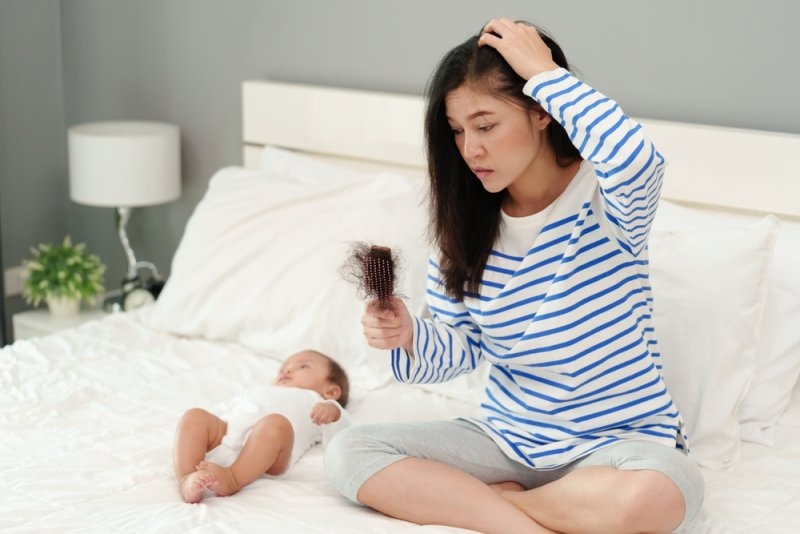
You step out of the shower, look at the drain, and wonder where half your hair just went. Take a breath, because postpartum hair loss hits most new moms, and it almost never means something’s wrong. Here’s what causes it, how long it lasts, and what you can actually do to help your hair bounce back.
What is Postpartum Hair Loss?
Postpartum hair loss is simply heavy shedding that shows up a few months after you’ve had your baby. Doctors call it telogen effluvium, which just means lots of hairs slipped into their resting phase together. Normally you lose up to 100 strands a day, but in these months you’ll probably lose more.
What Causes Postpartum Hair Loss?
Blame your hormones, because the changes after childbirth are what set off all that shedding in the first place. Two things happen behind the scenes, and together they explain why your hairbrush suddenly looks like a small animal. Neither one is dangerous, and neither one says anything bad about your scalp or your overall health.
Estrogen Drops After Delivery
During late pregnancy, high estrogen keeps hairs growing longer, which is why your hair probably looked amazing back then. Once the baby arrives, estrogen falls fast, and all those extra hairs that stayed put start letting go. So the shedding feels sudden and scary, but your body is really just catching up on lost time.
The Hair Growth Cycle Shifts
Each hair cycles through growing, transition, and resting stages, and resting lasts roughly three months before the hair falls. Pregnancy hormones nudge a big batch of hairs into rest at once, so they all fall out together later. Poor sleep, stress, and low iron can make it worse, though they’re rarely the whole story behind it.
Signs of Postpartum Hair Loss
The biggest giveaway is finding way more loose hair than usual on your brush, pillow, or shower floor. Plenty of moms also notice a few other changes, and they tend to show up around the same time.
- Hair stuck to your clothes, towels, and your baby’s blankets
- A skinnier ponytail or a part that looks wider than before
- Short new hairs sticking up around your temples and hairline
It looks alarming, but in most cases it’s ordinary shedding and not permanent damage to your follicles.
Is it Normal to Experience Hair Loss 3 Months After Giving Birth?
Yes, it’s completely normal, since shedding usually kicks in around three months after delivery and can run for several months. Hairs that got pushed into rest after you gave birth finally drop once that three-month pause is over. Only worry if the shedding looks patchy, feels painful, or hangs around well past the six-month mark.
When Does Postpartum Hair Loss Stop?
For most moms, shedding starts near month three and slows down within about six months of beginning. Here’s a rough timeline, but remember that every woman recovers at her own speed after having a baby.
| Time After Birth | What Usually Happens |
| Months 0 to 2 | Hair may still look thick because pregnancy hormones are hanging around. |
| Months 3 to 4 | Shedding begins, and you start spotting it everywhere. |
| Months 5 to 6 | Shedding slows down and tiny new hairs pop up. |
| Months 7 to 12 | Hair slowly fills back in, often by your baby’s first birthday. |
If you’re still losing lots of hair after six months, book a visit and have your doctor check why.
Does Postpartum Hair Loss Grow Back?
Yes, it does, because your follicles are still healthy, and new hair starts growing as old hair falls out. Most women get their usual fullness back by their baby’s first birthday, or sometimes a little after that. A few notice their hair stays slightly thinner afterward, so give it time and keep treating it kindly.
Postpartum Hair Loss Breastfeeding Myths and Facts
Lots of moms fear that nursing is causing the shedding, but the real culprit is the hormone shift after birth. Still, nursing does raise your calorie and nutrient needs, so regular meals with protein, iron, and healthy fats really help. Check with your doctor before taking any supplement while nursing, since some ingredients can pass into your breast milk.
Top Pick: Breastfeeding Tips for Strong Milk Flow and Better Latch
What if You Notice Postpartum Hair Loss After 1 Year?
Shedding that keeps going past your baby’s first birthday is less typical, so it’s worth getting it looked at. Low iron, thyroid trouble, and long-term stress can all cause thinning that looks a lot like postpartum shedding. A simple blood test often finds the cause, and fixing it usually helps your hair recover faster.
Postpartum Hair Loss Treatment and Care Tips
No treatment can stop postpartum hair loss, but a few smart habits will protect your strands while they recover. Aim to cut down breakage, add some visible volume, and look after your general health while your body resets. These three areas are the easiest places to start when you barely have a free minute to yourself.
Be Gentle While Washing and Brushing
Pick a volumizing shampoo and a lighter conditioner, since heavy formulas can weigh thin hair down and flatten your roots. Detangle wet hair slowly with a wide-tooth comb, starting at the ends and working up toward your scalp. And don’t blame your shampoo, because washing doesn’t cause extra loss, and those hairs were ready to go anyway.
Choose Hairstyles That Protect Your Strands
Skip tight ponytails, braids, and clips, because constant tugging stresses fragile hairs and can make the shedding worse. A shorter cut can make your hair look fuller, and honestly it’s much easier to handle with a baby. Turn down the heat on your blow dryer and flat iron so you don’t add damage on top.
Support Hair Growth From the Inside
Eat regular meals with enough protein, iron-rich foods, fruits, and veggies, because your hair needs steady fuel to grow. Rest whenever you can, since ongoing stress and poor sleep may drag out the shedding and slow recovery. Feeling overwhelmed is common after birth, and our guide on postpartum depression covers when it’s time to ask for help.
What Vitamins are Good for Postpartum Hair Loss?
Iron, vitamin D, zinc, and protein all support healthy hair, but supplements mostly help when you’re actually running low. Ask your provider to check your iron, ferritin, vitamin D, and thyroid levels before you buy anything.
Biotin gets a lot of hype, but the evidence for postpartum use is thin, and it can skew lab results. Keep taking your prenatal vitamin only if your doctor says so, especially while you’re still breastfeeding your little one.
When Should You See a Doctor?
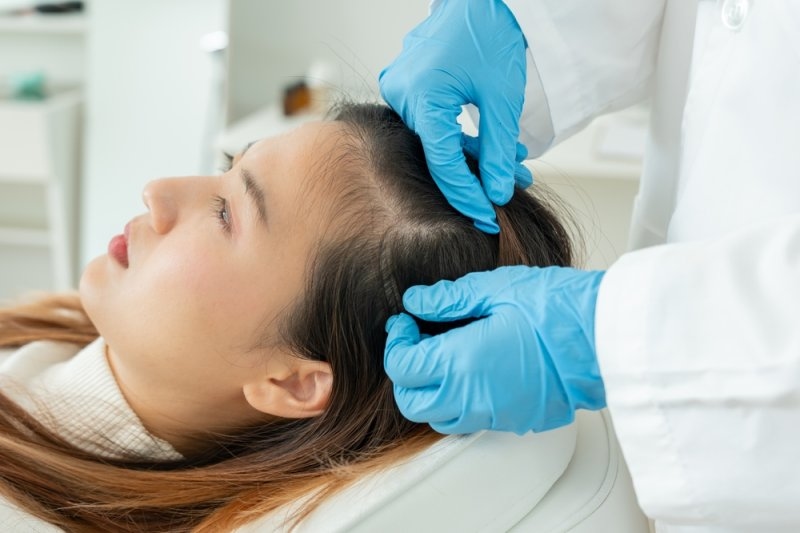
Reach out to your provider if you’re still losing hair after six months or spot bald patches, redness, or pain. Tiredness, weight changes, feeling cold, or a racing heartbeat along with shedding could point to a thyroid problem. Getting tested early gives you clear answers, and the right treatment protects your hair while you enjoy your baby.
Conclusion
Postpartum hair loss feels awful in the moment, but it’s a normal and temporary reaction to changing hormones. Shedding starts around month three, eases within six months, and most moms see fullness return by the first birthday. Be gentle with your hair, eat well, and see a doctor if the shedding goes on longer than expected.
Also Read: How Serious is Postpartum Psychosis Among Women After Birth?
Frequently Asked Questions
Can stress make postpartum hair loss worse?
Stress and poor sleep can stretch out shedding for some moms, though hormones are still the main cause. Rest, help from family, and regular meals can ease the load and support recovery.
Does cutting my hair short reduce shedding?
A haircut won’t stop shedding, because the process starts at the root. It can make thin areas look fuller, though, and it cuts down on tangles that lead to extra daily breakage.
Can postpartum hair loss affect my baby?
Your shedding won’t hurt your baby at all. Still, loose hairs can wrap around tiny fingers or toes, so check your baby’s hands and feet at diaper changes and unwind strands gently.
Will regrown hair look different from my old hair?
New hairs often look short and wispy around the hairline, and many moms call them baby hairs. As they grow longer over several months, they blend in, and your density slowly improves.
This content was created by AI