Learn Peptide Skincare Benefits, Uses, and Best Practices

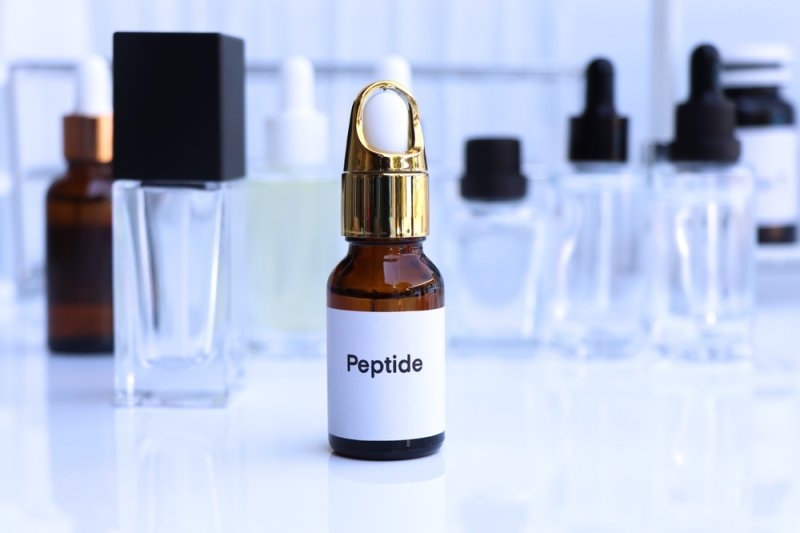
Skincare trends change all the time. One day, everyone’s raving about some new buzzy ingredient, then the next week, it’s out, and people move on. Peptides, though? They’ve stuck around, and there’s a good reason—they actually do something for your skin. If you want a smoother texture, a little extra glow, or you’re trying to get ahead of early aging, peptide-based products keep popping back up. They don’t shout for attention, but they work.
These days, you’ll spot peptides almost everywhere—in serums, moisturizers, creams, and even in specialized treatments. But here’s the funny thing: even though they’re everywhere, a lot of people still don’t really know what peptides are or why they matter. Honestly, it’s not that complicated once you get the basics.
Let’s get into peptide skincare—what it really means, how it works, why people love it, and which products are actually worth using. We’ll also show you how to slip these ingredients into your everyday routine without turning your schedule upside down.
Understanding Peptide Skincare and How It Works
Peptide Skincare has become a major part of modern skincare routines, for good reason, too. Peptides are short chains of amino acids. First up, peptides. They’re just chains of amino acids, and those acids are what make up proteins like collagen, elastin, and keratin. If you want your skin to stay firm, smooth, and healthy, you need those proteins working for you.
So what is peptide skincare? It means formulas that use these little building blocks to give your skin a boost—more repair, better hydration, extra bounce, and a plumper look.
Simple idea. Important results. As skin ages, collagen production naturally slows down. That’s where peptide skincare becomes useful. Peptides send signals to the skin, encouraging it to maintain or improve important functions linked to healthy-looking skin.
How Peptides for Skin Support Better Skin Health
Using Peptides for Skin can support multiple skin concerns at once. That is one reason they’re so popular. Unlike harsh active ingredients, peptides usually work gently. They support skin rather than aggressively pushing it.
Peptides Help Support Collagen Production
Collagen for skin keeps you firm and full. If you lose some, you get more fine lines, sagging, and the skin feels less elastic. Some peptides tell your skin to make more collagen, so with steady use, you’ll notice your skin looks firmer, and signs of aging aren’t as loud.
Peptides Help Strengthen Skin Barrier Function
They’re good for your skin’s protective barrier, too. A strong barrier locks in moisture and shields you from daily stress—pollution, weather, all of it. When that barrier breaks down, skin dries out and gets irritated fast. Peptides help support repair processes that keep the barrier stronger.
Peptides Support Smoother Texture
Rough texture, uneven skin, fine lines—many people deal with these. Peptides can help improve skin texture gradually by supporting skin renewal and hydration. Peptides help reinforce and repair, which makes a real difference over time. Skin feels smoother and healthier, even if results seem subtle at first.
Exploring Peptide Skincare Benefits for Different Skin Types
The best part about Peptide Skincare Benefits is how broad they are. Most skin types can benefit. Dry, mature, sensitive, and even combination skin often responds well to peptide products.
They are versatile.
What are the benefits of peptide skincare? There are several major ones.
Improved Hydration and Moisture Retention
Many peptide formulas are paired with hydrating ingredients. Hydration’s a big part of it, too. Peptides support moisture retention, so your face looks softer, plumper, and more refreshed. Hydrated skin just looks better. It’s as simple as that.
Reduced Appearance of Fine Lines
People love peptides in anti-aging skincare for fighting fine lines. They firm things up and make your skin more elastic, so those little lines start to fade into the background. This happens gradually—not overnight.
Better Skin Resilience Over Time
Healthy skin handles stress better. Environmental damage, dryness, weather changes, pollution—all affect skin daily. Peptides help support stronger skin so it can recover more effectively from these stressors.
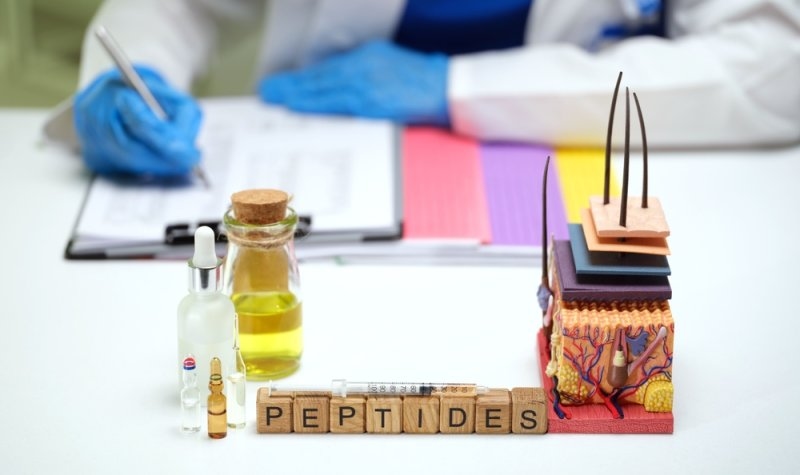
Why Peptide Serum is Popular in Skincare Routines?
A Peptide Serum is often one of the easiest ways to add peptides into skincare. Serums usually contain concentrated ingredients in lightweight formulas. That helps active ingredients absorb more effectively into the skin.
Many people prefer serums for this reason.
Serums Deliver Targeted Treatment
A peptide serum is designed to target specific skin concerns like fine lines, dullness, dryness, or loss of firmness. Because serums are lightweight, they layer well under moisturizers or sunscreen.
Easy to use. Easy to keep consistent. That matters.
Peptide Serums Fit Most Routines
Peptide serums work well in both morning and evening routines. They also pair nicely with many common skincare ingredients. That makes them flexible for beginners as well as experienced skincare users.
Not complicated. Just useful.
Best Practices for Using Peptide Skincare Correctly
Good products matter. Proper use matters too. Even great ingredients work best when used consistently and correctly.
Small habits make a difference.
Apply to clean, slightly damp skin
After cleansing, apply peptide products to clean skin. Bonus tip—apply to slightly damp skin if you want better absorption and smoother application. This helps products spread evenly.
Better application usually means better results.
Be Consistent With Daily Use
Peptides are not quick-fix ingredients. They work best with regular use over time. Daily application usually gives better results than inconsistent use.
This is where many people fail. They stop too soon.
Pair With Moisturizer and Sunscreen
Peptides work best as part of a complete skincare routine.
A simple routine that gets the job done could look like this:
- cleanser
- peptide serum
- moisturizer
- sunscreen
That’s it. Stick with it, and you’ll get better results than if you bounce between twenty different things. Consistency really matters more than jumping on every trend.
Final Thoughts
Peptides deserve all the attention they get. They’re gentle, versatile, and help with all sorts of issues—hydration, firmness, smoother texture. And they do it without being harsh or irritating.
The big win with peptides is their balance. They aren’t flashy. Instead, they work quietly and steadily. You won’t wake up to a new face overnight, but give them time, and your skin just looks healthier.
FAQs
Are peptides good for beginners?
Absolutely. Peptide skincare is easy to start with, and they’re not too harsh. Most people go for a peptide serum or moisturizer first, then add other focused treatments down the line.
Can you use peptides and vitamin C together?
Most of the time, yes. Peptides and vitamin C actually get along pretty well and can help your skin look brighter and healthier. If you have sensitive skin, just take it slow and don’t introduce everything at once.
When should you start using peptides?
There’s no hard rule. Lots of people start in their mid-20s or 30s since that’s when collagen starts to dip, but you can use them earlier or later depending on what you want for your skin.
Are peptide products good for sensitive skin?
Usually, yes. And if you have sensitive skin, good news: peptides are about as gentle as it gets. Most people handle them well, especially in formulas mixed with calming or hydrating ingredients. No drama, just healthier skin.
This content was created by AI