Women pouring Collagen powder into a glass of water

Best Collagen Supplement For Sagging Skin In 2026

Sagging skin is one of those things people notice quietly at first. Maybe the jawline looks softer. Maybe the neck feels a little looser. Maybe the cheeks do not bounce back the way they used to. It is not always dramatic, but once someone notices it, they usually start looking for answers pretty quickly.That is where the search for the best collagen supplement for sagging skin begins. The problem is, the beauty aisle is full of very confident promises. "Firm skin." "Youthful glow." "Plump from within." Nice words, but skin is not that simple.Best Collagen Supplement For Sagging Skin: Start Here FirstCollagen may help support skin hydration and elasticity for some people, especially when used regularly. But it is not a face-lift in powder form. Sun exposure, age, weight changes, smoking, low protein intake, stress, and sleep all play their part. A supplement can support the routine. It cannot carry the whole routine alone.Why Collagen Matters For Skin?Collagen is a protein that helps skin stay firm and supported. The body makes it naturally, but production slows with age. Sun damage and poor lifestyle habits can speed that up too. That is why skin may start looking thinner, looser, or less springy over time.The most common skin supplements use hydrolyzed collagen peptides. That simply means the collagen has been broken into smaller pieces so the body can digest it more easily. Powders, capsules, gummies, creamers, and drink mixes all use this idea in different ways.The real collagen supplement benefits are usually subtle. Skin may feel less dry. Fine lines may look softer. Elasticity may improve a bit. But people should give it time. A few days of collagen in coffee will not suddenly tighten the neck or lift the cheeks.What Vitamin Deficiency Causes Sagging Skin?People often ask what vitamin deficiency causes sagging skin, and vitamin C is the big one to know. The body needs vitamin C to make and maintain collagen properly. Without enough of it, skin, gums, blood vessels, and healing can suffer.That does not mean every loose-skin concern is caused by low vitamin C. Usually, it is more layered than that. Aging, sun exposure, major weight loss, hormones, genetics, and overall nutrition can all show up on the skin.Still, if someone has easy bruising, bleeding gums, slow wound healing, tiredness, or a very limited diet, it is better to speak with a healthcare professional instead of guessing. A collagen powder might help the routine, but the body still needs protein, vitamin C, zinc, copper, and enough daily nutrients to build healthy tissue.Are Collagen Supplements For Sagging Skin Actually Useful?The honest answer to collagen supplements for sagging skin? is: they may help, but expectations matter. Someone hoping for softer, more hydrated-looking skin may be happy. Someone expecting loose skin to snap tight again may be disappointed.That is not meant to sound negative. It is just realistic. Skin changes slowly. Collagen supplements usually work best when the person also uses sunscreen, eats enough protein, drinks enough water, sleeps properly, and avoids smoking.What A Good Product Usually Has?A sensible collagen supplement usually includes:Hydrolyzed collagen peptidesA clear dose per servingLow or no added sugarSimple ingredientsAllergen informationThird-party testing if possibleVitamin C or room to pair it with vitamin CThe plainest product is sometimes the better one. A clean powder with a clear dose can be more useful than a trendy jar with twenty beauty buzzwords.Top Collagen Products To Look For On Amazon CouponsSince prices change often, shoppers can check the Amazon coupon section on Rebates before buying. Instead of chasing whatever looks prettiest, it helps to look for the type of product that fits the routine.1. Hydrolyzed Collagen Peptide PowderThis is usually the easiest option for beginners. It can be stirred into coffee, smoothies, oatmeal, yogurt, or water. For many people looking for the best collagen supplement for sagging skin, an unflavored peptide powder is practical because it does not require a new habit. It just slips into something they already drink or eat.2. Marine Collagen PowderMarine collagen usually comes from fish. It is often marketed for skin, hair, and nails. Some shoppers prefer it because it feels more beauty-focused. People with fish allergies should avoid it unless their doctor says otherwise.3. Collagen CapsulesCapsules are simple. No scoop, no shaker, no taste. The catch is serving size. Some collagen capsules provide much less collagen than powder, so the buyer may need several pills a day. That tiny label detail matters.4. Collagen With Vitamin CThis type makes sense because vitamin C supports collagen formation. It also connects directly to the question what vitamin deficiency causes sagging skin. If the body is low in vitamin C, collagen support becomes harder.Read Next: What is Microneedling for Face & How It Actually Works?5. Collagen With Hyaluronic AcidHyaluronic acid is added to many beauty supplements because it supports hydration. It will not lift loose skin by itself, but it may help skin look a little fresher and less dry. For people with dull or dehydrated skin, this blend can be worth considering.6. Collagen GummiesGummies are easy to remember because they feel like a treat. But they often contain added sugar and smaller collagen doses. They are not automatically bad, but shoppers should not assume a gummy is strong just because the bottle looks expensive.7. Collagen CreamerCollagen creamers are popular with coffee drinkers. They can be convenient, especially for people who never forget their morning coffee. The buyer should still check sweeteners, flavors, calories, and the actual collagen amount per serving.8. Collagen Protein BlendsSome products combine collagen with other protein sources. This can help people who struggle to eat enough protein. Since skin structure depends on overall nutrition, protein intake matters more than many people realize.9. Vegan Collagen BuildersTrue collagen comes from animal sources, so vegan collagen products usually do not contain actual collagen. They often include vitamin C, amino acids, silica, or plant ingredients meant to support the body's own collagen production. The label should be read carefully.10. Beauty Supplement BundlesSome coupon listings include bundles with collagen, biotin, vitamin C, or hyaluronic acid. Bundles can be useful, but they can also overlap ingredients. More is not always better. A person should avoid stacking too many supplements without knowing the total dose.How To Choose Without Getting Fooled?Beauty marketing can be dramatic. Every product seems to promise glow, bounce, firmness, and younger-looking skin. Real life is quieter than that.Before buying, shoppers should check:Collagen sourceGrams per servingSugar contentAdded ingredientsAllergy warningsTesting informationReviews with real detailReturn policyThe best collagen supplement benefits usually show up gradually. If a product promises overnight tightening, that is a red flag.On a Similar Note: Causes and Treatments for Chronic Fatigue Syndrome in WomenFinal ThoughtsThe best collagen supplement for sagging skin is usually one with hydrolyzed collagen peptides, a clear dose, simple ingredients, and realistic claims. Powder works well for many people. Capsules are easier for others. Marine collagen, gummies, creamers, and beauty blends can all fit different routines.For anyone still asking collagen supplements for sagging skin?, the answer is simple enough. They may support skin hydration and elasticity, but they will not erase aging, sun damage, or major loose skin on their own.Good skin support is boring sometimes. Protein. Sunscreen. Sleep. Hydration. Patience. A decent collagen supplement can help, but it should sit inside that routine, not replace it.FAQ1. How Long Does Collagen Take To Show A Difference?Most people should give collagen at least 8 to 12 weeks before judging it. Even then, the change may be small. Skin may feel a little more hydrated before it looks firmer. Taking photos in the same lighting once a month can help because daily mirror-checking usually makes tiny changes hard to notice.2. Is Collagen Better In Powder Or Capsule Form?Powder usually gives a higher dose more easily, which is why many people prefer it. Capsules are cleaner and easier to carry, but a person may need several capsules to get the same amount found in one scoop of powder. The better choice is the one the person will actually use every day without forgetting.3. Can Collagen Fix Loose Skin After Weight Loss?Although collagen can improve the texture and elasticity of your skin, it usually won't do much to tighten loose skin after major weight loss. Loose skin depends on age, genetics, how much weight was lost and how long the skin was stretched. Strength training. Protein intake. Skin care and medical treatments may make a bigger visible difference.

Wooden letter blocks spelling ‘Chronic Fatigue Syndrome’ on a white background.

Causes and Treatments for Chronic Fatigue Syndrome in Women

Feeling tired after a long week is normal. Being exhausted all the time, even after sleep, is not normal. Many women push through fatigue for months, sometimes years, thinking stress, work, parenting, or age is behind it. Yet something deeper may be going on. Chronic fatigue can slowly change daily life - work feels harder, simple tasks stretch out, and focus slips.For some women, the problem turns into something much more stubborn and disruptive. In this blog, we will talk about causes, symptoms, risk factors, treatment options, and ways of managing chronic fatigue syndrome in women.Understanding Chronic Fatigue Syndrome in WomenChronic fatigue syndrome in women is a long-term condition marked by severe exhaustion that does not improve with rest. Sleep may happen, yet the body still feels drained. Some women describe it as carrying invisible weight all day. Heavy. Constant.The condition is also called myalgic encephalomyelitis or ME/CFS. It affects women more often than men, particularly between their 30s and 50s, though younger women may experience it too.What is Chronic Fatigue Syndrome, and Why Does it Feel Different?Many people ask, what is chronic fatigue syndrome exactly? It is more than tiredness. Much more.This condition drags people down with relentless fatigue-mind and body-lasting six months or more. It doesn't come alone, either. There are other symptoms, and they really mess with daily life. Some women fight just to get through work. Others feel wiped out by something as simple as grocery shopping.Common signs may include:Persistent tiredness that rest does not fix. Energy feels low from morning to night, even after sleeping enough. Some days improve a little, and the next day, crashes happen again.Brain fog or poor focus. Forgetting words, struggling to process thoughts, losing concentration during simple tasks - this often frustrates women trying to manage work or family life.Muscle pain, headaches, dizziness, plus sleep that feels unrefreshing. A person sleeps eight hours but wakes up feeling as if no rest happened at all.A key symptom is post-exertional malaise.Don't Miss: Cryotherapy Facial for Skin Rejuvenation: Benefits & CostCommon Causes Behind Chronic Fatigue SyndromeDoctors aren't on the same page about what causes all this. That muddle makes it tough to diagnose. Instead of one clear culprit, it's a tangle of factors that overlap and pile up.Hormonal and Immune-Related Factors in WomenHormones make things even trickier, especially for women. They're hit harder by this illness, and you see it flare up during hormonal shifts-pregnancy, menopause, and even monthly cycles can make everything feel worse. Researchers also closely examine hormonal and immune factors because some women exhibit immune system irregularities. The body may react differently after infections or long-term inflammation.Viral Infections and Illness TriggersSome women notice symptoms beginning after a viral illness. A bad flu. COVID-19. Mononucleosis. Sometimes the body never seems to bounce back fully.The infection fades, but the fatigue stays. Months pass. The body still feels off.Signs Women Should Not IgnoreFatigue really starts to matter when it drags on for months or gets in the way of everyday life.Some signs to look out for:When Tiredness Starts Affecting Daily LifeIf you're missing work a lot, can't keep up with chores, or find yourself needing way more rest than usual, something deeper could be going on. Sometimes women pull back from friends or outings-not because they want to, but because they just don't have the energy.Physical Symptoms That Come AlongBesides fatigue, symptoms may include:Joint pain without swellingFrequent headachesSensitivity to light or noisePoor memory and concentrationFeeling dizzy while standingThe pattern matters. Symptoms often flare up, settle a little, then return again.Suggested Reading: Understanding PMDD: Symptoms, Diagnosis, Treatment, And MoreChronic Fatigue Syndrome Effective Treatments for Better RecoveryThere is no one magic cure. That frustrates many people. Still, symptoms can improve with the right approach.Medical Support and Symptom ReliefDoctors usually start by checking for things like vitamin deficiencies, thyroid problems, anemia, autoimmune issues, or sleep disorders, since these all show up in similar ways.Treatment depends on what's really causing the fatigue. Some women need help with sleep. Others need ways to manage pain or support for handling the emotional toll of long-term health problems.Small Lifestyle Changes That Actually HelpTiny changes matter-maybe more than people think.Try things like:Sticking to a regular sleep schedule. Go to bed and get up at the same times each day. It might not fix sleep quality right away, but it helps your body reset.Eating well. Focus on protein, whole foods, and staying hydrated. Blood sugar dips can leave you way more wiped out than you expect.Dialing things back. Cut down on extra noise, packed schedules, or trying to do a hundred things at once. All of these drain energy.The trick isn't a big overhaul-just small, steady adjustments.Managing Chronic Fatigue Syndrome in Everyday LifeManaging Chronic Fatigue Syndrome usually means adjusting routines instead of fighting the body constantly.Learning the Habit of PacingPacing means balancing activity with rest before exhaustion hits. Hard skill to learn.Many women wait until they crash, then recover slowly. A better strategy may involve stopping earlier, breaking tasks into smaller pieces, and spacing out energy-heavy activities.Building Support Around YouSupport matters more than people admit.Friends, family, workplace flexibility, and support groups can reduce emotional stress. Some women feel isolated because symptoms are invisible. Others think they are exaggerating.Also Read: Natural Remedies for Dark Circles: 10 Ways to Reduce ThemConclusionLiving with chronic fatigue syndrome is hard in ways outsiders may not fully understand. The tiredness is not ordinary fatigue, not laziness, not lack of motivation. It can affect work, memory, relationships, confidence - nearly everything. Yet improvement is possible, even if recovery looks uneven. Understanding triggers, watching symptoms, getting medical advice, and making realistic lifestyle changes can make a real difference. Chronic fatigue syndrome in women often needs patience more than quick fixes.FAQsCan chronic fatigue syndrome mess with your mental clarity?Definitely, a lot of women talk about "brain fog"-your mind feels cloudy, you can't concentrate, and simple things start slipping your memory. You just feel slower.Is chronic fatigue syndrome basically fibromyalgia?No. They get mixed up a lot, but they're not the same thing. Fibromyalgia hits you with constant pain everywhere, while chronic fatigue syndrome is all about deep exhaustion and those sudden crashes that wipe you out.Can you cure chronic fatigue syndrome just by changing your diet?No way. Eating healthy helps-gives you a little more energy, calms inflammation, and generally makes you feel better. But there's no special diet that'll cure it. It's about balance and making steady choices, not jumping on trendy fixes.Do women with chronic fatigue syndrome have to stay in bed all the time?Actually, that's not a good idea. Lounging in bed nonstop can make your muscles weaker and slow down recovery. Getting up, moving gently, and paying attention to your limits works better than lying around all day.

collagen for skin

Collagen For Skin: What Works, What's Hype, And What To Do

 Collagen is one of those skincare words that shows up everywhere. On serum bottles. On supplement jars. In every "glass skin" video. And honestly, it can get confusing fast. Is collagen something the skin absorbs? Does drinking it help? Why does everyone suddenly talk about collagen like it is a magic spell?Here is the grounded truth: collagen matters. It plays a major role in how skin looks and feels. But not every collagen claim is equal, and not every product works the way people assume.This guide breaks down what collagen does, why it declines, and what habits and products can support healthier-looking skin without turning skincare into a part-time job.Collagen For Skin And Why It MattersCollagen for skin is basically the scaffolding that helps skin stay firm, smooth, and resilient. It is a structural protein found throughout the body, but in the skin, it supports elasticity and strength. When collagen levels are healthy, skin tends to look plumper and bounce back more easily.Over time, collagen naturally decreases. That process starts earlier than most people think, and it's influenced by lifestyle too. Sun exposure, smoking, high stress, poor sleep, and overly aggressive skincare can all speed up how quickly collagen breaks down.So when someone notices fine lines, dullness, or a "tired" look even after decent sleep, collagen loss might be part of the picture. Not the whole picture, but part of it.What Causes Collagen To Break Down FasterAging is the obvious factor. But it is not the only one.The biggest collagen troublemakers are:UV exposure, which damages collagen fibers over timeSmoking, which reduces oxygen supply and increases breakdownHigh sugar diets, which can contribute to glycation that affects skin structureChronic stress, which can disrupt skin repair mechanismsPoor sleep, which reduces recovery timeThe good news is that some of these are changeable. Not perfectly. Not overnight. But enough to make a visible difference over months.How To Increase Collagen With Habits That Actually HelpPeople ask how to increase collagen like it is a single trick. It is more like a set of small choices that build on each other.Start with the non-negotiables:Daily sunscreen. If someone does only one thing for collagen, it should be this.Adequate protein. Collagen is a protein, and the body needs amino acids to build it.Vitamin C intake. It plays a role in collagen synthesis.Better sleep. Skin does a lot of repair work at night.Then add the helpful extras:Strength training or regular movement, which supports overall tissue healthHydration, because dehydrated skin looks flatter and rougherStress reduction, even in small doses like a daily walk or ten minutes off screensNone of this is glamorous. It is the boring stuff. The stuff that works.Skincare Ingredients That Support CollagenCollagen itself is a large molecule, so when it is applied topically, it usually functions more like a hydrator or skin-conditioning ingredient rather than rebuilding deep collagen structures. That does not make it useless. It can still help the skin feel smoother and more comfortable.But if someone wants a routine that supports collagen production, the star ingredients tend to be:Retinoids, which support skin renewal and collagen stimulationVitamin C, which supports collagen formation and brighteningPeptides, which can support skin firmness and textureNiacinamide, which supports barrier health and toneSunscreen, again, because protection is collagen supportThis is where skincare becomes strategic. Instead of chasing every trend, the focus stays on a few proven pillars.Choosing The Best Collagen Face Serum Without Getting PlayedThe phrase best collagen face serum is everywhere, but shoppers should read between the lines. Many "collagen serums" are basically hydrating serums with collagen included for marketing appeal. That can still be fine, especially if the formula feels good and supports the skin barrier.But for results that look like smoother texture and firmer appearance, it helps to look for formulas that include:Peptides, especially signal peptidesVitamin C or stable vitamin C derivativesHydrating ingredients like hyaluronic acid or glycerinBarrier-supporting ingredients like ceramides or panthenolA practical tip: if a serum claims instant lifting in five minutes, take that with caution. Some products can temporarily tighten or smooth, but true collagen support takes time.Also, people with sensitive skin should start slow. Patch test. Use a product every other day at first. Skin does not love being shocked.On a Similar Note: Minimalist Lifestyle Principles That Simplify Daily LivingCollagen Supplements And The Realistic ExpectationSupplements are a hot topic, and it is easy to find strong opinions. Some people swear by collagen peptides. Others call it a waste.Here is the balanced view: collagen supplements may support skin hydration and elasticity for some people, especially when taken consistently. But results vary. They are not guaranteed. And they are not a substitute for sunscreen or a solid routine.If someone tries collagen supplements, it helps to:Choose reputable brands with collagen peptidesTake it daily for at least 8 to 12 weeks before judgingPair it with vitamin C and adequate protein intakeKeep expectations realisticIn other words, supplements can be a supportive tool, not the foundation.The Benefits Of Collagen For Skin That People Actually NoticeThe benefits of collagen for skin often show up as subtle changes rather than dramatic transformations. People may notice their skin looks a bit more plump, fine lines look softer, and overall texture feels smoother. Some notice better hydration and less "crepey" look in certain areas.It is also worth mentioning that collagen support is often connected to barrier health. When the skin barrier is strong, skin looks calmer, more even-toned, and less reactive. And because skincare is rarely one-factor, the biggest "collagen glow" often comes from a combo: sun protection, hydration, and a few targeted actives.A Simple Collagen-Friendly Routine For Most Skin TypesA routine does not need to be complicated. A realistic, low-drama routine might look like this:Morning:Gentle cleanser or water rinseVitamin C serum or niacinamideMoisturizerSunscreenNight:Gentle cleanserRetinoid or peptide serumMoisturizerThis is also where people asking how to increase collagen often go wrong. They stack too many actives and irritate their skin, which creates inflammation and slows progress. Calm, consistent routines tend to win.Lifestyle Moves That Help Skin Look Better FasterIf someone wants visible improvements, these lifestyle choices help a lot:Daily sunscreen on face, neck, and handsBalanced meals with protein and colorful produceSleep consistency more than "sleep perfection"Fewer cigarettes, less alcohol, less late-night stress scrollingRegular movementIt is not exciting advice. But it is the advice that actually changes skin quality over time.Mistakes People Make When Chasing Collagen ResultsHere are the common traps:Skipping sunscreen while buying expensive serumsOver-exfoliating and damaging the barrierExpecting results in one weekBuying the strongest retinoid immediately and getting irritatedConfusing hydration with collagen rebuildingIf skin gets red, flaky, or stings, that is a sign to slow down. Healthy skin builds collagen better than irritated skin. Period.Read More: What is Microneedling for Face & How It Actually Works?Conclusion: Where Collagen Fits In The Bigger Skincare PictureCollagen is important, but it is not the only goal. Skin needs hydration, barrier support, and protection from damage. Once those are in place, collagen-supporting habits and actives work better.And yes, a good best collagen face serum can be part of that. But it should support the routine, not replace it.The long game is usually the best game. Most people do not want "perfect." They want skin that looks rested, feels smooth, and holds up well through stress, weather, and time. That is achievable.FAQsHow Long Does It Take To See Collagen ResultsMost people notice changes in skin texture and firmness after 8 to 12 weeks of consistent sunscreen use and collagen-supporting skincare habits.Can Collagen Serum Really Build Collagen In SkinTopical collagen mainly hydrates and conditions the skin. Ingredients like retinoids, vitamin C, and peptides are more directly linked to supporting collagen production.What Is The Best Way To Increase Collagen NaturallyDaily sunscreen, enough protein, vitamin C, good sleep, and a gentle routine with collagen-supporting actives are the most reliable natural approaches.

microneedling for face

What is Microneedling for Face & How It Actually Works?

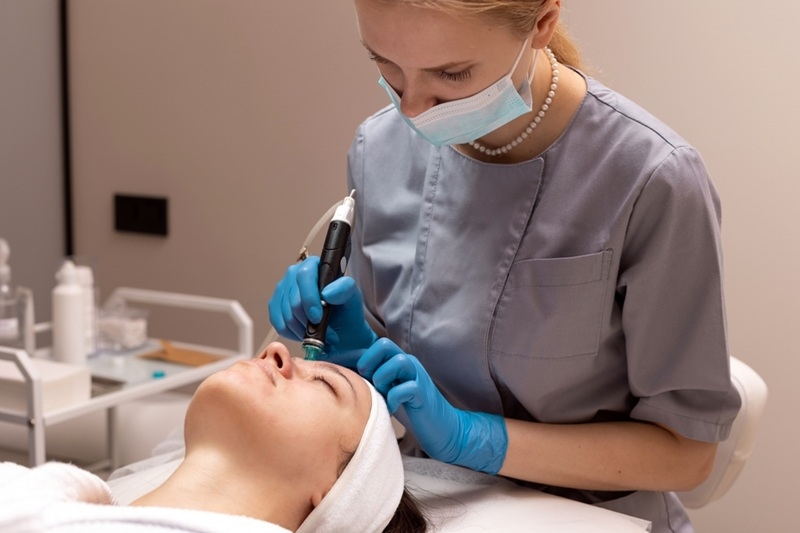
 Microneedling for face is a skin treatment that uses tiny needles to improve texture and firmness. It helps the skin build new collagen in a natural and controlled way. Many people consider microneedling for acne scars when they want smoother skin without surgery.In this blog, you will learn everything about the process of microneedling for face. It will also cover the benefits and its side effects.Must Read: Best Blue Light Therapy for Acne and Skin Care ResultsWhat is Microneedling for Face?Microneedling for face is a cosmetic procedure that focuses on skin renewal. The method is simple. A device with very fine needles creates small and controlled openings on the surface of the skin. These openings are shallow. They are not deep wounds. They are signals.When the skin senses these micro injuries, it reacts. It starts repairing itself. That repair process is where the real work happens. The body produces collagen and elastin, which are the two proteins responsible for firmness and flexibility.The session usually begins with a numbing cream. This makes the procedure comfortable. The device is then moved across the skin in a steady motion. The treatment does not involve surgery. There are no cuts and no stitches. It is direct and focused.How Microneedling for Acne Scars Works?You can check the following list to understand how microneedling for acne scars works:1. Targeted Skin StimulationThe tiny needles create controlled openings over scarred areas. This action sends a signal to the body that healing is required. The skin responds by increasing collagen production in those exact spots. Over time, shallow scars begin to look softer. The surface starts to feel more even.2. Collagen Fills Depressed AreasDepressed scars form because the support structure beneath the skin is weak. By triggering collagen growth, the treatment helps rebuild that support. The new collagen slowly lifts the base of the scar. It does not happen in one session. It builds over repeated treatments.3. Strengthening Skin Texture GraduallyAs collagen grows stronger, the overall texture improves. Scar edges begin to blend with the surrounding skin. The difference becomes less noticeable. It is a gradual shift. But with patience and proper sessions, visible improvement can be achieved.5 Top Microneedling Benefits That People Should KnowMicroneedling benefits extend beyond scar treatment. The procedure supports overall skin quality in several ways. These benefits develop over time, not overnight.1. Encourages Natural Collagen ProductionCollagen reduces as people age. This leads to fine lines and looser skin. The treatment supports natural collagen growth without surgery. Over time, the skin may feel firmer and appear smoother.2. Softens Fine LinesFine lines often appear around the eyes and mouth. By improving the underlying structure, the treatment helps soften these lines. The effect is gradual. It becomes clearer after consistent sessions.3. Improves Uneven TextureRough or uneven skin can affect overall appearance. By renewing the surface layer, the skin begins to look smoother. Texture becomes more refined with time.4. Reduces the Look of Enlarged PoresLarge pores are often more visible on oily or aging skin. Strengthening the surrounding tissue can make pores appear smaller. The overall finish looks cleaner and more balanced.5. Supports Better Skincare AbsorptionAfter treatment, the skin can absorb products more effectively. Moisturizers and serums may work better during the recovery period. This enhances hydration and supports healing.Top Pick: Cryotherapy Facial for Skin Rejuvenation: Benefits & CostHow Long Does it Take to See Results from Microneedling?You can check below to find out how long does it take to see results from microneedling:1. Early Freshness Within DaysIn the first few days, redness is common. Once that settles, the skin often looks slightly brighter. This early glow is temporary but noticeable. It is mainly due to improved circulation.2. Visible Changes After a Few WeeksCollagen takes time to form. After a few weeks, the skin may begin to feel firmer. Texture can improve. Small lines may look softer. It is similar to training in sports. Muhammad Ali did not become a world champion overnight. Consistency mattered. The same principle applies here.3. Gradual Scar Improvement Over MonthsDeeper scars require multiple sessions. Improvement continues as collagen builds. Mike Tyson became the youngest heavyweight champion through repeated training and discipline. In the same way, repeated sessions support stronger skin structure over time.What are the Side Effects of Microneedling?You can check below to learn what are the side effects of microneedling:Temporary RednessRedness is common right after the session. It may last for a few days. This is part of the natural healing process.Mild Swelling or TightnessSome individuals feel slight tightness or swelling. This usually fades quickly as the skin recovers.Light PeelingPeeling can occur as new skin forms. It is generally mild. Gentle care helps manage this stage without discomfort.Factors to Consider Before Opting for MicroneedlingBefore choosing microneedling for the face, a few important points should be considered. Planning properly helps ensure better outcomes.Current Skin HealthActive acne, infections, or open wounds should heal first. Healthy skin responds better to controlled stimulation.Medical BackgroundCertain medical conditions may require professional consultation before treatment. Being clear about medical history is important.Realistic ExpectationsThe treatment improves skin gradually. It does not create instant dramatic results. A clear understanding helps avoid disappointment.Commitment to Multiple SessionsOne session rarely delivers full improvement. Consistency is required for visible change.Post-Treatment ResponsibilityFollowing aftercare instructions is essential. Skipping care steps may affect results.Care Tips for Getting the Best Results After MicroneedlingAftercare plays a major role in recovery and results. Simple daily habits support proper healing.Cleanse GentlyYou should use a mild cleanser. Avoid scrubbing or harsh products during recovery.Maintain HydrationApply a basic moisturizer to prevent dryness. Hydrated skin heals more comfortably.Protect From Sun ExposureFreshly treated skin is sensitive. Daily sunscreen use is important.Avoid Heavy MakeupIt is essential to let the skin rest. Avoid heavy makeup for a few days.Follow Professional AdviceStick to the recommended aftercare plan. Personalized instructions ensure better healing.ConclusionMicroneedling for the face works by encouraging natural collagen growth through controlled skin stimulation. It supports smoother texture, softer lines, and gradual scar improvement. With proper sessions and careful aftercare, steady results can be achieved safely. Understanding the process helps individuals approach treatment with realistic expectations and confidence.Frequently Asked QuestionsIs microneedling good for my face?It can improve texture, soften fine lines, and support collagen production when performed correctly.How long do microneedling results last?The results can last for several months. It completely depends on your skincare routine and maintenance sessions.What are the risks of microneedling?You will notice that some of the most common risks of microneedling are temporary redness and mild swelling.

Blue Light Therapy for Acne

Best Blue Light Therapy for Acne and Skin Care Results

 Acne is one of those skin problems that doesn't really care about age. Teenagers deal with it, adults deal with it, and the constant cycle of breakouts can get frustrating. People often turn to creams, antibiotics, or expensive skin routines. But sometimes those either stop working or cause side effects that are hard to manage. That's where blue light treatment steps in.This kind of therapy isn't new-it's been studied for years-but it's only recently that more people have started using it at home and in dermatology clinics. If you've heard about blue light skin treatment or facial blue light treatment and wondered whether it actually works, this breakdown covers how it helps, what you should expect, the risks, costs, and how to decide if it's worth trying.What Exactly Is Blue Light Treatment?When the blue light therapy treatment for acne is being spoken about, people really mean a very specific section of visible light in the 400-470 nm spectrum or so. It's not UV light. In a way, blue light doesn't sit on the same side of the fence when we think of cancer risks or aging effects of tanning beds. It is rather controlled light therapy for the beauty of skin. Blue light skin treatment targets acne by killing bacteria (Cutibacterium acnes, formerly Propionibacterium acnes). These bacteria produce compounds called porphyrins, and when porphyrins are exposed to blue light, they generate free radicals that essentially kill the bacteria. That's the science behind why a blue light face treatment can actually calm down breakouts and help clear skin.Apart from killing bacteria, treatment blue light also has an anti-inflammatory effect. That means less redness, less swelling, and fewer painful pimples.Explore more: Cryotherapy Facial for Skin Rejuvenation: Benefits & CostTypes of Blue Light Treatment If you're thinking of trying blue light treatment, you've got two main options: in-office sessions with a dermatologist or home devices.1. In-Office Facial Blue Light TreatmentThe treatment is administered in a clinical setting, under the supervision of a professional.Medical-grade stronger devices are used which can ensure good results.Usually, multiple sessions are given with a few weeks apart. Protective glasses are worn during the entire treatment.This is a typical recommendation for a person with moderate acne or for those who haven't responded adequately to topical or oral medications. 2. At-Home Blue Light Face TreatmentComes in the form of handheld devices or masks.Less powerful than clinical versions but more convenient and cost-effective in the long run.Best for people with mild acne or for maintaining results after an in-office series.Both methods fall under the broader umbrella of blue light skin treatment. The difference is mainly in intensity, cost, and convenience.Benefits of Blue Light TherapyHere's why many people look into facial blue light treatment:Here are some reasons why people often consider facial blue light treatment:Non-invasive: no needles, no downtime. Targets acne at its source by killing acne-causing bacteria. Decreased inflammation: pimples look calmer; less red and swollen. No antibiotic treatments: meaning no risk of antibiotic resistance. Enhances skin tone and texture: many users have reported clearer, smoother While it's not a miracle cure, it's one of the better non-drug options available.Risks and Side EffectsLike any skin therapy, treatment blue light has a few drawbacks to keep in mind:Mild side effects such as dryness, redness, itchiness, or slight stinging.Not suitable for people with conditions like porphyria, lupus, or extreme light sensitivity.Can interact negatively if you're on certain medications that make your skin photosensitive.Results vary-some people see a big difference, while others notice only small improvements.That said, most side effects are temporary and fade quickly. Compared to harsher acne treatments, blue light skin treatment tends to be gentler and easier to tolerate.Also Check: What Are the Best Anti-Aging Skin Treatments After 40?Cost of Blue Light Skin TreatmentMoney is often a deciding factor. In dermatology clinics, a single facial blue light treatment session might cost around $40, but since you need multiple appointments, the total can run into the hundreds or even over $1,000 depending on the package.Insurance usually doesn't cover acne-related blue light treatment, so the cost is out-of-pocket.At-home devices cost more upfront-anywhere from $100 to $400-but you can use them repeatedly, which balances out over time if you're consistent.How to Choose the Best Blue Light Face TreatmentNot all devices or treatments are equal. When deciding on the best blue light face treatment or facial blue light treatment, think about:Severity of acne - Mild cases may do fine with home devices, while moderate cases may need in-office care.Device quality - Look for FDA-cleared products if you're buying for home use.Combination devices - Some combine red light with blue light. Red light penetrates deeper and helps with inflammation and healing, making the overall treatment more effective.Budget and commitment - Be realistic about how many sessions you can afford and whether you'll stick to a routine.Skin sensitivity - If you've had issues with hyperpigmentation or strong reactions in the past, consult a dermatologist before starting.Getting the Most Out of Treatment Blue LightIf you go ahead with blue light skin treatment, here are a few tips to make it more effective:Always start with clean skin-no makeup or heavy skincare products.Use protective goggles to avoid eye strain during facial blue light treatment.Stick to a consistent schedule-don't expect one session to do all the work.Pair it with a simple skincare routine: a gentle cleanser, moisturizer, and sunscreen.Avoid combining with products that make skin more light-sensitive unless cleared by a doctor.Take before-and-after photos to track real progress.Research Backing Blue Light TherapyDifferent studies highlight why blue light treatment is taken seriously:A small study showed a 64% reduction in lesions after 5 weeks of home-use therapy.Another found nearly 65% improvement in participants who had 8 in-office sessions over 4 weeks.Combination therapy with blue and red light led to up to 77% improvement in inflammatory acne.The evidence isn't massive yet-most studies are relatively small-but the trend is clear: blue light face treatment consistently reduces acne when used properly and over time.You may like: Learn the HydraFacial benefits, steps, cost, & side effectsFinal ThoughtsAcne is stubborn, and no single solution works for everyone. But if you're looking for a non-invasive, drug-free option, blue light treatment is worth considering. Both in-office and at-home approaches have their advantages.Blue light skin treatment can reduce bacteria, calm inflammation, and improve overall skin tone. While it won't cure severe acne on its own, it's a solid tool for managing mild to moderate cases, especially when combined with other dermatologist-approved treatments.For anyone tired of antibiotics or harsh topical products, a facial blue light treatment might be the shift that finally helps your skin settle down. Just keep expectations realistic, stay consistent, and remember that skin care works best when it's part of a balanced approach.