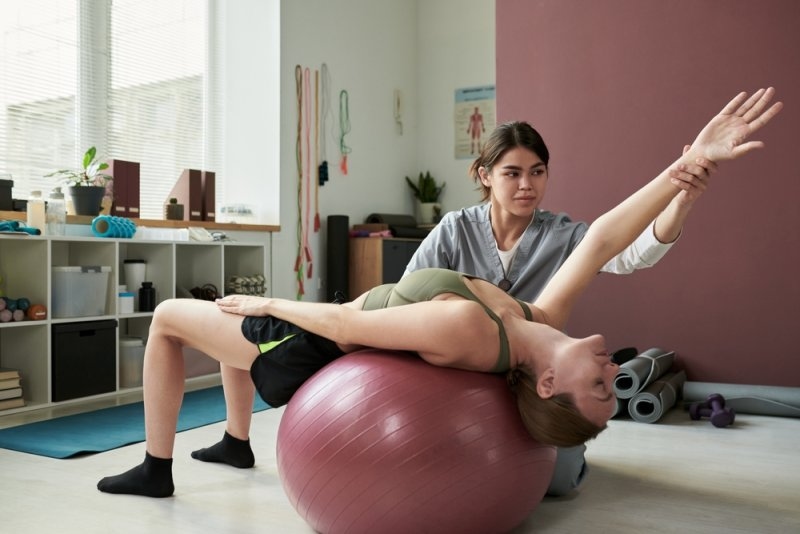
A woman performing a glute bridge workout on a yoga mat in a bright home fitness space.

Kegel Exercises for Women: Benefits and How to Do Them

Key TakeawaysKegel exercises for women aid in building strong pelvic floor muscles that have vital roles in bladder control, core stability, and good health overall.There are various advantages that one can gain from doing Kegels the right way, depending on whether you are pregnant or postpartum.It is important to know how to do Kegel exercises correctly since the success of Kegel exercises relies on contracting the correct muscles.There are many aspects involved in women's health, which can differ depending on the stage of their lives. In this regard, pelvic floor muscle strength plays an essential role in women's health. The muscles of the pelvic floor hold organs such as the bladder, uterus, and bowel; yet, these muscles may become weak due to pregnancy, childbirth, aging, or other factors.There are many exercises that can help women strengthen their pelvic floor muscles. These exercises can be practiced practically everywhere without any need for special equipment.Correctly done Kegel exercises can provide benefits for muscle control and confidence.What are Kegel Exercises?Kegel exercises are body motions where you contract and then relax the pelvic floor muscles. These muscles act as an inner support muscle group located at the base of the pelvis and aid in controlling some body processes.These exercises were invented with the aim of strengthening weak pelvic floor muscles to enhance their efficiency. Contrary to the regular physical exercises aimed at toning visible muscles, Kegel exercises are geared towards the strengthening of inner muscles, which play a significant role in women's lives.It is only upon experiencing changes like bladder incontinence and muscle weakening due to childbearing that women begin to recognize the importance of exercising these muscles.Benefits of Kegel Exercises for WomenThe benefits of kegel exercises for women extend well beyond just muscle strength. With a steady exercise routine, one will be able to improve pelvic health and benefit in various aspects throughout their life. Some of the main benefits include:Improved bladder controlBladder control is one of the best-known benefits of practicing Kegels. Strong muscles of the pelvic floor help better support one's bladder.Benefits during pregnancy and after giving birthBeing pregnant and then having a baby put a lot of strain on one's pelvic floor. Kegel exercises are helpful in preparation for such events and recovery from them.Increased strength of the pelvic musclesPelvic floor muscles work just like any other muscle. They become stronger when exercised and provide better internal support.Increased body muscle awarenessDuring practice of Kegels, one learns to notice and control certain muscles that otherwise are difficult to use.Maintenance of pelvic healthThe importance of maintaining pelvic muscles becomes more prominent as one gets older. This is another reason to opt for Kegel exercises for women.Also Check: Embracing Body Neutrality For Ever-Lasting ConfidenceHow to Do Kegel Exercises Correctly?Proper technique is the key factor in getting the desired effect through Kegels. There are many women who are making the mistake of using incorrect muscles in the process of the workout or breathing during the contraction.Do as follows:Identify pelvic floor musclesIt is necessary to understand which muscles to contract in the process of Kegels. It may be useful to pay attention to muscles that you use when you want to stop urination. This information is needed just for identifying and should not be used frequently.Choose a comfortable positionThe initial stage of the exercise may be practiced in a lying, sitting, or standing position. In all cases, it is important that the body feels relaxed and pay attention only to the pelvic muscles.Contract and releaseEngage your pelvic floor muscles for several seconds and then let go completely. Do not engage your stomach, thigh, or buttock muscles when contracting.Be consistentAs with any form of exercise, consistency counts. Practice over time is better than frequent but sporadic practice.Common Mistakes to Avoid During Kegel ExercisesWhile Kegel exercises are straightforward, incorrect execution of these exercises can make them less effective.Some common mistakes made during the process are:Breathing while contracting the musclesContracting the abdominal and thigh muscles insteadExercising too much without restingTraining while urinating all the timeThe purpose of exercising should be to make the movements controlled rather than to make use of maximum strength.Kegel Exercises for Pregnant WomenBeing pregnant results in numerous bodily changes, including increased pressure in the pelvic area due to the developing baby. Kegel exercises for pregnant women may be a useful way to keep the muscles of the pelvis strong while being pregnant.The advantages that Kegels may have during pregnancy can be as follows:Assisting pelvic muscles in adjusting to changes in the bodyPreparing muscles for the delivery processHelping recovery after giving birthIncreasing awareness of pelvic musclesWhile pregnant, ladies need to concentrate on soft movements, not excessive strain.Must Read: 5 Tips for Your Post-Pregnancy Return to FitnessAt What Age Should Women Start Doing Kegels?There is no specific age at which women need to start practicing Kegels. A number of women will be able to greatly profit from knowing how to properly perform pelvic floor exercises throughout adulthood, even if they have not faced any issues so far.In addition, women may think about introducing Kegel exercises into their daily activities during times when their body experiences some changes, such as pregnancy, childbirth, or aging. Nevertheless, what really matters is not the age but regularity and right execution.How Often Should Women Practice Kegel Exercises?Routine exercises are much better than occasional exercises. Ladies can start with fewer exercises and slowly increase them as they develop muscle strength.The approach to take into consideration should be:Consistent practiceMuscle relaxation between contractionsNot too many repetitionsCorrect breathingAll women have different bodies, and so the progress will depend on various things.Can Kegel Exercises Be Part of a Healthy Lifestyle?Performing Kegels may be an addition to other healthy practices such as exercising regularly, eating balanced foods, staying hydrated, and managing stress levels.Although pelvic floor exercises have positive effects, they are not a substitute for fitness in general. To have a healthy body requires taking care of various muscle groups. Kegel exercises can be a convenient way for women to work on a certain neglected sphere of health.ConclusionKegel exercises for women are easy but very effective in helping you strengthen your pelvic floor muscles and stay healthy. When done right, these exercises will help you retain muscle control regardless of your age and stage of pregnancy. Knowledge of performing Kegel exercises properly makes it possible for you to benefit from them.FAQsHow will a woman benefit from performing Kegel exercises?Regularly performing Kegel exercises results in the pelvic floor muscles becoming stronger and thus better suited to perform their respective duties.At what age can women start doing Kegels?Kegel exercises are not age-restricted and can be performed by women after they are grown up.Will Kegel exercises help burn belly fat?Kegel exercises for women will not cause the reduction of belly fat. Such exercises have no impact on the process of fat burning in the abdominal area and affect only pelvic floor muscles.How long does it take to see results from Kegel exercises?The time required to see results will differ among people. By using proper technique and practicing regularly, one can expect to get noticeable results within several weeks or months.Are Kegel exercises safe for every woman?Kegel exercises are considered to be safe for most women if performed properly. Women suffering from pelvic pain or other specific diseases should consult a doctor before they start exercising.

Vertigo During Pregnancy

What Causes Vertigo in Pregnancy and How to Deal With It

Picture this: you roll over in bed at 2 a.m. to grab some water, and the ceiling starts spinning. Your stomach drops, your hands grip the mattress, and for a moment, you have no idea which way is up. If this sounds familiar, you are far from alone. Vertigo catches a lot of pregnant women completely off guard, and for something so common, it does not get nearly enough attention. The good news is that understanding what is actually going on makes it a whole lot easier to deal with.What Is Vertigo During Pregnancy?Most people use vertigo and dizziness as if they mean the same thing, but there is a real difference worth knowing. Dizziness in pregnancy tends to feel like lightheadedness, that floaty, almost-going-to-faint sensation that comes and goes. Vertigo is something else entirely. It is that unmistakable spinning feeling, the kind where you are lying flat and the room is still moving. It comes from your vestibular system, the part of your inner ear that keeps your brain informed about balance and orientation. When pregnancy messes with that system, which it very much can, the spinning tends to follow.Why Your Inner Ear Takes a Hit During PregnancyPregnancy overhauls nearly everything about how your body functions, and your inner ear is not exempt. Blood volume climbs significantly, blood pressure swings up and down, and hormones surge in ways your body has genuinely never experienced before.Estrogen and progesterone are largely responsible for what happens to your vestibular system. These hormones change the fluid balance inside your inner ear, and that shift alone can throw your sense of balance off. Estrogen also affects the stability of tiny calcium crystals in your ear called otoconia. These crystals help your brain figure out which direction is up. When they loosen and drift where they should not be, a spinning episode can hit without any warning, usually triggered by something as unremarkable as rolling over or tilting your head back.Blood pressure adds its own complications. When you stand up too fast, your blood pressure sometimes cannot keep pace, and that brief drop cuts blood flow to the brain just enough to cause sudden dizziness. Vitamin D and calcium levels also tend to run low during pregnancy, which makes those inner ear crystals more unstable and raises your chances of developing BPPV.More to Discover: Ovarian Remnant Syndrome: Causes, Symptoms & PreventionVertigo During Pregnancy: Does It Change by Trimester?This is something a lot of articles gloss over, but it matters. Vertigo during pregnancy does not behave the same way from start to finish.The first trimester is typically when it hits hardest. Hormones are peaking, your vestibular system is still adjusting, and roughly 22.7% of women experience some form of vertigo during these early weeks. By the second trimester, the spinning may ease up for some women, but balance instability and subtle gait changes tend to become more noticeable as the belly grows and the center of gravity shifts forward. In the third trimester, the uterus starts pressing on blood vessels, circulation takes a hit, and fall risk climbs. Around 14.8% of women report balance instability at this stage.Common Causes of Vertigo in PregnancyThe causes of vertigo in pregnancy are more varied than most people expect. Here is a breakdown of the most common ones:BPPV: This is the most frequently diagnosed cause of vertigo during pregnancy. Those inner ear calcium crystals shift out of place, often due to extended bed rest or low Vitamin D and calcium levels, and the result is brief but intense spinning episodes triggered by head movement.Meniere's Disease: Women who already have this condition often find it gets worse in early pregnancy. Fluid retention lowers the body's serum osmolality, which triggers more frequent vertigo attacks, along with ear ringing and temporary hearing shifts.Vestibular Migraine: Pregnancy hormones are a well-known migraine trigger. When a migraine targets the vestibular system, you get the spinning along with the headache, usually paired with sensitivity to light and sound.Anemia: Low iron means less oxygen reaching your brain. The resulting lightheadedness and fatigue can feel a lot like vertigo, and it is easy to confuse the two.Dehydration and blood sugar dips: Genuinely common in pregnancy and genuinely overlooked. When you are not eating or drinking enough, dizziness in pregnancy follows almost predictably.Postural shifts: Your center of gravity moves forward as your belly grows. Your body is constantly recalibrating for that, and the balance disruption is more significant than most women anticipate.How to Manage Vertigo in Pregnancy Day to DayLearning how to manage vertigo in pregnancy rarely requires starting with medication. Most of what works is surprisingly practical.Take position changes slowly. Rolling out of bed too fast is one of the most reliable triggers. Sit up first, give yourself a beat, then stand. It sounds minor, but it makes a real difference.Stay on top of hydration. Eight to ten glasses of water a day is the target. Dehydration sneaks up on you during pregnancy, and it consistently makes dizziness worse.Eat smaller meals throughout the day. Keeping blood sugar stable matters more than most people realize. Pairing a protein with a carb each time you eat goes a long way toward preventing those mid-afternoon dizzy spells.Look into vestibular rehabilitation. A physical therapist who specializes in vestibular disorders can walk you through exercises that help retrain your balance system. These are safe during pregnancy and particularly effective when BPPV is the culprit.Ask your healthcare provider about the Epley Maneuver. If BPPV is confirmed, this repositioning technique moves the displaced crystals back where they belong. It often resolves symptoms in a single session.Check your Vitamin D levels. Low Vitamin D is directly tied to BPPV risk during pregnancy. Supplementing with D3 under your doctor's guidance is often recommended, especially heading into the second and third trimesters.Reduce salt and caffeine if Meniere's disease is part of the picture. Managing fluid retention through diet helps keep episodes less frequent.Staying on top of your prenatal labs makes a genuine difference here. A platform like DrGPTmd.com analyzes your medical reports using AI and flags nutritional gaps, like low Vitamin D or calcium, that are directly tied to vertigo risk. It is a practical way to catch things early rather than waiting until symptoms are already affecting your day.Meclizine is considered relatively safe at low doses during pregnancy when prescribed, but confirm anything with your OB-GYN before taking it.When to Stop Managing It at HomeMost of the time, vertigo during pregnancy is frustrating but not dangerous. That said, some symptoms need prompt medical attention. Call your provider if spinning episodes come with severe headaches, blurred vision, chest pain, difficulty breathing, or fainting. Together, those symptoms can point to preeclampsia or other conditions that have nothing to do with your inner ear. If vertigo is making it hard to walk safely or is happening multiple times a day, bring that up at your next visit and ask specifically about a vestibular evaluation.Must Read: Balancing Hormones: Discovering Foods High In EstrogenConclusionVertigo in pregnancy is one of those symptoms that tends to get dismissed as just another discomfort to push through. But it is worth taking seriously, both for your safety and your quality of life. Most cases have a clear cause, a manageable treatment, and a good outcome with the right support. Pay attention to your body, keep your prenatal team in the loop, and do not wait until symptoms are interfering with your daily routine to ask for help. You and your baby deserve proper care at every stage.Frequently Asked QuestionsIs vertigo a symptom of preeclampsia?Vertigo by itself is not a defining sign of preeclampsia. But dizziness paired with severe headaches, sudden swelling, or vision changes is worth taking seriously. If those symptoms show up together, contact your healthcare provider right away rather than waiting it out.Can pregnancy hormones cause vertigo?Yes, and quite directly. Estrogen and progesterone alter the fluid balance inside your inner ear and affect the stability of the calcium crystals your brain relies on for balance signals. This hormonal disruption is one of the main reasons dizziness in pregnancy is so widespread, particularly during the first trimester.When should I worry about vertigo during pregnancy?Start paying closer attention if episodes are getting more frequent, lasting longer, or come with hearing loss, ringing in the ears, vision changes, or fainting. Those patterns suggest something that needs a proper diagnosis rather than home remedies alone.

Woman holding her lower abdomen, highlighting pelvic pain with a medical overlay.

Ovarian Remnant Syndrome: Causes, Symptoms & Prevention

Having an oophorectomy is usually a choice that people make to stop feeling chronic pain. For some women, the problems they wanted to get rid of come back soon after the surgery. This happens because of something called Remnant Syndrome or ORS. What happens is that a small piece of the ovary is accidentally left inside the area. This little piece of the ovary is still there. Can react to hormones, which can cause a lot of discomfort. In this article, we will talk about what ovarian remnant syndrome is, how rare it is, what the symptoms are, what kind of problems it can cause, and how to prevent ovarian remnant syndrome from happening.What is Ovarian Remnant Syndrome?Ovarian remnant syndrome is a problem that can happen after surgery. It occurs when some ovarian tissue is left behind after the doctor takes out one or both ovaries. Ovarian remnant syndrome is a deal because even a tiny piece of ovarian remnant syndrome tissue can start to work on its own. This leftover ovarian remnant syndrome tissue can even get its blood supply. The Ovarian Remnant Syndrome tissue can make hormones. Develop cysts. Due to this, some women also get irregular periods, and if this random period continues for a long time, it requires a doctor's consultation. Sometimes, the ovarian remnant syndrome tissue will even try to release an egg.There are several factors contributing to this surgical oversight:Surgical Adhesions: Previous surgeries or infections make tissue stick together. This scar tissue sticks the ovary to the wall.Endometriosis: It makes attachments. These attachments make it hard for a surgeon to see where the ovary starts and ends.Anatomic Distortion: Long-term inflammation can move organs. This movement hides parts of the tissue. The ovary gets hidden because of this. Inflammation changes where things are, in the pelvis.How Rare is Ovarian Remnant Syndrome?Ovarian remnant syndrome is not something that happens every day. It is a known risk when you have pelvic surgery. How often ovarian remnant syndrome happens usually depends on how complicated the patients' medical histories are. For a woman who has never had any inflammation, the chance of getting remnant syndrome is really very low.The following scenarios increase the frequency of this condition:History of Endometriosis: This is a risk factor for endometriosis. Most cases of remnant syndrome (ORS) happen in women who have had severe endometriosis. Endometriosis plays a major role in ovarian remnants.Pelvic Inflammatory Disease: Past infections can cause adhesions. These adhesions can trap pieces of the ovary.Laparoscopic Challenges: Minimally invasive surgery is sometimes used. It can make it hard to find ovarian remnants. Open surgery can make it easier to spot them.Ovarian Remnant Syndrome SymptomsThe main sign of remnant syndrome is when the pelvic pain comes back after an oophorectomy. This happens because the tissue is still alive and working. So the symptoms usually happen at the time, as a regular period does. Moreover, one should also take genuine care of their menstrual cycle.Common symptoms that women should keep an eye on include:Cyclical Pelvic PainThis is the common symptom people report. The pain can be constant. Come and go at certain times. It happens because the leftover tissue gets swollen or tries to release an egg into a space where it cannot reach the uterus. The pain is usually caused by this swelling or the tissue trying to release an egg.Pelvic Mass and PressureAs the remnant grows, it can form a lump. This lump can press on important systems. That can cause pain when you have sex or make it hard to go to the bathroom. The remnant pressing on the systems can also lead to problems with bowel movements. It can make sex uncomfortable. Bowel movements are painful.Absence of Menopausal SymptomsNormally, when both ovaries are removed, menopause starts right away. If a woman does not have flashes or night sweats without taking hormone replacement, it could mean that a small part of the ovary is still making estrogen.Is Ovarian Remnant Syndrome Dangerous?ORS is usually not cancerous. That does not mean we should ignore it. The problem with ORS is that it can get in the way of how organs in the pelvic area work. If we do not treat the tissue, it can cause health problems that last a long time, and that is a concern with ORS. The health risks of ORS can be serious if we do not take care of it. It is even more important to use correct and hygienic period products to avoid an infection. Potential complications include the following:Ureteral Obstruction: A cyst that forms can press on the ureter, which is the tube that carries urine to the bladder. This can cause damage to the kidneys.Endometriosis Growth: If someone had surgery to remove endometriosis, a remnant can still provide the estrogen that the disease needs to keep growing.Malignancy Risk: There is a chance that any ovarian tissue that is left in the body can turn into cancer over timeHow to Prevent Ovarian Remnant Syndrome?The doctors and nurses who do the operation are the ones who have to make sure everything is done correctly to prevent any problems. The surgeons have to be very careful, especially when they are operating on people who have a lot of scars and are more likely to have complications.Effective prevention strategies include:Expert Surgeon Selection: When it comes to pelvic cases, choosing a surgeon with a lot of experience in this area can really make a difference and lower the risks.Ureteral Stents: Before the surgery, the surgeon may put in stents to clearly see where the ureters are, which makes it safer to remove tissue.Peritoneal Stripping: For cases that are considered risky, the surgeon might decide to remove the lining of the pelvis where the ovary was attached. This is done to make sure no cells are left behind.ConclusionOvarian remnant syndrome is a condition to deal with. It is not common. It can cause a lot of pain and emotional problems for women. To get help, you need to know what the symptoms are like, such as feeling pain that comes and goes and not having the changes that happen when you go through menopause.When you see doctors who specialize in this and use the imaging tools, they can remove the leftover tissue safely. If you get the treatment for ovarian remnant syndrome, women can finally feel better and not have to deal with ongoing pelvic pain and hormone problems.FAQs Can Ovarian Remnant Syndrome Cause A Positive Pregnancy Test?Ovarian remnant syndrome is not going to cause a pregnancy test. This is because ovarian remnant syndrome does not make the chorionic gonadotropin hormone that you need to have a positive test result. The tissue that is left over from remnant syndrome can make estrogen and progesterone. These can make you feel like you are pregnant, like your breasts are tender. Ovarian remnant syndrome cannot make the special hormone that pregnancy tests are looking for.Does the use of HRT Affect the Diagnosis of this Syndrome?Hormone replacement therapy can make it harder to diagnose remnant syndrome. This is because it masks the body's natural hormone signals. Doctors usually ask patients to stop hormone replacement therapy for a while. This is to check if follicle-stimulating hormone levels stay low. If they do, it means an ovarian remnant is making its estrogen. If patients keep taking hormone replacement therapy during testing, the results may not be clear. This can delay surgery to treat remnant syndrome.Can A Remnant Be Treated With Medication Instead Of Surgery?While medications like GnRH agonists can temporarily shrink the remnant tissue and suppress hormone production to alleviate pain, they are generally not a permanent cure. Most experts recommend surgical excision as the definitive treatment for ovarian remnant syndrome, as symptoms usually return once the medication is stopped, and the risk of future complications like cysts remains.

dropper

Hyaluronic Acid Skincare Guide: Benefits, Uses & Tips

 If there's one ingredient that deserves all the attention it gets, it's hyaluronic acid. Unlike short-lived skincare trends, this one actually lives up to the hype. Why? Because it's already a part of your body, present in your skin, eyes, and joints. What makes it so powerful is its ability to hold up to 1,000 times its weight in water. That's why adding it to your routine can instantly change how your skin looks and feels.This isn't just about looking dewy. To understand why it works, we'll cover exactly what does hyaluronic acid do, the real hyaluronic acid benefits, the best hyaluronic acid serum picks, how to use hyaluronic acid properly, when to use hyaluronic acid serum, and whether you can use hyaluronic acid with retinol without ruining your skin barrier.What Does Hyaluronic Acid Do?So, why is hyaluronic acid so prized? In simple words, think of it as a water magnet. When applied on your face, it attracts moisture into the cells, keeping them hydrated and plump. When your skin becomes hydrated, it looks taut, soft, and less lined. It also serves another fantastic purpose within the human body. This molecule acts as a shock absorber in your joints, keeps your eyes moist, and enables faster wound healing. But, of course, the number one thing for skin is the hydration process.Inside your body, it plays an equally important role. It cushions joints, keeps your eyes lubricated, and even helps wounds heal faster. But for skincare, the main reason it's a game-changer is hydration. The science is simple-hydrated skin ages slower and handles daily stress better.When you see "hydrating," "plumping," or "glow-boosting" written on a product, there's a good chance hyaluronic acid is behind it. That's what it does best.Must Read: Tips for Choosing the Perfect Face Wash for Your Skin TypeHyaluronic Acid Benefits That Actually MatterThere is a lengthy catalog of benefits portraying hyaluronic acid; however, not all are equally important. But the benefits that would greatly contribute to your skin care routine consist of the following:Deep hydration: It binds water and locks it into your skin.Smoother skin texture: Fine lines soften, and rough patches fade with consistent use.Stronger skin barrier: It helps your skin hold onto moisture, making it more resistant to pollution, sun, and irritation.Healing support: It speeds up recovery when your skin is damaged or inflamed.Hyaluronic acid works beyond personal beautification. It relieves joint pain via injections, cures dry eyes, and promotes wound healing. However, the hydration and plumping effect are what make it an essential part of any good skincare routine. Uses of Hyaluronic Acid for SkinUses of hyaluronic acid for skin are much more than one product. The places where you will usually find it include: Serums: The most effective form for skincare. Lightweight and easy to layer.Moisturizers: Often combined with other ingredients to lock in hydration.Fillers: Injectable HA is used to add volume, smooth lines, and contour the face.Supplements: Some people take oral HA, though the results are slower and less visible.The truth is, no matter how you use it, the uses of hyaluronic acid for skin always deliver one key result: hydration. That's its core job, and it does it well.Best Hyaluronic Acid Serum PicksChoosing the best hyaluronic acid serum isn't about the fanciest packaging-it's about finding the one that works with your skin type. A few tried-and-true options include:The Ordinary Hyaluronic Acid 2% + B5: Affordable, no-frills, and effective.Neutrogena Hydro Boost Serum: Lightweight, perfect for oily or combination skin.La Roche-Posay Hyalu B5 Serum: HA with added B5 for barrier repair.SkinCeuticals HA Intensifier: Expensive but delivers firmer, plumper skin.The best hyaluronic acid serum isn't always the priciest-it's the one you'll actually use daily. Even the simplest formula will give visible results if you're consistent.You may also like: DIY Homemade Face Cleanser Recipes for Beautiful SkinHow to Use Hyaluronic Acid Without Wasting ItLearning how to use hyaluronic acid the right way matters. Most people apply it wrong and then say it doesn't work. Here's how to do it properly:Start with clean skin.Apply it on slightly damp skin, not bone dry. This makes a big difference.Use a serum first, then layer a moisturizer over it to seal hydration in.If it's morning, don't forget sunscreen.That's all it takes. The main mistake people make is skipping the moisturizer step. Without it, HA can pull moisture out instead of pulling it in. Once you know how to use hyaluronic acid correctly, the results show up fast.Can You Use Hyaluronic Acid with Retinol?The short answer to can you use hyaluronic acid with retinol is yes-and you should. Retinol is great for boosting cell turnover and reducing wrinkles, but it can be drying. Hyaluronic acid balances that out with hydration.The best routine looks like this:Apply hyaluronic acid serum first.Layer retinol on top.Follow with moisturizer.Some people even do a "sandwich method," using HA before and after retinol for extra protection. So if you've been nervous about dryness or irritation, remember that you can use hyaluronic acid with retinol to make retinol easier on your skin.When to Use Hyaluronic Acid SerumKnowing when to use hyaluronic acid serum makes it more effective. The best times are:Morning: Keeps your skin hydrated under makeup and protects against daily stress.Night: Helps repair and rehydrate while you sleep.After cleansing: Always apply it before moisturizer, when skin is clean and damp.Consistency is key. If you're still unsure when to use hyaluronic acid serum, the simple answer is twice daily, once in the morning and once at night.More to Discover: Aloe Vera Gel Uses: A Miracle Plant for Health and BeautyFinal TakeawayHyaluronic acid isn't just another skincare product-it's an essential. To break it down:What does hyaluronic acid do? It hydrates, plumps, and protects your skin barrier.Hyaluronic acid benefits? Better hydration, smoother texture, and stronger skin health.Uses of hyaluronic acid for skin? From serums to fillers, it hydrates in every form.Best hyaluronic acid serum? The one that fits your skin type and budget.How to use hyaluronic acid? Damp skin, serum first, moisturizer after.Can you use hyaluronic acid with retinol? Yes, together, they're a power duo.When to use hyaluronic acid serum? Morning and night, daily.If your skincare routine is missing hydration, this is the one ingredient you need to add. It works, it's safe, and it makes a visible difference.

Woman's face pulling on the skin of the double chin

How to Get Rid of Double Chin with Exercises and Diet

 People of all ages and body weights are concerned by the appearance of a double chin. This may develop from excess fat, loose skin, or genetics. Surgery is an option, but if you do it, you will not achieve a double chin in time; however, it may be possible to bring down a double chin with natural methods including facial exercises, changes in diet, and lifestyle habits. How do I get rid of a double chin naturally? This guide will give you effective double chin exercises, dietary tips, and lifestyle habits to help tone your jawline.Understanding the Causes of a Double ChinWhen an extra layer of fat accumulates beneath the chin, a double chin is formed. Multiple reasons for this can occur, such as weight gain, aging, poor posture, or even possibly genetic.Similarly, fat growing in the chin makes weight gain more apparent due to the fat that is under the chin. In addition, it can also weaken neck and chin muscles, resulting in slackening of the latter over time.Best Double Chin Exercises for a Slimmer FaceStrengthening and toning of muscles in the chin and neck is also possible using facial exercises also called face yoga for double chin. Moreover, these exercises help in reducing fat and also improve blood circulation and skin elasticity.1. The Chin Lift ExerciseDouble chin reduction can be done through chin lift, an effective chin exercise. It will hit your neck and jaw muscles to tone and tighten the area. For this exercise tilt your head back and look at the ceiling. Kiss the ceiling as if you want, pucker your lips, and hold for a few seconds before relaxing the hips.2. Jaw Jut ExerciseAnother powerful double chin workout that helps in working out the muscles of the jawline and neck is exercising the jaw jutting. Tilt your head back a little and stick your lower jaw out just enough so the stretch at the front of your chin tugs a little. Slowly, hold for a few seconds, and then relax. 3. Tongue Press ExerciseIt is one of the best face and double chin exercises that help tighten muscles under the chin. It is a matter of pressing your tongue firmly against the roof of your mouth and tilting your head back slightly. Hold for a couple of seconds and release.4. Neck Stretch ExerciseSkin on the neck can increase elasticity and also tone the jawline if the neck muscles are stretched. Close your mouth and lift your head looking towards the ceiling and pressing your tongue against the roof of your mouth.5. The Chewing Gum TechniqueChewing gum is simply a habit, but that habit engages your mouth and one of your chins. Use sugar-free gum for extra calories but to get additional benefits of jaw muscle movement. Chewing keeps the muscles active, preventing sagging and giving a definition.Face Yoga for Double Chin ReductionThe best natural way to shape up and sculpt the jawline is with face yoga for double chin. How these exercises work is to stimulate blood flow, and muscle strength around the chin and neck area. Face yoga is different from regular workout in the sense that it involves slow and slow movements to effectively engage the facial muscles.The 'Fish Face' pose is one of a few effective face yoga poses and involves sucking in your cheeks and holding for a few seconds. A further great technique is the 'Lion's Breath' - sticking your tongue out and exhaling very deeply to stretch out the chin and neck muscles. This may help lift the sagging skin and give your jawline a better definition over time.Dietary Tips to Reduce Double ChinTo lose the double chin, the diet is equally important as exercise because it helps in strengthening muscles. Overall weight gain can be associated with excess accumulation of fat under the chin.1. Reduce Caloric IntakeA diet consisting of whole foods and low-processed foods can reduce fat storage in your body including under the chin. Eat nutrient-dense meals focused on lean proteins, whole grains along vegetables. 2. Stay HydratedSkin elasticity and flushing out toxins require plenty of water to be done. A double chin will appear more evident when the skin is dehydrated and looks saggy and loose. Drink at least eight glasses of water per day so your skin is firm and hydrated.3. Incorporate Fat-Burning FoodsFoods that can increase metabolism and help in losing weight are used. Reducing excess fat, including the fat under your chin can be helped by green tea, citrus fruits, and foods loaded with omega-3 fatty acids like salmon and nuts.4. Reduce Sodium IntakeSodium will also cause your face to look puffy and your double chin to stand out more as it holds water. Therefore, cutting down on snacks containing salt and processed foods will help reduce bloating and give you a slimmer face appearance.5. Consume More FiberEating the fiber in fruits, vegetables, and whole grains will help with weight control and fat reduction. Fiber ensures that you're full for a more prolonged period, preventing you from being hungry to the point of eating when you are not hungry, which leads to overeating and unnecessary weight gain causing a double chin.Lifestyle Changes to Prevent a Double ChinAside from exercises and diet, if you make lifestyle changes will help you prevent choosing a double chin and keep your face firm.1. Improve Your PostureTime wear and tear from the natural aging process can result in poor posture and weak muscles in the neck and chin area and then lead to sagging skin over time. Sitting and standing with a straight posture allows you to keep your jawline firm.2. Get Enough SleepWeight gain and poor skin elasticity can derive from lack of sleep. Good sleep ideally consists of seven to eight hours a night. Proper rest enables your body to heal, repair your skin, and maintain healthy skin reducing fat accumulation and sagging skin.3. Regular Physical ActivityRegular workouts with cardio and strength training will eventually shed overall weight and in return reduce fat under the chin. Toning the body and keeping your skin firm is associated with brisk walking, cycling, and yoga.4. Avoid Excessive Alcohol and SmokingSo after all that, alcohol and smoking can affect the way your skin looks and its health as well: you may end up with premature aging and sagging from both. It will help your skin become more elastic and prevent a double chin from growing.5. Use Skincare Products for FirmingTightening the skin around your chin and neck comes in the form of applying firming creams or facial massages with oils. To improve skin firmness, look for products with boosters of collagen, for example, retinol and hyaluronic acid.Final ThoughtsTo get rid of a double chin, there is no compromise - you are going to have to be consistent and have patience. If you practice daily double chin exercises, eat healthily, and other small lifestyle adjustments, you will gradually develop a tone and definition of the jawline. Combining face and double chin exercises with face yoga for double chin and proper nutrition and hydration is what can stimulate the face and double chin muscles as well as aid the loss of fat. To keep your skin the way it always was, instead of choosing surgical methods, it would be healthier to use these natural methods and get long-lasting results.WordsCharactersReading time